
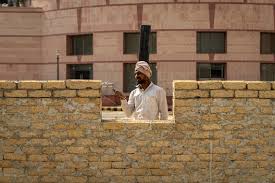
June 27 — In a landmark achievement for sustainable construction in India, the country’s first school made entirely from bricks developed using sugarcane waste has been inaugurated in Noida, Uttar Pradesh. The eco-friendly school marks a significant step forward in green architecture and environmental innovation.
The school, constructed using agri-waste bricks derived from sugarcane byproducts, aims to promote eco-conscious learning while reducing carbon emissions associated with traditional construction methods. These bricks, made without the high-temperature firing process, provide strong insulation and are entirely biodegradable.
According to officials associated with the project, the initiative is a collaborative effort involving sustainable construction experts, local authorities, and education-focused NGOs. The goal was to build an energy-efficient, low-carbon educational facility using locally available materials while promoting a circular economy model.
“This school is not just a place for learning, but also an example of how sustainable practices can be seamlessly integrated into infrastructure,” said a spokesperson from the construction team.
The school has been equipped with solar panels, rainwater harvesting systems, composting units, and naturally ventilated classrooms. The structure is designed to minimize the use of artificial energy sources, making it a model for sustainable educational institutions across India.
Environmental experts say this project opens the door to wider adoption of green construction techniques using agricultural waste, particularly in sugarcane-producing states such as Maharashtra, Tamil Nadu, and Karnataka.
Union Environment Minister Bhupender Yadav lauded the initiative, stating, “This is a milestone in our mission to build climate-resilient infrastructure. It reflects our commitment to environmental sustainability and innovative development.”
Education officials confirmed that sustainability will be embedded into the school curriculum, encouraging students to participate in environmental conservation activities and develop awareness about climate change, renewable energy, and waste management.
The project has drawn national attention and is being considered a pilot for similar schools under the Green School Programme and Swachh Bharat Abhiyan. Stakeholders are hopeful that such innovative solutions will contribute to reducing construction-related pollution and promoting sustainable living.
India, one of the world’s largest producers of sugarcane, generates vast quantities of agricultural residue annually. Utilizing this waste for construction purposes not only addresses environmental concerns but also supports rural economies by creating jobs and reducing stubble burning.
With the successful completion of the Noida school, experts believe that the concept could revolutionize how educational infrastructure is built in India, prioritizing environmental responsibility alongside functionality and affordability.

