
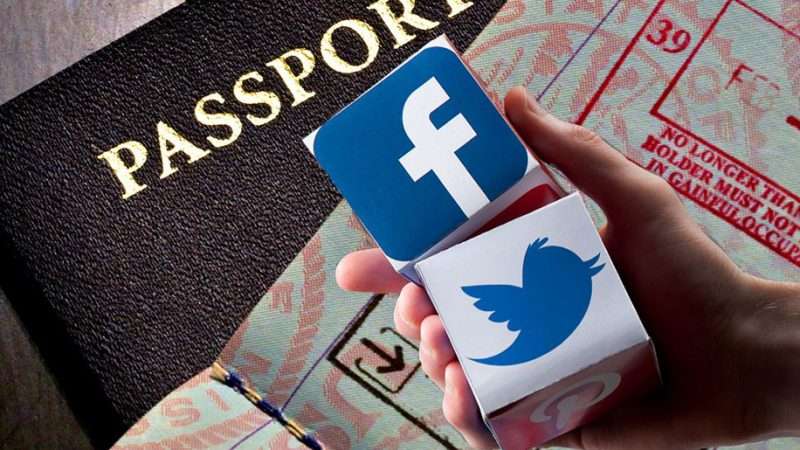
In a major policy update, the United States has made it mandatory for all visa applicants to submit their social media handles from the past five years. The directive, aimed at strengthening national security and improving the background verification process, applies to both immigrant and non-immigrant visa seekers.
The U.S. Department of State has stated that this rule is part of a broader effort to ensure the integrity of visa processing by scrutinizing applicants’ online activity. Platforms such as Facebook, Instagram, X (formerly Twitter), LinkedIn, YouTube, TikTok, and others are included under this requirement.
Previously, social media checks were reserved for individuals identified for additional scrutiny. However, this rule—originally introduced in 2019 under the Trump administration—has now been expanded to cover nearly all visa applicants. An estimated 15 million people applying for U.S. visas each year will be affected.
A spokesperson from the U.S. State Department explained, “This measure enhances our ability to detect threats and verify identities, while still supporting legitimate travel to the United States.”
Immigration experts believe this move could lead to longer processing times. Applicants are advised to ensure that the information in their applications matches their digital activity, as any inconsistencies could raise red flags.
However, the decision has drawn criticism from privacy advocates and civil rights groups. Organizations like the American Civil Liberties Union (ACLU) argue that the policy may infringe upon freedom of expression and privacy rights. “Monitoring social media on such a wide scale risks encouraging self-censorship and arbitrary denials,” said an ACLU spokesperson.
Despite these concerns, U.S. officials clarified that applicants are only required to provide their public handles or usernames—not passwords—and that the data will be stored and reviewed securely.
As global travel continues to rise post-pandemic, this development marks a significant shift in how digital identity is factored into cross-border movement. While intended to enhance safety, it may also increase scrutiny for travelers around the world.

