
June 30,2025:
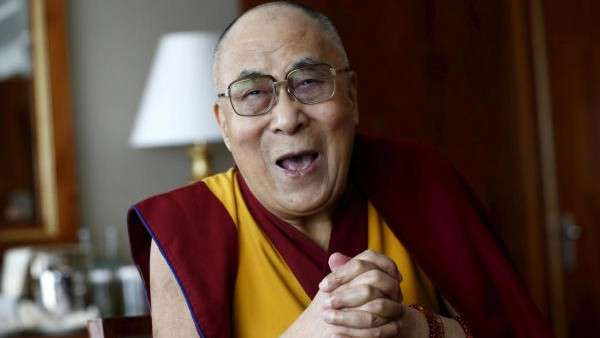
Tibetan spiritual leader the 14th Dalai Lama is expected to announce his long-awaited succession plan soon, a development that could have significant religious and geopolitical consequences. The announcement is being closely monitored by China, which insists it holds the sole authority to choose the next Dalai Lama.
The 88-year-old Dalai Lama, who has lived in exile in India since fleeing Tibet in 1959 after a failed uprising against Chinese rule, has for years indicated that his reincarnation should be determined according to Tibetan Buddhist traditions—not by the Chinese state. The upcoming announcement is likely to include details on the selection process for his successor, which may involve recognition from the Tibetan religious community outside Chinese jurisdiction.
China, however, continues to assert its claim over the reincarnation process through a centuries-old practice known as the Golden Urn system. Beijing maintains that all reincarnations of Tibetan lamas, including the Dalai Lama, must be approved by the central government. The Chinese Communist Party has labeled the Dalai Lama a “separatist” and has already declared it will appoint a successor who aligns with state policies.
Tibetan leaders in exile have denounced China’s stance, stating that religious freedom is at stake. “The reincarnation of His Holiness is a spiritual matter and must remain free from political interference,” said Penpa Tsering, President of the Central Tibetan Administration (CTA), which is based in Dharamshala. He emphasized that the Dalai Lama alone has the spiritual authority to determine his successor.
The issue has also drawn international attention. The United States has affirmed support for the Dalai Lama’s right to decide his reincarnation. The Tibetan Policy and Support Act, passed by the U.S. Congress in 2020, warns of sanctions against Chinese officials who interfere in the reincarnation process.
In previous interviews, the Dalai Lama has suggested the possibility that his successor could be born outside Tibet, or even be a woman. He has also floated the idea of selecting the next Dalai Lama while he is still alive, a move that would directly challenge China’s claims.
Analysts say the succession dispute could strain China’s relations with India and the West. India has hosted the Dalai Lama and the Tibetan government-in-exile since 1960, and any developments around his succession are likely to reverberate across the region.
As the world awaits the official announcement, the decades-long conflict over Tibetan autonomy is once again in the spotlight, with religious authority, political influence, and international diplomacy all at play.

