
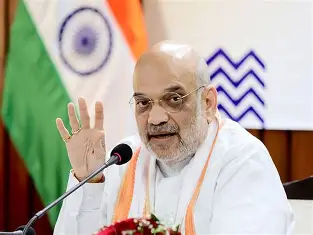
In a landmark move for India’s cooperative sector, Union Home and Cooperation Minister Amit Shah is set to lay the foundation stone for the country’s first cooperative university in Gujarat. Scheduled for July 6, 2025, in Gandhinagar, this historic initiative aims to revolutionize cooperative education and capacity building across India.
The proposed cooperative university will be established under the Ministry of Cooperation, which was created in 2021 to strengthen the cooperative movement in the country. The university is being developed by the National Cooperative Union of India (NCUI) and is expected to offer specialized courses on cooperative management, governance, law, finance, and rural development.
According to officials, the university will function as a centre of excellence, fostering research, innovation, and education in the cooperative sector. It aims to bridge the knowledge gap in cooperative administration and provide technical and managerial skills to professionals and grassroots members alike. The curriculum will blend theoretical and practical learning with a strong emphasis on real-world cooperative challenges.
Union Minister Amit Shah has consistently advocated for the modernization and professionalization of the cooperative sector. During previous events, he has emphasized that cooperatives are essential to ensuring equitable growth, especially in rural India. This university, he asserts, will play a key role in nurturing future cooperative leaders who can bring innovation and sustainability to the movement.
The location in Gujarat, Shah’s home state and a hub for several successful cooperative models such as Amul, is considered strategically significant. The state has a rich legacy of cooperative initiatives that have empowered farmers, milk producers, and artisans through collective effort and decentralized governance.
The university will offer undergraduate, postgraduate, diploma, and certificate courses, and plans are in place to collaborate with international institutions specializing in cooperative education. It is also expected to host seminars, workshops, and training programs for cooperative boards and executives across India.
Experts believe this move will help formalize and standardize cooperative education, which has so far remained fragmented. With the Digital India campaign and expanding rural connectivity, the university also aims to introduce online learning platforms to reach students and practitioners in remote areas.

