
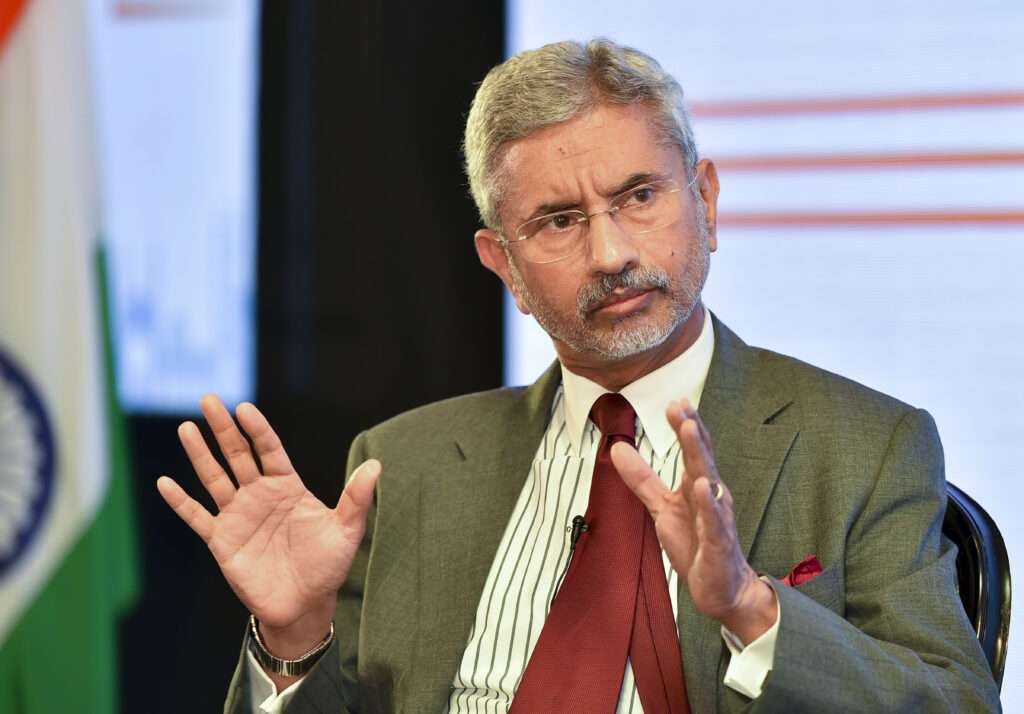
External Affairs Minister S. Jaishankar is expected to travel to China later this month to attend the Shanghai Cooperation Organisation (SCO) foreign ministers’ meeting, a move that could open new avenues for high-level engagement between India and China amid ongoing border tensions.
According to official sources, the upcoming visit holds significance as it may pave the way for a parallel diplomatic interaction between National Security Advisor (NSA) Ajit Doval and Chinese Foreign Minister Wang Yi. The two leaders are reportedly preparing to resume the Special Representatives (SR) dialogue mechanism focused on resolving the protracted boundary dispute between the two nations.
The SR dialogue, which has been dormant for over a year due to strained bilateral ties, is a key channel for strategic-level discussions on the India-China border issue. Wang Yi’s potential visit to India would mark the first high-level diplomatic engagement under this framework since tensions flared in eastern Ladakh in 2020.
Jaishankar’s participation in the SCO meeting underscores India’s continued commitment to regional multilateralism, even as it remains cautious of Beijing’s geopolitical ambitions. The SCO, which includes India, China, Russia, Pakistan, and several Central Asian countries, provides a platform for dialogue on regional security, counterterrorism, and economic cooperation.
Diplomatic watchers view the timing of these engagements as noteworthy. With both India and China eyeing greater stability in their bilateral ties, especially in the wake of heightened military deployments along the Line of Actual Control (LAC), the revival of direct high-level talks may offer a chance to reduce friction and promote confidence-building measures.
However, officials remain guarded about the outcome. “We are looking at dialogue as the way forward, but there are no expectations of a breakthrough without substantive commitment from the Chinese side,” a senior official familiar with the developments noted.
India has consistently maintained that full disengagement and de-escalation along the LAC are prerequisites for the normalization of ties. Several rounds of military and diplomatic talks have yielded partial disengagement in specific friction points, but key areas remain unresolved.
Wang Yi’s expected arrival in New Delhi later this month could signal a renewed willingness from Beijing to engage in meaningful dialogue. His visit, if confirmed, would follow Jaishankar’s call for mutual respect and sensitivity during his previous interactions with the Chinese leadership.
Experts believe that the reopening of the SR dialogue channel is critical to breaking the deadlock. “The Special Representatives mechanism has historically allowed both countries to explore long-term solutions beyond tactical military talks. Its revival could help in setting a positive trajectory for bilateral relations,” said an expert on Indo-China affairs.
As the geopolitical climate in Asia continues to evolve with developments in the Indo-Pacific, Taiwan, and Central Asia, India and China may find it strategically necessary to manage tensions and prevent miscalculations.
The coming weeks will be crucial in determining whether the proposed diplomatic engagements can lead to tangible progress or remain symbolic gestures in an otherwise fraught relationship.

