
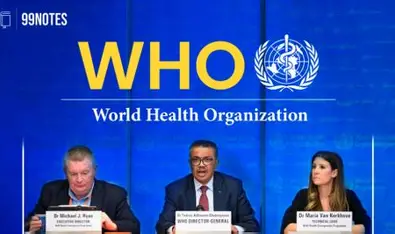
In a major push to combat rising rates of non-communicable diseases (NCDs) worldwide, the World Health Organization (WHO) has urged countries to significantly increase taxes on sugary beverages, alcohol, and tobacco products. In its latest report released on July 5, 2025, the global health body recommended a minimum 50% price hike on these harmful products, calling it a vital measure to protect public health and reduce healthcare burdens.
The WHO’s proposal is grounded in extensive research showing that consumption of sugary drinks, alcohol, and tobacco is directly linked to a surge in chronic diseases, including diabetes, heart disease, cancer, and respiratory illnesses. According to the report, more than 41 million people die each year from NCDs, representing 74% of all global deaths.
Dr. Ruediger Krech, WHO Director of Health Promotion, emphasized that taxation is one of the most effective yet underutilized tools to influence public behavior. “Taxing unhealthy products is a win-win solution,” he said. “It not only reduces consumption and prevents disease but also generates significant revenue that governments can reinvest into healthcare systems.”
The WHO highlighted the stark disparity in how countries approach taxation of harmful products. While 136 nations impose tobacco taxes, only 108 tax alcoholic beverages, and a mere 85 countries have levies on sugary drinks. Even among those that do, few reach the WHO-recommended taxation levels to make a substantial health impact.
Public health advocates and economists have long argued that increasing the prices of such products can deter especially vulnerable populations—such as youth and low-income groups—from consuming them. Evidence from countries like Mexico and the Philippines shows that steep taxes on sugary drinks and cigarettes have led to a notable decline in consumption and a corresponding drop in related diseases.
Critics, however, have raised concerns about the regressive nature of consumption taxes. The WHO counters this by noting that the health and financial benefits far outweigh the short-term economic impact. “We are not just talking about taxes,” the report asserts. “We are talking about saving lives.”
In addition to higher taxation, the WHO also recommends that nations restrict advertising of harmful products, enforce clear labeling standards, and subsidize healthier alternatives. The organization has called on governments to act urgently, stating that the global economic burden of NCDs is projected to surpass $47 trillion by 2030 if current trends continue.

