
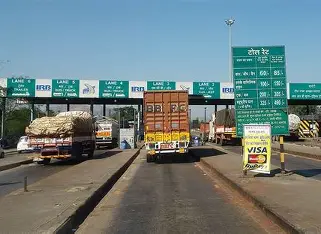
In a significant move aimed at easing travel costs and boosting infrastructure use, the Government of India has announced a substantial reduction in toll charges on national highways that include bridges and tunnels. According to the latest directive by the Ministry of Road Transport and Highways (MoRTH), the toll has been slashed by up to 50% on select highway stretches with elevated structures like flyovers, tunnels, and bridges, effective immediately.
The decision comes as part of the government’s broader effort to rationalize toll collection across the country and ensure a fairer pricing mechanism for highway users. The new toll policy specifically targets instances where travelers pass through short stretches of highways with expensive infrastructure elements such as tunnels or bridges, which previously attracted disproportionately high toll charges.
Under the revised guidelines, users will now be charged based on the actual usage of the elevated infrastructure rather than the entire length of the highway. This move addresses longstanding grievances from commuters and transporters, who have often raised concerns about being overcharged for brief passages through high-cost infrastructure segments.
According to officials from the National Highways Authority of India (NHAI), this policy change is expected to benefit thousands of daily commuters, especially in hilly regions and metropolitan areas where tunnel and flyover-based connectivity is prevalent. Routes like the Chenani-Nashri Tunnel in Jammu & Kashmir and the Atal Tunnel in Himachal Pradesh, which are crucial for regional connectivity, are likely to see toll reductions.
MoRTH has also clarified that the new toll structure will apply to both private and commercial vehicles. In addition, digital toll collection through FASTag will automatically reflect the revised charges, ensuring a seamless transition without the need for commuters to take any action.
Impact on Stakeholders:
Transport companies and logistics operators have welcomed the move, stating that the reduced toll burden will lead to lower operational costs and more competitive freight rates. Daily commuters have also expressed relief, particularly in states like Maharashtra, Himachal Pradesh, and Uttarakhand, where tunnels and bridges form a significant part of the highway network.
Experts believe the policy may also encourage higher traffic flow through national highways, further justifying the large-scale investments made in constructing world-class infrastructure.
However, some industry analysts have cautioned that reduced toll revenues might slow down future public-private partnership (PPP) investments in highway projects. The government has countered this concern by stating that the loss in toll revenue will be compensated through increased traffic volume and better compliance with toll payment systems like FASTag.

