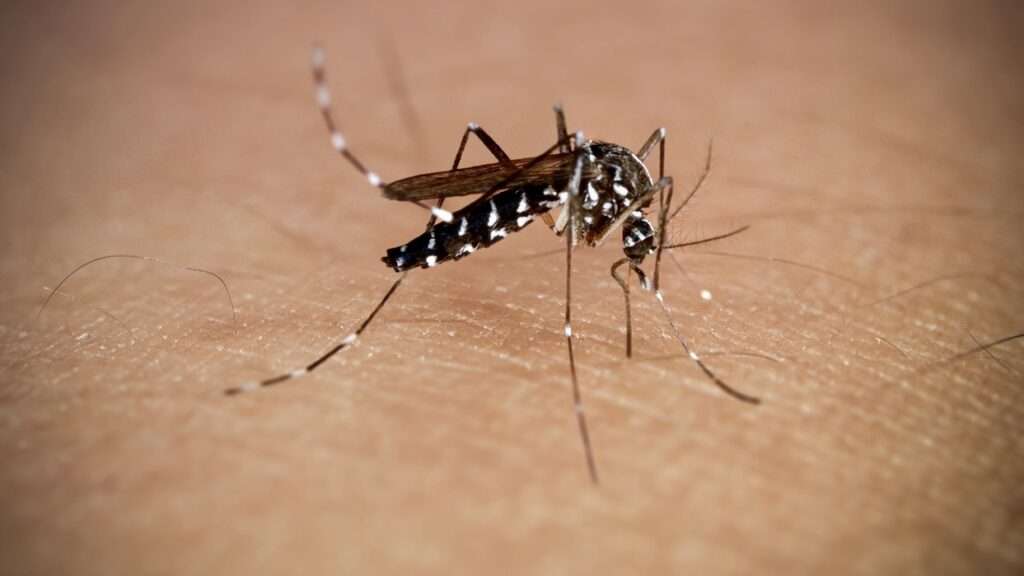
7 July,2025-In a groundbreaking move to combat the rising threat of vector-borne diseases, the Andhra Pradesh government has launched an artificial intelligence (AI)-based mosquito control system. This innovative initiative aims to enhance public health safety through predictive analytics and targeted interventions, marking a significant leap in the use of technology in healthcare and urban sanitation.
The AI-driven platform, developed in collaboration with tech experts and public health officials, will analyze environmental data—such as temperature, humidity, and rainfall patterns—to identify mosquito breeding hotspots. By processing real-time inputs from drone surveillance, satellite imagery, and field data, the system can accurately forecast high-risk zones for disease outbreaks like dengue, malaria, and chikungunya.
Officials from the state’s Health and Family Welfare Department explained that the system would assist local municipal bodies in carrying out timely fogging operations, larvicide applications, and awareness drives. It is also integrated with a citizen-reporting mobile application that allows residents to report stagnant water and potential breeding grounds directly to health authorities.
According to state authorities, the system has already undergone successful pilot testing in select districts, where it demonstrated over 70% accuracy in predicting mosquito population surges. Based on the positive results, the project is now being scaled across urban and semi-urban regions of the state.
Health Minister Vidadala Rajini stated, “This AI-based mosquito monitoring and control system is a pioneering effort in India. Our aim is to drastically reduce the incidence of vector-borne diseases by enabling real-time, data-backed action. Prevention is always better than cure, and technology can be a powerful tool in this mission.”
Public health experts have welcomed the move, highlighting that climate change and urbanization are contributing to the increased frequency and intensity of vector-borne disease outbreaks. AI systems, they argue, offer a scalable and efficient solution to monitor and mitigate risks before they escalate into widespread health crises.
The initiative is also expected to improve resource management. Rather than conducting uniform mosquito control operations across all regions, the AI model enables targeted interventions, reducing both costs and environmental impact associated with chemical use.
Moreover, the project’s success could inspire other states and countries facing similar public health challenges. With India reporting tens of thousands of cases of mosquito-borne illnesses annually, such technology-led models may soon become an essential part of national disease control strategies.
The AI-based mosquito control system aligns with the broader goals of Digital India and Smart Cities Mission, reinforcing the state’s commitment to leveraging emerging technologies for citizen welfare. As Andhra Pradesh leads the way in digital disease surveillance, public health outcomes are expected to see significant improvements over the coming years.