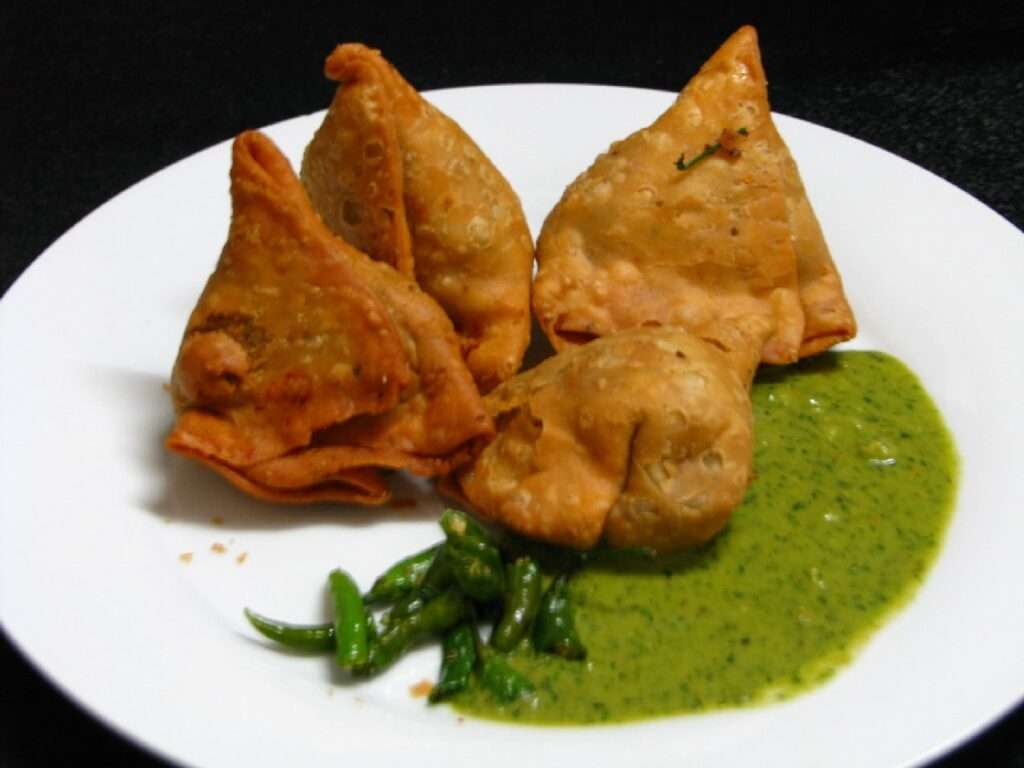
New Delhi, July 15, 2025 — The Press Information Bureau (PIB) of India has categorically denied viral social media claims suggesting that the government has issued health warnings against consuming traditional Indian snacks such as samosas and jalebis. The PIB clarified on Monday that no official directive or advisory has been released cautioning the public about the purported health risks of these popular delicacies, branding such reports as “fake news.”
The clarification comes amid a spate of viral posts circulating across platforms like WhatsApp, Facebook, and X (formerly Twitter), asserting that the Ministry of Health and Family Welfare had warned citizens against consuming fried and sweet items like samosas and jalebis due to alleged links with severe health conditions, including cancer and diabetes. The messages, often shared with screenshots of what appear to be government notices, sparked widespread confusion and concern among consumers and small food vendors alike.
In its official statement, the PIB Fact Check unit stated, “A message circulating on social media claims that the Government of India has issued a health warning advising citizens not to consume samosas and jalebis. This claim is fake. No such advisory has been issued by the Ministry of Health and Family Welfare.”
The PIB’s intervention underscores the government’s ongoing efforts to curb the spread of misinformation, particularly around food safety and public health. In recent years, fake news related to food items has surged, leading to panic buying, sudden drops in sales of certain products, and financial distress for small businesses reliant on traditional snack sales.
Health experts weighed in to emphasize that while excessive consumption of fried or sugary foods like samosas and jalebis can contribute to health issues such as obesity, diabetes, and heart disease, no specific government order has singled out these items for a formal ban or warning. Dr. Ramesh Kapoor, a senior nutritionist at Delhi’s Fortis Hospital, noted, “It is important to consume such foods in moderation, but labeling them outright dangerous or banned is incorrect and misleading.”
The incident also raises broader questions about the impact of fake health warnings on cultural heritage and traditional cuisines. Street vendors and sweet shop owners reported a noticeable dip in customer inquiries over the weekend, as the viral messages gained traction.
Rajiv Sharma, owner of a popular sweets shop in Chandni Chowk, expressed relief at the PIB’s clarification. “We depend on these traditional snacks for our livelihood. Such fake news can destroy trust and hurt our business badly,” he said.
The PIB has urged citizens to verify the authenticity of information through official government channels before forwarding or acting upon such messages. Users are encouraged to follow the PIB Fact Check handles on social media platforms to stay informed about verified news and advisories.
As misinformation continues to proliferate online, experts warn that vigilance and critical assessment of digital content remain essential to protecting public confidence and the country’s vibrant culinary traditions.