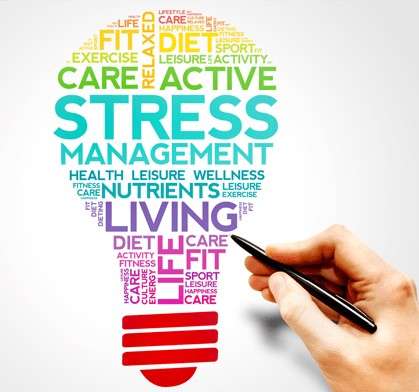
As modern life grows increasingly unpredictable, experts recommend evidence-backed methods to maintain emotional balance and resilience.
In today’s hyper-connected, fast-paced world, stress has become a near-constant presence in the lives of millions. From demanding work schedules and economic pressures to personal responsibilities and global crises, individuals are experiencing heightened levels of anxiety and mental fatigue. Mental health professionals are urging people to adopt practical, long-term strategies for managing stress and maintaining emotional well-being.
According to the World Health Organization (WHO), more than 70% of working adults globally report high levels of stress, which can lead to serious health complications if left unaddressed. These include cardiovascular issues, weakened immunity, and mental health disorders such as depression and anxiety. In light of this, stress management has become essential—not only for individual health but also for maintaining workplace productivity and societal well-being.
One of the most effective approaches to managing chaos is mindfulness. This practice involves cultivating a focused awareness of the present moment, often through breathing exercises, meditation, or mindful observation. Studies have shown that practicing mindfulness for as little as 10 minutes a day can reduce levels of cortisol, the hormone responsible for stress, and promote a sense of calm and clarity.
Equally critical is maintaining a healthy work-life balance. In an era where technology enables around-the-clock availability, setting boundaries is more important than ever. Experts recommend defining specific work hours, taking regular breaks throughout the day, and dedicating time to rest and relaxation. Productivity tools such as the Pomodoro Technique, which alternates periods of deep work with short breaks, have proven effective in reducing overwhelm and boosting efficiency.
Physical health also plays a vital role in managing emotional stress. Engaging in regular physical activity—whether through walking, running, yoga, or strength training—helps release endorphins, the body’s natural mood enhancers. A balanced diet rich in nutrients and a consistent sleep schedule further support the body’s ability to handle stress.
For those experiencing prolonged emotional distress, professional therapy remains a highly recommended option. Mental health professionals provide tailored coping mechanisms, helping individuals process their emotions and develop resilience. With growing awareness around mental health, many organizations now include therapy services in their employee wellness programs.
Social support is another pillar of emotional stability. Maintaining strong connections with friends, family, or community groups provides a sense of belonging and emotional relief. In times of stress, simply having someone to talk to can be an effective way to gain perspective and release mental tension.
As the demands of modern life continue to escalate, building resilience and integrating stress management into daily routines is more than a recommendation—it is a necessity. The tools for maintaining mental well-being are widely available, but they require intentional practice and commitment.
By incorporating mindfulness, exercise, professional support, and strong personal boundaries, individuals can better navigate the chaos of daily life and protect their long-term mental health. In doing so, they not only enhance their own quality of life but also contribute to a healthier, more resilient society.