
August 13, 2025: In a significant overhaul of India’s direct tax laws, Parliament on Tuesday approved the Income-tax Bill, 2025, which will replace the long-standing Income Tax Act of 1961. The new legislation aims to streamline, simplify, and modernise the country’s tax framework, and will be enforced from April 1, 2026, marking the start of the 2026–27 financial year.
The Bill was passed in the Rajya Sabha through a voice vote and sent back to the Lok Sabha, completing the legislative process. It follows the withdrawal of an earlier draft introduced in February this year. The latest version incorporates 285 recommendations from a parliamentary select committee, including 32 major changes aimed at improving clarity, reducing complexity, and aligning tax administration with current economic realities.
Key Structural Reforms
One of the most notable changes in the new Act is the reduction of provisions from more than 800 sections to 536, organised into 23 chapters and 16 schedules. This restructuring is intended to make the law more concise and user-friendly for taxpayers and professionals. Additionally, the terminology “Tax Year” will replace the older “Previous Year” and “Assessment Year” system, bringing uniformity to tax periods.
The Bill also introduces fully faceless, technology-driven tax assessments to minimise direct interaction between taxpayers and officials. This shift towards a digital-first approach is expected to improve efficiency, reduce the scope for discretionary decision-making, and enhance transparency in the system.
Taxpayer Provisions
The new law retains the ₹12 lakh basic exemption limit for middle-income taxpayers, a measure aimed at offering relief to a large section of the salaried and self-employed population. It also refines rules related to deductions on income from house property, pre-construction interest, and commuted pensions. Further, provisions have been added for issuing nil-TDS certificates in specific scenarios to avoid unnecessary tax deductions.
Other key updates include measures for taxing vacant commercial properties, stricter regulations on anonymous donations, and an expanded definition of “undisclosed income” to include virtual digital assets. These steps are intended to close loopholes, improve tax compliance, and address emerging areas of income and investment.
Procedural Changes and Safeguards
The legislation mandates the issuance of notices before enforcement actions can be initiated, ensuring procedural fairness for taxpayers. It also includes a mechanism for faster processing of TDS refunds once income tax returns are filed, provided the process is completed within stipulated timelines, and no penalties will apply for timely submissions.
Political Reactions
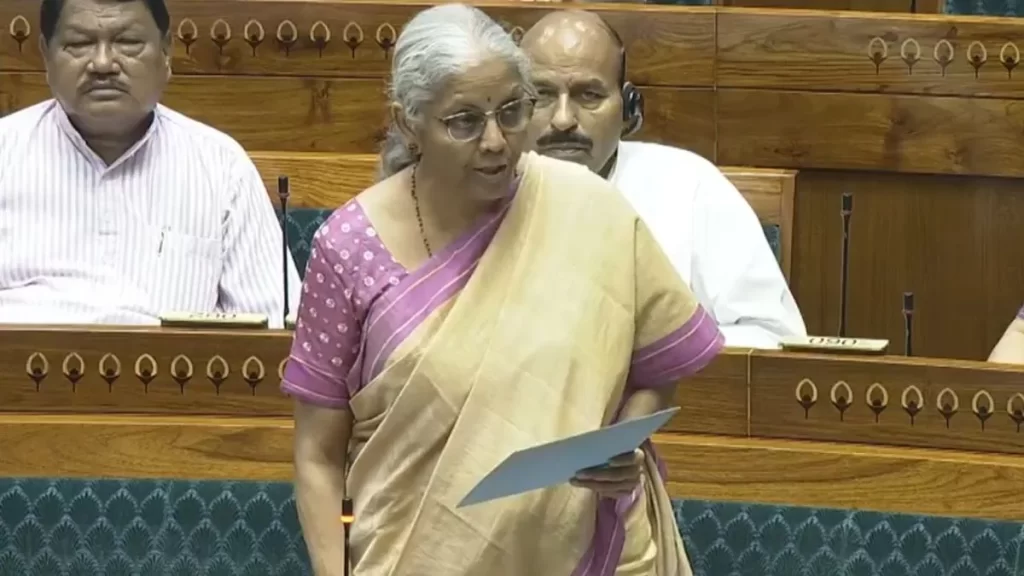
Finance Minister Nirmala Sitharaman expressed dissatisfaction over the fact that the Bill was passed without a detailed debate in the House. She criticised the opposition for not participating in discussions, calling their absence a missed opportunity to examine one of the most significant tax reforms in decades.
Impact and Implementation
The Income-tax Act, 2025, is being viewed as a landmark reform in India’s taxation history. By cutting down on excessive provisions, embracing digital administration, and updating definitions to reflect modern economic activities, the government expects the law to reduce litigation, increase compliance, and create a more predictable tax environment.
With the law scheduled to take effect in April 2026, tax authorities, businesses, and individuals are expected to begin preparations for transitioning to the new system over the coming months.

