
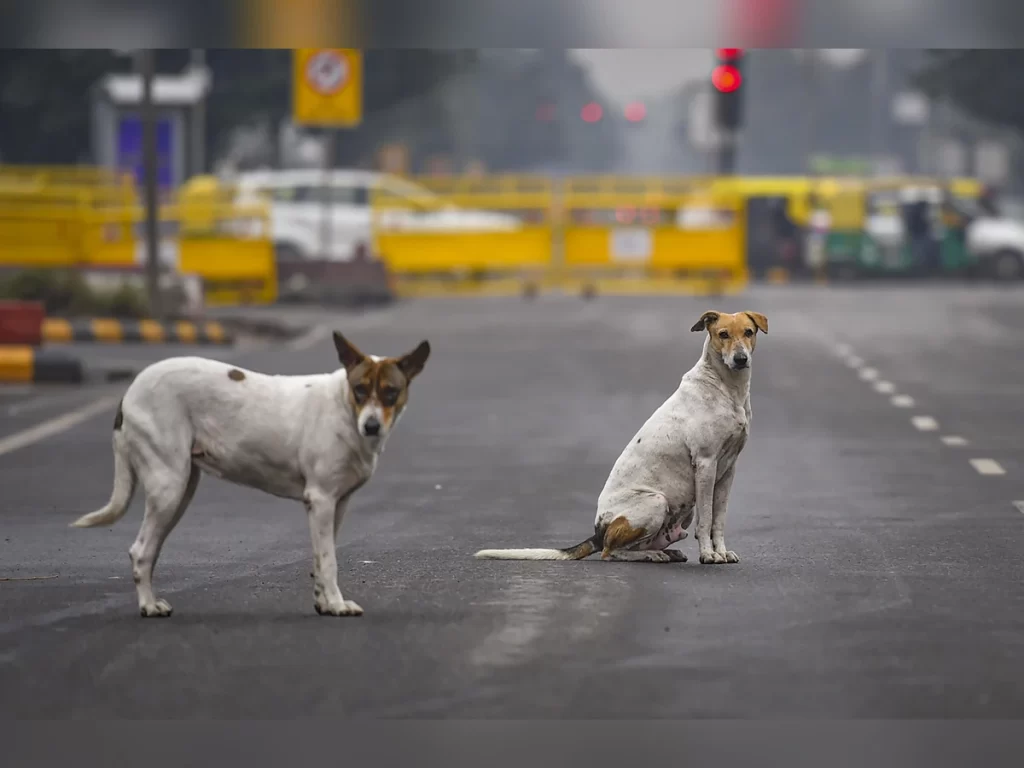
August 14, 2025 — The Supreme Court of India on Thursday reserved its decision on a plea seeking to stay its August 11 directive to remove stray dogs from Delhi streets and relocate them to shelters within six to eight weeks. The directive, issued suo motu, has drawn attention to both public safety concerns and animal welfare issues.
The Court had acted after reports highlighted a rise in stray dog attacks, particularly affecting children and the elderly. The order required authorities to remove stray dogs from Delhi, Noida, Gurugram, and Ghaziabad and to ensure they are not returned to the streets, citing the dangers of allowing unmonitored dogs to remain in public areas.
The interim plea contested the order on the grounds that it overlooked provisions under the Animal Birth Control (ABC) Rules, which focus on sterilization and vaccination rather than large-scale relocation. Petitioners also raised concerns about the capacity of existing shelters, which are insufficient for the estimated population of nearly one million stray dogs in the region.
During the hearing, the Supreme Court bench, which had issued the original directive, acknowledged these issues but highlighted the urgent need to protect citizens from attacks. The bench cited reports of fatalities and rising rabies cases linked to stray dogs, describing the situation as a growing public safety threat.
The Court also emphasized humane treatment in the relocation process, including proper sheltering, vaccination, sterilization, and the establishment of a helpline for citizens to report issues related to stray dogs.
Public reactions have been mixed. While some support the directive as necessary to prevent attacks, animal welfare advocates warn that mass relocation could create overcrowding in shelters and heightened aggression among dogs. Experts suggest that strict implementation of ABC rules may be a more sustainable long-term solution.
The Supreme Court’s reserved order reflects careful consideration of both public safety and animal welfare concerns. Its final ruling is expected to shape how urban authorities manage stray animals in India’s metropolitan areas in the future.

