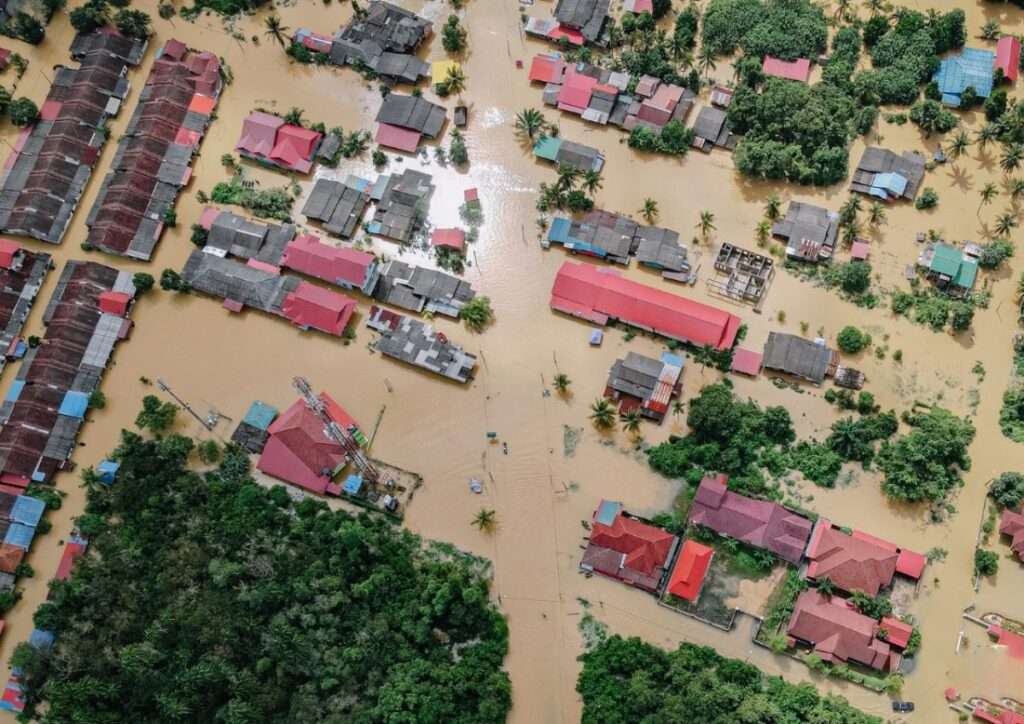
Severe rainfall and recurring floods across major cities in India have once again highlighted the vulnerabilities in urban infrastructure and planning. In recent weeks, heavy downpours have caused widespread waterlogging, traffic paralysis, and damage to public and private property, raising questions about the preparedness of metropolitan regions to withstand extreme weather events.
Experts attribute the escalating impact of rainfall on urban areas to rapid urbanization, poor drainage systems, and inadequate planning. Cities such as Mumbai, Delhi, and Bengaluru face recurring disruptions every monsoon season, as infrastructure struggles to cope with rising water levels. Roads are submerged, railway services face delays, and airports often experience disruptions, reflecting how transportation networks remain one of the worst-hit sectors.
Transportation at a Standstill
Urban transportation systems are particularly vulnerable to flooding. In Mumbai, prolonged traffic jams and suspension of suburban train services have left millions stranded during peak hours. In Bengaluru, a city heavily dependent on its IT workforce, flooding in tech corridors has led to disruptions in business continuity and employee mobility. Similarly, Delhi’s arterial roads have seen unprecedented waterlogging, underscoring the city’s drainage inefficiencies. These interruptions not only inconvenience citizens but also cause economic losses running into crores.
Urban Infrastructure Under Pressure
Flooding has a direct impact on civic infrastructure, from damaged roads and bridges to inundated power substations and water treatment facilities. Cracks in housing colonies, weakened building foundations, and collapsed boundary walls have raised safety concerns for residents. The strain on emergency services further complicates the crisis, as rescue teams often struggle to reach affected zones on time due to blocked roads.
Urban Planning and Climate Challenges
Experts believe the core issue lies in outdated urban planning models that fail to integrate climate resilience. Unchecked construction on wetlands, shrinking green cover, and encroachments on natural water bodies have significantly reduced cities’ capacity to absorb rainfall. Environmentalists argue that sustainable urban planning—incorporating rainwater harvesting, improved drainage design, and flood-resilient infrastructure—is the only long-term solution.
The rising frequency of extreme rainfall events is also linked to climate change. According to meteorological reports, India has witnessed an increase in short-duration, high-intensity rainfall, which overwhelms traditional drainage systems. With global warming intensifying, cities are likely to experience more such incidents in the future, making urban resilience a pressing national priority.
Way Forward
To mitigate the impact of flooding, experts recommend a multi-pronged strategy. Investment in smart drainage systems, restoration of natural water bodies, and strict enforcement of construction norms around flood-prone zones are essential. In addition, adopting technologies such as predictive weather modeling and real-time flood monitoring can help civic authorities respond more efficiently.
As India’s urban population continues to grow, ensuring sustainable infrastructure has become more than an environmental concern—it is an economic and humanitarian necessity. Without immediate and comprehensive reforms in urban planning, heavy rainfall will continue to disrupt daily life, threaten livelihoods, and strain the resilience of cities.