
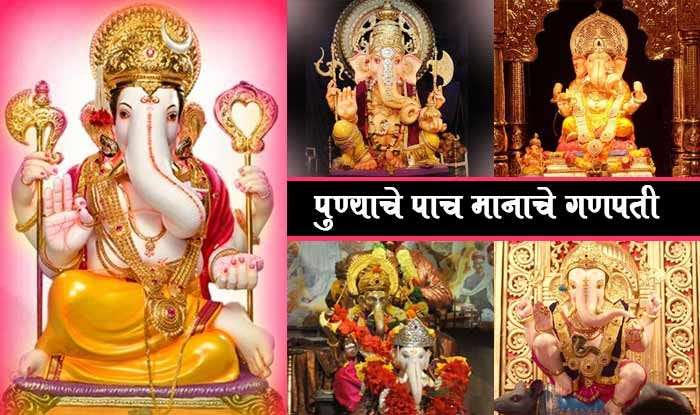
Pune, India –
Pune is synonymous with cultural richness, and one of its most celebrated traditions is the Ganeshotsav. At the center of this festival are five revered Ganpati idols known as the “Manache Ganpati.” These idols are not merely objects of worship; they embody history, devotion, and community spirit, drawing devotees from across the city and beyond.
Kasba Ganpati – Pune’s Primary Guardian
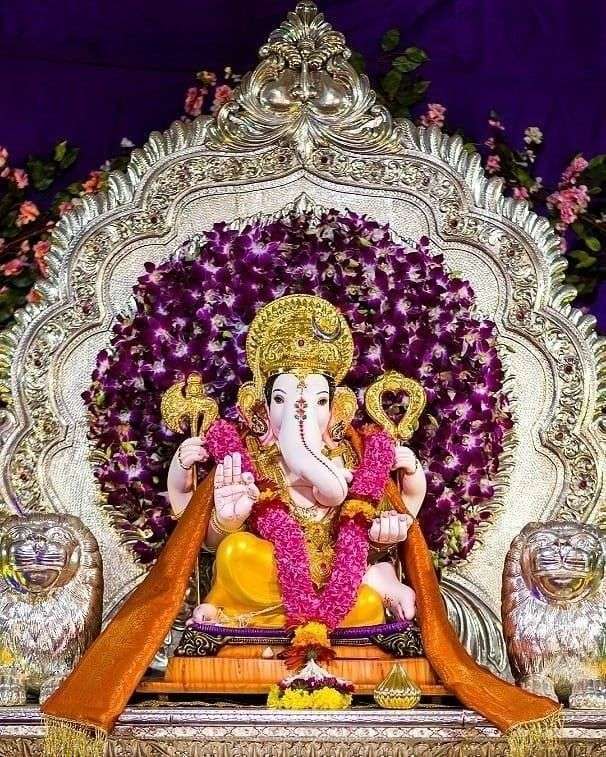
Located in Kasba Peth, Kasba Ganpati is considered Pune’s Gram Daivat or village deity. The temple was originally established in the 17th century and holds a central role in the city’s Ganeshotsav celebrations. It gained prominence when Lokmanya Tilak popularized the Sarvajanik Ganeshotsav in the late 19th century, transforming private worship into a public celebration and uniting communities in devotion.
Tambdi Jogeshwari – Tradition and Renewal
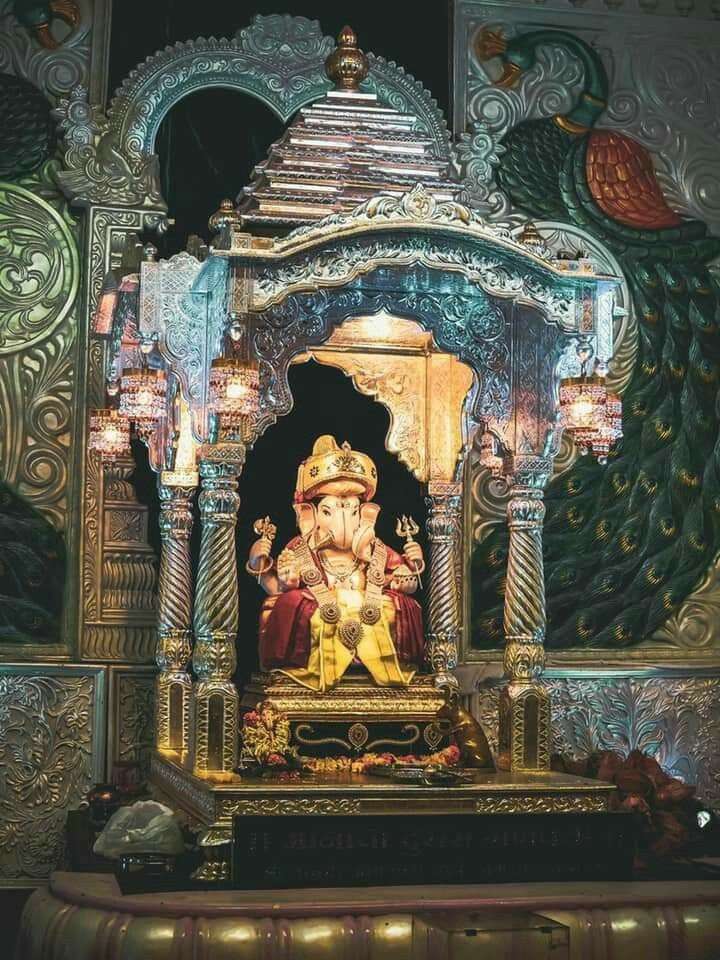
Tambdi Jogeshwari Ganpati, located in Budhwar Peth, is part of a historic temple complex dedicated to Goddess Jogeshwari. Known for its distinctive ritual of annually immersing and reinstalling the Ganpati idol, this mandal symbolizes renewal and continuity. Its long-standing presence reflects Pune’s rich historical layers, including the city’s Maratha heritage and evolving cultural identity.
Guruji Talim – Symbol of Communal Unity
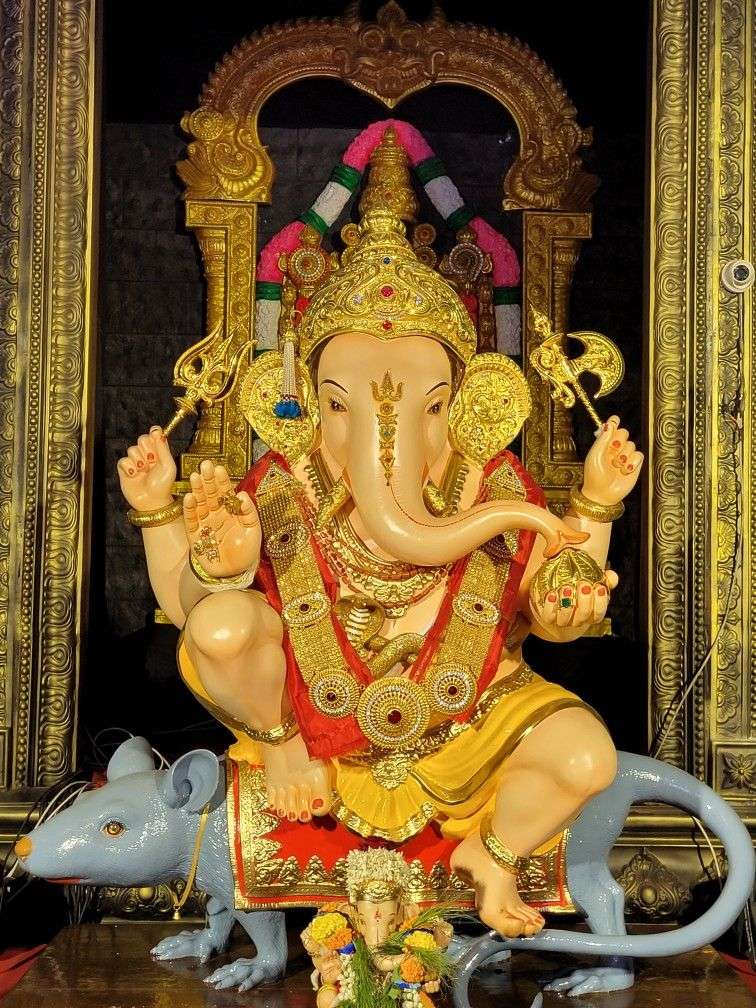
Guruji Talim Ganpati was established in the late 19th century by a group of devoted families, including Hindu and Muslim members. This mandal represents communal harmony and cooperation, making it unique among Pune’s Ganeshotsav celebrations. It continues to draw crowds who celebrate together, emphasizing the inclusive spirit of the festival.
Tulshibaug – A Hub of Spiritual and Cultural Life
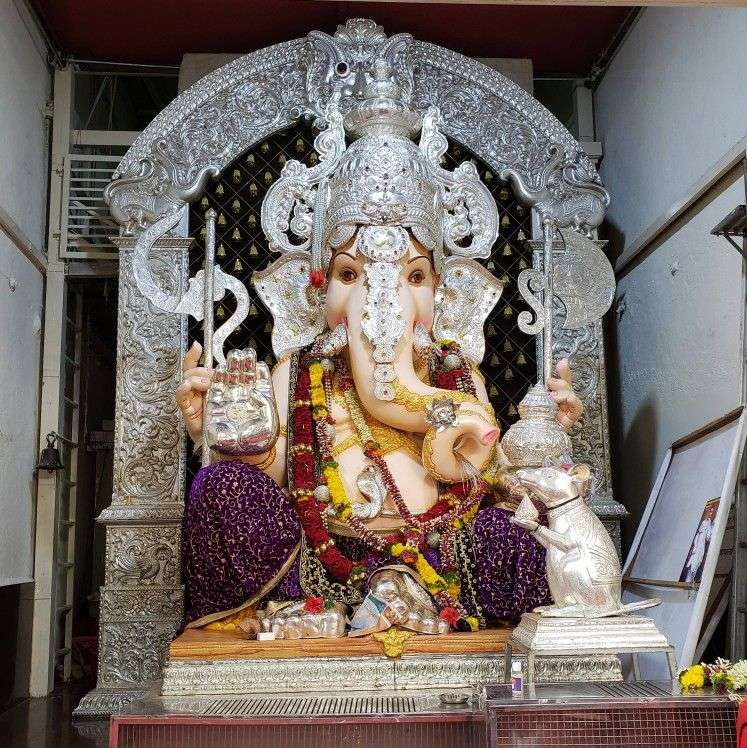
Situated near the Tulshibaug Ram Temple, Tulshibaug Ganpati is another key Manache Ganpati. The temple complex, built during the Peshwa era, adds historical depth to the celebrations. Thousands of devotees visit each year to pay respects, making it one of the most significant centers of Ganesh worship in the city.
Kesariwada – Unity and Historical Significance
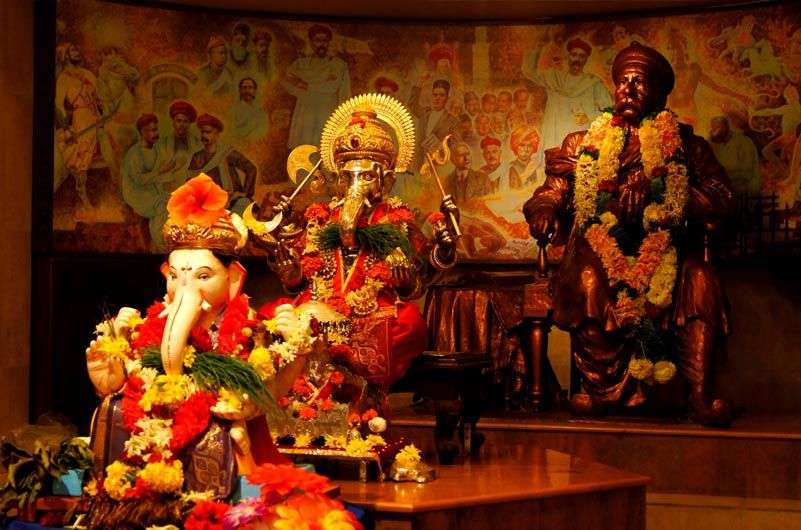
Kesariwada Ganpati is closely associated with Pune’s role in India’s struggle for independence. In the late 19th century, Lokmanya Tilak initiated the Sarvajanik Ganeshotsav here to foster unity among people against colonial rule. Today, Kesariwada remains a site of communal pride, preserving the festival’s historical and social importance.
The Five Manache Ganpati of Pune are more than sacred idols; they are living symbols of the city’s heritage, unity, and devotion. Each mandal, with its unique story and customs, enriches the Ganeshotsav experience, ensuring Pune remains a vibrant center of culture and faith in India.

