
August 29,2025 – The Pune Municipal Corporation (PMC) has directed that all large real estate projects within city limits must install air quality sensors to monitor pollution in real time. The order has been issued in response to a steady deterioration in air quality over the past year, as highlighted in the corporation’s latest Environmental Status Report (ESR).
According to the ESR, the number of days classified as having “good” air quality fell from 79 in the previous year to 52 in 2024–25. Meanwhile, “moderate” days rose from 140 to 174. The city also recorded three days of “very poor” air quality, compared to just one the year before. Officials have attributed the worsening trend to increased vehicular emissions, industrial activity, and rising dust levels from construction sites.
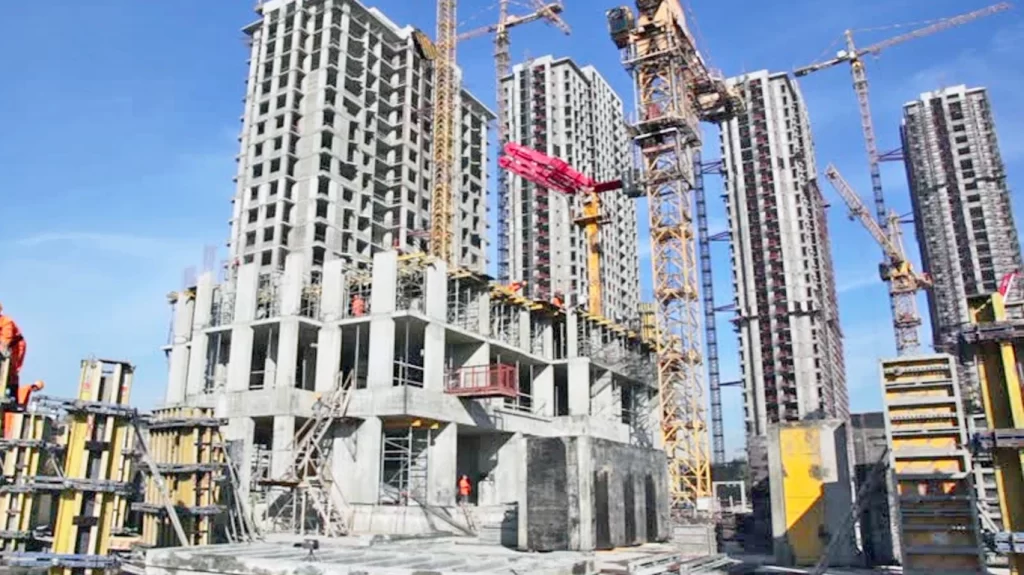
To address this, the PMC has mandated the installation of real-time pollution monitoring systems at all large-scale construction sites. These sensors will track particulate matter, including PM2.5 and PM10, and relay the data to a central monitoring dashboard. A task force set up by the civic body will supervise compliance and ensure that developers integrate their monitoring data with the city’s system.
In addition to the installation of sensors, builders are required to undertake dust-control measures at project sites. These include erecting enclosures of up to 35 feet using tin sheets, covering perimeters with cloth screens, and carrying out regular water sprinkling to curb dust emissions.
Environmental activists have welcomed the PMC’s decision but raised concerns about the efficiency of existing monitoring infrastructure. Pune presently has 45 air quality index sensors under the Smart City initiative, though these have been criticized for failing to provide accurate real-time data. The National Green Tribunal (NGT) has also questioned the effectiveness of fog and mist-spraying machines used in the city and suggested the adoption of alternative, scientifically proven methods.
PMC officials stated that the new directive will strengthen accountability among developers and help the civic administration respond more effectively to rising pollution levels. However, experts note that further action will be required to address emissions from traffic and industries, which remain the city’s primary contributors to poor air quality.
The civic body’s decision is expected to set a precedent for other urban centers in India, where rapid construction activity has contributed significantly to worsening air conditions. Officials added that the new monitoring system will enhance transparency by allowing citizens access to real-time pollution data from construction sites across Pune.
