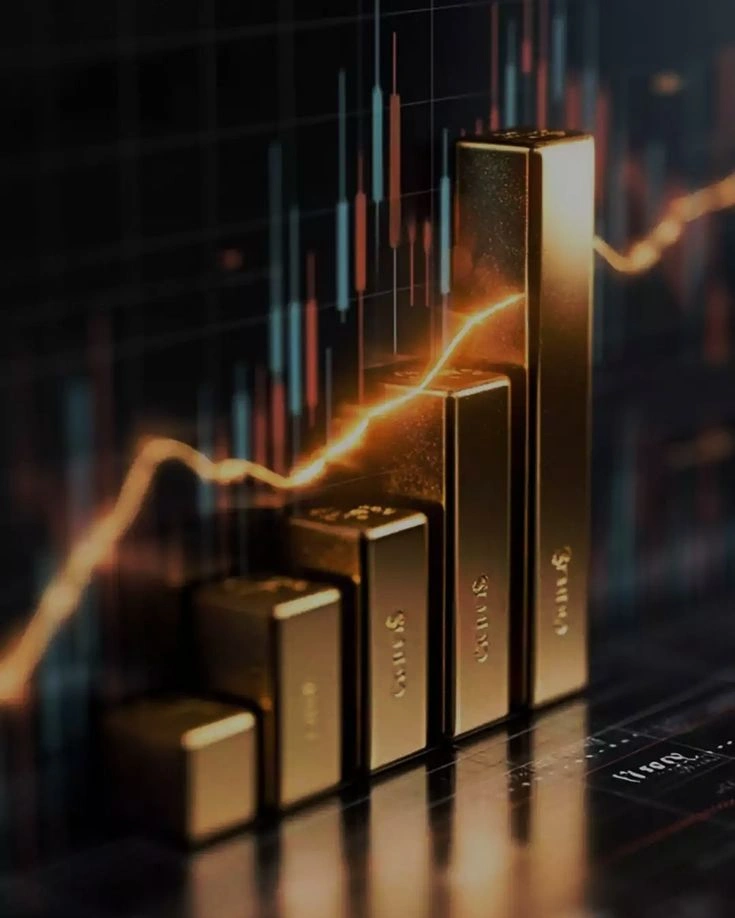
Gold prices in India have become increasingly unstable because of geopolitical problems, changing expectations for interest rates, and fears of inflation in the global financial markets. Experts suggest that this instability might not stop anytime soon. If current macroeconomic and market trends develop worse, many people estimate that local gold prices could go up to roughly ₹1.7 lakh per 10g. Both retail and institutional investors are paying close attention to the likelihood of a new gold spike since currencies are unstable and consumers are wary of taking risks. For policymakers, the direction of bullion prices has repercussions that go beyond the jewelry market. It has an effect on how people save money, how capital moves about, and how stable the financial system is as a whole.
Gold prices are going up and down because of what’s going on in the world.
You can’t make sense of the current changes in gold prices without also looking at what’s happening in the international economy. Geopolitical flashpoints that don’t go away, like instability in critical locations that produce commodities, have kept risk sentiment low and made gold a safe haven. At the same time, bond yields have gone up a lot, which is the opposite of what generally happens when demand for bullion goes up. This is because there is uncertainty about how quickly and how much major central banks may cut interest rates in the future. When rates fall down or stay negative after inflation, the cost of holding non-yielding assets like gold goes down, which often makes prices go up.
Market strategists argue that algorithmic trading and more risky positions on global futures markets have made fluctuations during the day greater in the previous few months. When major funds unexpectedly change their positions, it can trigger short-term spikes or corrections that quickly spread to domestic markets. For average investors, this has meant that the price of gold in rupees has fluctuated more often and sometimes a lot, even on days when there isn’t any news.
The Indian market is made up of currency, demand, and rules.
India is the second biggest buyer of gold in the world. A dynamic mix of global benchmarks, fluctuations in currency, and local demand patterns determine how prices act in India. Gold prices in India are primarily based on international prices in US dollars. However, these prices are changed to account for the current rupee-dollar exchange rate and Indian taxes. Prices in India can go up even if prices across the world stay the same when the rupee gets weaker. Prices in India can go down when the rupee gets stronger.
The time of year is also important. Jewelry is in high demand during the wedding season and significant holidays like Akshaya Tritiya and Diwali. This makes it harder to get jewelry, and prices sometimes go up briefly compared to prices throughout the world. Jewelers and bullion dealers typically hedge their bets ahead of time to protect themselves from these price spikes that happen every so often. This can also have an effect on prices in the short run. Changes in government policy, such as import taxes, hallmarking laws, and attempts to curb illegal imports, also have a direct effect on the landed cost of gold and, by extension, its retail price per 10g.
The most important things that cause gold prices to go up and down
There are a lot of structural and cyclical factors that are making gold prices so unstable right now:
Expectations about interest rates: Changes in the market’s bets on policy rates in advanced countries have a direct effect on bond yields and an indirect effect on how attractive gold is compared to other investments.
Inflation trends: Gold tends to fare well as a hedge when inflation is high or stays high, especially when wages and real yields don’t keep up.
Changes in currency: When the rupee loses value against the dollar, prices in India usually go up more.
Geopolitical risk: People normally prefer to buy safe havens more when there are wars, sanctions, or trade problems.
Changes in how much money people have in exchange-traded funds, how much the central bank buys, and how much they wager on the future can speed up trends.
Regulatory environment: Changes in import duties, bans, or compliance requirements can influence how much things cost and how they are delivered.
Price movements can look strange over short periods of time since these sections don’t always move in exact harmony. But when you put them all together, they show the medium-term trend that experts use to guess where prices might go up or down.
Institutions want you to diversify your holdings.
One of the most fundamental structural shifts that support the positive argument for gold is the expanding role of gold in institutional portfolios. Pension funds, sovereign wealth funds, and big asset managers have quietly put more money into gold and other commodities as a strategy to spread their risk in a world where classic stock-bond correlations don’t always hold up. Some central banks in emerging economies have also been buying more gold as part of a bigger aim to rely less on any one foreign currency.
In India, gold exchange-traded funds and sovereign gold bonds are growing more popular. This makes it easier for people who used to only buy real coins or jewelry to get engaged. This financialization of gold demand makes prices in India more closely linked to global investment flows. Sometimes, this means that movements that start outside of India are larger. When there is significant institutional demand throughout the world at the same time as strong local seasonal and retail demand, it can make prices in rupees go up a lot.
Things that could go wrong with the optimistic scenario
Analysts think that a rise to about ₹1.7 lakh per 10g is probable, but it’s not a definite thing. There are a lot of things that could impede or even turn gold’s ascent around. If inflation falls more than expected and central banks maintain policy rates high, a major danger to the good outlook is that real interest rates will keep moving up. In this instance, fixed-income assets with higher returns might become popular again, which would mean less money going into things like gold that don’t pay interest.
Jewellers and the industry need to think about their plans.
When the price of gold goes up and down a lot, jewelers and bullion dealers also have to deal with strategic issues. High prices can make consumers less likely to acquire jewelry, especially in rural areas and markets where people are sensitive to price and have low incomes. Companies in this field may focus on new designs, lighter products, and flexible payment plans to keep customers interested.
At the same time, it is very vital to keep an eye on stocks and protect against price risk in order to keep margins safe. To protect themselves from unexpected fluctuations in the market, many organized participants utilize options and futures to hedge their bets. Branding, hallmarking compliance, and being explicit about manufacturing costs and purity are becoming more and more important as buyers learn more and become more demanding. A protracted rally into higher price bands would undoubtedly speed up the process of getting people in the industry that are structured, compliant, and have a lot of money.
How investors can deal with the market’s ups and downs
Because of the current uncertainties, experts frequently say that the best approach to invest in gold is in a disciplined and well-informed method. Instead of trying to perfectly anticipate the top or bottom of each market cycle, investors might be better off thinking about their long-term financial goals and how much risk they are ready to take. If you see gold more as a tool to protect yourself against inflation and crises, it might be best to keep your allocations the same over time instead of trading based on short-term price swings.
Gold Price Volatility: Why Experts See a Possible Rally Toward ₹1.7 Lakh per 10g