When is Hindu New Year 2026 (Nav Samvatsar), and what are the traditions that go along with it? Nav Samvatsar, or Vikram Samvat 2083, is the Hindu New Year 2026. Hindus all across the world celebrate and make themselves new during this period. March 30 is a lucky day when old and new celebrations come together to express how significant it still is.
The Story of Nav Samvatsar
The name Nav Samvatsar derives from the Vikram Samvat calendar that King Vikramaditya made in 57 BCE to keep account of how he beat the Sakas. By aligning up moon cycles with solar transits, this lunisolar system makes sure that festivals happen at the right time of year.
In the month of Chaitra, the first day of the waxing moon is Chaitra Shukla Pratipada. This is the first day of the new year in 2026. It means the universe’s new life. People in different sections of the country call it different things. People from Gujarat name it Ugadi or Gudi Padwa, people from Maharashtra call it Gudi Padwa, while those from Telugu and Kannada call it Ugadi. These traditions indicate that India’s culture is made up of a lot of various aspects that work together because everyone believes in them.
Historians say the calendar is rather accurate since it has lunar years that last 360 days and Adhik Maas (additional months) that shift every 2.7 years to match the solar year, which lasts 365.25 days. This information reveals how advanced ancient Indian astronomy was and how it affected calendars from Nepal to Bali.
The exact date and astronomical basis for the year 2026.
On March 30, 2026, it will be the Hindu New Year. This is when the moon changes from Amavasya to Pratipada after the spring equinox. According to old-fashioned calendars called panchangs, this goes well with the good muhurat of Chaitra Navami in the morning.
Saturn’s entry into Pisces on March 29 makes things stronger and tells individuals to go inside themselves when the planets are in trouble. Sankalpa ceremonies begin at daybreak and implore God to bless them with wealth. You probably live in Pune, Maharashtra, where local temples like Shree Siddhivinayak put up gorgeous decorations that bring in thousands of people who come to pray.
If you’re in the United States and celebrating on March 30th, you need to think about time zones. People in the UK who celebrate on that day, on the other hand, follow Greenwich Mean Time.
Digital panchangs use both technology and Vedic knowledge to make sure they are right.
The Hindu New Year carries significant weight.
Nav Samvatsar represents a new beginning, a chance to begin anew, much like the way spring’s arrival sweeps away the final traces of winter’s cold.
The Rig Veda and other sacred texts tell us that Pratipada marks the beginning of creation itself, the moment when Lord Brahma brought the world into being.
It spiritually renews sankalpas, which are vows to follow dharma, artha, kama, and moksha.
Philosophically, Ugadi means “Yugadi Hoda Sarvada,” which indicates that Panchanga Sravanam, or recitals that explain how astrology works, may tell you what will happen in the next year. People are really hopeful because they assume that Guru’s compassionate gaze will help 2083 grow.
Rituals and Traditions That Matter
People have been celebrating the same way for a long time, but each way has its own meaning.
Cleaning the House and Mangalarati
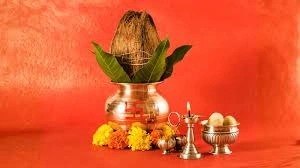
Cleaning the house is like cleansing your mind before dawn. Families in Maharashtra celebrate Gudi Padwa, or “Nav Varsha Mangal,” as they light candles. They erect a Gudhi, a bamboo pole adorned with silk, neem leaves, and sweets. This tradition is believed to ward off negativity and signify prosperity.
Feasts and Panchanga Sravanam
The new panchang tells priests what will happen in the next year. Ugadi Pachadi is a blend of neem, jaggery, tamarind, salt, and pepper that tastes like life. The taste is balanced, which helps you get stronger.
People in Telugu culture eat this meal to remember to embrace both the good and the bad. Two classic Gujarati foods that are offered at feasts are undhiyu and puran poli. Kannadiga Holige, on the other hand, is a sweet meal that makes things feel more celebratory.
Rangoli, Swing Rituals, and Gifts
Lakshmi likes colorful rangolis adorning entrances. Children play on jhulas that look like Krishna’s games. Two of the most kind things a person may do are to give food (anna-daan) and bhandaras to others. They also explain what vasudhaiva kutumbakam means.
Holidays in Different Parts of India
Localized festivities are a great way to illustrate how special India is. People in Maharashtra set up Gudhi on their roofs and enjoy Puran Poli sweets on Gudi Padwa. During Ugadi in Andhra and Telangana, people make Pachadi and complete all of the Panchanga Sravanam rites. In Karnataka, Ugadi celebrations are marked by oil baths, the hanging of mango leaf torans, and the enjoyment of Holige sweets. Gujarat’s Nav Varsh features flag parades and the vibrant dish known as Undhiyu. Meanwhile, during Chaitra Navratri, those in North India observe fasting, often consuming kheer and sabudana khichdi.
These updates preserve the city’s history, even as it continues to evolve rapidly in 2026.
Young people are using apps to generate rangolis that look real.
The Sri Venkateswara Temple in Pittsburgh gets 10,000 people for Ugadi, and you can hear Holi echoes in Sydney. UNESCO’s recognition of intangible heritage makes it more important all around the world.
What will happen in Vikram Samvat Year 2083? According to Astrology
According to Jyotishis, Rahu-Ketu eclipses will make matters worse. When Jupiter is in Taurus, it assists with farming. If you have Saturn in Pisces, it can aid you with your spiritual life. Mars gives you a lot of energy, Venus makes you more creative, and Mercury makes it easier for you to talk to people.
You can appeal for help in two ways: through the Rudrabhishek and the Hanuman Chalisa. Astrologers in Pune predicted that the monsoon will bring a lot of rain to the area. This makes sense because Maharashtra is a state with a lot of farms.
How it affects the culture and economics
During the vacations, people spend Rs 5,000 crore on sweets, sarees, and jewelry. This makes the need for gold go up by 20%. Artists enjoy clay Gudhis and Kalamkari prints. A lot of people visit the Badami caverns on Ugadi.
Students are proud of their culture since they learn Panchanga in school. Neem’s antiviral properties in Pachadi are helpful for your health and fit with Ayurveda’s purpose of boosting immunity.
Things you may do spiritually to improve yourself
People who follow the religion do vrata (fasting until noon), teerth snan (holy dips), mantra japa (108 Gayatri chants), and attend to temples to collect prasad. “Nav Varsha Nadi Shuddhi” is a yoga class that opens up energy pathways. The Muladhara chakra helps you start new things when you think about it.
Problems and trying to salvage things
Because people are moving to cities, traditions are dying. Young people prefer Netflix to Sravanam. Workshops bring NGOs back to life, and Pune’s community booths give out food. Digital archives keep folk songs safe.
Tithis don’t alter much because of climate change, but more people are learning how to save water.
Hindu New Year 2026: Nav Samvatsar Rituals Ignite Fresh Beginnings