The credit-rating agency India Ratings & Research (Ind‑Ra) has revised upward its projection for India’s Gross Domestic Product (GDP) growth in fiscal year 2025‑26 (FY26) to 7.0%, up sharply from its earlier forecast of 6.3% made in July 2025. The significant boost reflects optimism anchored in robust first-quarter economic performance and a smaller-than-expected fallout from recent US tariff hikes on Indian trade.
A Strong Start to FY26
In April–June 2025, India recorded a stellar 7.8% year-on-year GDP growth, the fastest pace in five quarters. Ind‑Ra attributed this growth to a rebound in consumption, easing inflation, rising real wages—especially in rural economies—and early benefits of reduced GST rates.
The agency also revised its forecast for private consumption, expecting private final consumption expenditure (PFCE) to grow 7.4% in FY26, slightly higher than the 7.2% recorded in FY25.
What Changed Since July: Revised Assumptions
In July 2025, Ind‑Ra had pegged FY26 growth at 6.3%. The upward revision now reflects two major shifts:
| Key Driver | Earlier Assumption (July 2025) | Current Assessment (Nov 2025) |
|---|---|---|
| Impact of US tariff hikes | Significant risk to exports and global trade | Tariff impact on overall trade much smaller; limited damage to growth |
| Domestic demand & inflation dynamics | Moderate growth due to tightening global conditions | Sharper decline in inflation, improved real wages, GST rationalisation boosting consumption |
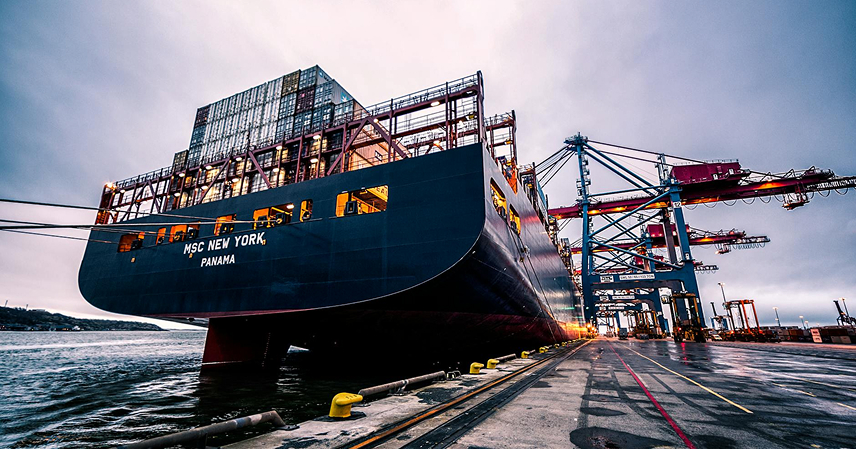
Ind‑Ra also noted that since July, the external and global trade environment has evolved: despite steep US tariff hikes, the adverse effects on global demand and trade volumes have been less severe than initially estimated.
Balanced Optimism — But Risks Remain
While the revised 7.0% forecast signals strong confidence, Ind‑Ra maintained that risks remain “evenly balanced.” The agency emphasized that for growth to sustain—or even surpass 7%—continued momentum in both domestic demand (consumption and investment) as well as favourable global trade developments would be essential.
Meanwhile, the Reserve Bank of India (RBI)’s own growth projection for FY26—at 6.8%—remains slightly more conservative than Ind‑Ra’s.
Broader Implications for India’s Growth Narrative
- Domestic demand as growth engine: The upward revision reinforces the increasing significance of internal demand—particularly consumption—over exports or external demand in driving India’s GDP growth.
- Policy reforms gaining traction: Lower inflation, GST rationalisation and supportive fiscal and monetary conditions appear to be working in tandem, underscoring the positive impact of recent reforms.
- Export sector under pressure, but manageable: Although steep US tariffs remain a concern, the limited overall shock so far suggests resilience and adaptability through service exports, export diversification and government support.