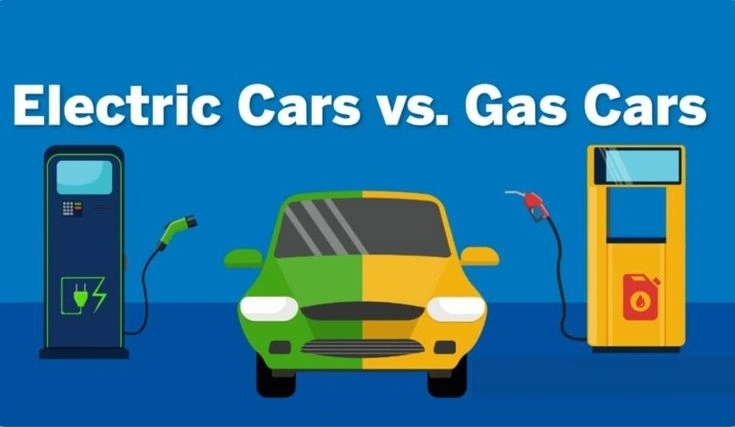
People are deciding whether battery-electric vehicles (BEVs) or gasoline-powered internal combustion engine (ICE) cars are better. This is having a big impact on the car business all around the world. Gas prices are rising, restrictions about the environment are getting harsher, and the technology for electric vehicles (EVs) is moving swiftly. The question is no longer if electric cars will take over the future, but when they will replace gas-powered cars. People should think about more than simply the price when they buy something. They also need to think about how it will influence their driving, how much it will cost to maintain up, and how it will harm the environment. This thorough analysis examines the economic, practical, and environmental consequences of selecting between gas and electric vehicles in 2026. It helps you see things better, which can help you make a choice.
Gas prices are going higher, which makes ICEs more expensive.
Gas prices have gone up and down a lot in the previous several years because people are scared about what’s going on in the world, the supply of crude oil is shifting, and prices are going up. Gas prices in India have been going up all the time. Gas prices in big cities have never been higher because of state taxes and changes in the worldwide market. People who travel to work every day and fleet operators, especially those who drive SUVs and automobiles with a lot of miles on them, are having problems paying for all the petrol.
You should also take care of ICE autos on a regular basis. For example, you need to change the oil, obtain new spark plugs, fix the transmission, and fix the exhaust system. These fees make owning a car cost thousands of rupees more each year. Electric cars don’t need as many of these parts, therefore it costs less to keep them running over time. When gas prices go up, cars that operate on gas aren’t as good for the economy. It doesn’t cost much more to charge electric cars.
Why driving an electric car costs less
One of the main reasons to buy an electric automobile is that it costs a lot less to drive each kilometer. When time-of-use prices are in effect, gas is usually more expensive than electricity. For example, a standard BEV in India can travel more than 300 kilometers on a full charge. It costs about one-fifth as much as gas to accomplish it. Over time, this differential will save people who drive a lot of miles a lot of money.
Electric cars also don’t need as much upkeep because its parts are easier to fix. People who own electric cars (EVs) don’t have to replace the oil, and they have fewer moving parts and no internal combustion engine, so they don’t have to go to the shop as often. Regenerative braking also makes brake pads live longer, which saves even more money on repairs. Governments all across the world are building charging stations and giving people tax rebates and other incentives to acquire electric vehicles (EVs). This makes the total cost of owning one lower. This makes electric automobiles and trucks more and more attractive.
What the Clean Mobility Imperative Means for Everyone
People are paying attention to the car sector because they are worried about climate change and air pollution. Gasoline-powered cars and trucks let out small particles, nitrogen oxides, and carbon dioxide into the air. These gases and particles make cities more polluted and greenhouse gas emissions worse. Delhi, Mumbai, and Nashik are three cities having a lot of people living in them. They create traffic bottlenecks and consume fossil fuels, which makes respiratory difficulties and damage to the environment worse.
When people buy a car, they consider more than just the price and how it affects the environment. They also care about how well the car performs and how it feels to drive.
Electric vehicles (EVs) offer a distinct advantage over traditional cars: instant torque delivery.
This helps them speed up rapidly and smoothly without changing gears. This function makes it easier to drive, especially in cities where you have to speed up and slow down a lot.
Finding a gas station is usually easier than charging an electric car, and refueling is faster than charging. People who love internal combustion engine (ICE) cars often enjoy the sound, the way they drive, and the culture of performance tuning that comes with them.
However, the difference in how well gas and electric cars perform is becoming less noticeable, mainly because electric cars can now go farther on a single charge and because fast-charging stations are becoming more common.
Charging stations and range are having troubles right now.
The fear of running out of juice is a significant hurdle for many considering electric vehicles. While public charging stations are popping up more frequently in urban centers, they’re still a bit of a rarity in the countryside and even in the suburbs.
A lot of people who want to buy an electric car are still afraid that their battery may fail before they can get to a charging station. People call this “range anxiety.”
But batteries are growing better, so electric automobiles can now drive farther. A lot of cars can now go more than 400 kilometers on a single battery. Some systems that charge quickly can fill a battery to 80% of its full capacity in less than 30 minutes. This means you won’t have to wait as long. Things might become better in the next few years as businesses and governments invest in charging networks.
What the Indian government and the market do, and what happens
The car business in India is growing significantly. Officials want more electric cars on the road to clean up the air and cut down on the need to get oil from other countries. People who buy electric cars get money from the FAME program. State governments may offer more perks, such as decreased registration fees and no road tax. Car makers are making compact cars, electric two- and three-wheelers, and other vehicles that middle-class households may buy more easily.
Most cars on India’s roadways still run on gas, even with these adjustments. This is because it’s easier to buy and fix gas-powered cars. As the price of batteries goes down and the number of electric vehicles made grows up, the total cost of owning an electric vehicle will alter a lot in favor of electric vehicles. People in Nashik, Mumbai, and Bengaluru are buying more and more electric cars (EVs) because they are useful, cheap, and good for the environment.
Is it better for the economy to have gas or electric automobiles right now?