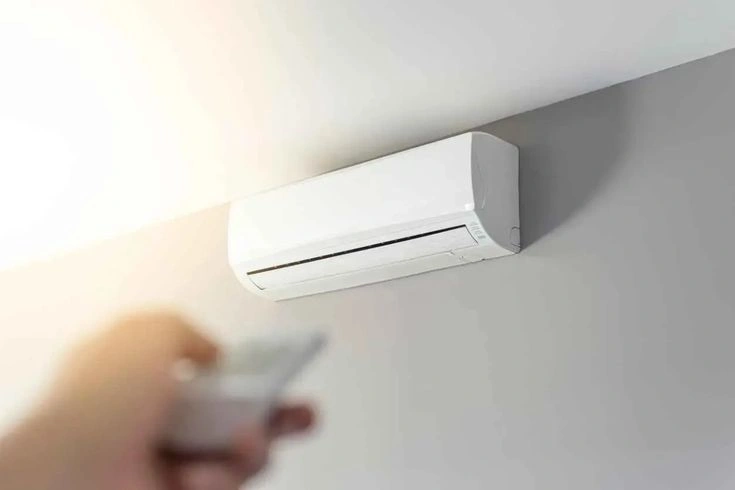
Across India, electricity costs are climbing, fueled by the intense summer heat. Demand is projected to hit 275–285 GW.
This is because of El Nino’s return and extreme heat waves. Households are desperate to save money on their AC bills. Delhi’s peak electricity demand is expected to surpass 9,000 MW, suggesting that straightforward, practical measures could reduce consumption by as much as 30% without sacrificing comfort.
Power Crisis Looming in Summer 2026
The India Meteorological Department forecasts an exceptionally hot summer for India in 2026, with above-average temperatures and an increase in heatwave days beginning in March. Just the cooling needs could drive peak power demand up by a remarkable 50 to 55 gigawatts.
Beyond the constraints on hydropower stemming from early snow droughts, potential rainfall deficits could be exacerbated by El Niño. This climate phenomenon, with a 50 to 60 percent likelihood of developing by mid-year, adds another layer of uncertainty.
This puts a lot of stress on the system, which raises electricity prices in many states, especially for people who rely on air conditioners in the summer, which makes up most of their bills. An unregulated 1.5-ton AC running for 8 hours a day at 2,000 watts uses 16 kWh every day, which costs hundreds of rupees a week at Rs 8–10 per unit. This coincides with Pune, Maharashtra’s summer peak, a period when business demands reach their zenith.
Vampire Loads Exposed
Vampire loads, or standby power, quietly consume 5–10% of a household’s electricity, even when the devices themselves aren’t actively in use.
TVs, chargers, and modems all require power even when they are off. In Indian households, this “phantom power” from cable boxes, laptops, and smart lamps can add up to Rs 1,000–2,000 a year, making AC bills much higher during peak tariff seasons. Older gadgets make the problem worse. For example, a single cable box uses 140 kWh of electricity every year while it’s on standby, which is the same amount of electricity a modest fan uses in a month.
Insights into Appliance Power
High-power appliances make summer bills higher, but knowing how much they use might help you save money right now. The most power-hungry items are 1.5-ton air conditioners, which use about 2,000 watts for 8 hours a day, or 16 kWh. Refrigerators come next, using 225 watts around the clock for 5.4 kWh a day. Regular ceiling fans utilize 75 watts over 6 hours (0.45 kWh), however modern BLDC fans only use 35 watts (0.21 kWh). Televisions use 100 watts for 5 hours (0.5 kWh), washing machines use 500 watts for 1 hour (0.5 kWh), and microwaves use 1,200 watts for a short time (0.6 kWh). ACs are by far the best, but fans and fridges can also help you save money.
15 “Bill-Kill” Tricks
1. Set the AC to 24–26°C.
Raising your thermostat by 1°C decreases your energy use by 6%. From 20°C to 24°C, you save 24%. The Bureau of Energy Efficiency suggests this for the best comfort, which might cut national demand by a lot.
2. Get BLDC Fans (2026 Must-Have)
BLDC fans, which are quite popular in 2026, utilize 65–70% less electricity than normal fans (35W vs. 75–90W). This saves Rs 1,000–2,000 per fan per year at 8 hours a day. Change all of them in households with more than one fan for Rs 2,000–6,000 a year.
3. Employ smart power strips.
These devices or schedules automatically cut off standby power to energy-draining electronics, thereby reducing phantom loads by eliminating the constant draw. Many models include USB ports and surge protection, accommodating multiple devices and simplifying the process of saving around 10% on energy costs.
Use curtains and seal leaks.
Seal the gaps around doors and windows to keep cool air in. Draw blackout curtains to prevent sunlight, which will cut down on how long the AC runs by 10% to 20%.
5. Clean the AC filters once a month.
Dirty filters make the machine work 15 to 20 percent harder, but a 15-minute cleaning brings back efficiency and lowers expenditures.
6. Get 5-Star ACs
Inverter 5-star models change speed on the fly and use 30–50% less energy than older models, making them perfect for Pune’s hot, humid summers.
7. Turn fans the other way around
Summer mode pushes air down cooler; use with AC to put less pressure on the compressor.
8. After using, unplug chargers.
Phone chargers use 0.1 to 0.5 watts when they’re not in use. Unplugging all of them will save you 5%.
9. Make the most of your fridge habits
Set to 4°C, don’t store hot food, and thaw it often. This will lessen its steady daily draw by 20%.
10. Turn on the AC and use ceiling fans.
Set the AC to 26°C and turn on the fan. It feels like 23°C, which saves 15–25% on cooling.
11. Change all lights to LEDs
LEDs use 80% less energy than CFLs. Replacing all of your CFLs with LEDs can save you Rs 500-1,000 a year and free up space on the grid for air conditioning.
12. Laundry Time for Nights
In Maharashtra, off-peak hours have lower rates, and you can skip machine cycles by air-drying.
13. Thermostats that can be programmed
Automatically adjusts when you’re not home and saves 10–15% by not running when you don’t need to.
14. Tips for insulating your ceiling
Foil under the roof or reflecting paints reflect heat, which lowers the temperature inside by 2 to 5 degrees Celsius.
15. Solar Top-Ups
A 1kW panel makes 120–150 units a month, which pays for 10–20% of AC-heavy costs at Rs 8/unit.
If you use 5 to 10 hacks together, you can cut costs by 30%. Use meters to prove it.
Spotlight on 2026 Tech Saviors
BLDC fans are the most popular type of fan in 2026, and brands like Fybros and Crompton provide 5-star models that use 30–35W of power, which is great for India’s fan-based cooling. Smart power strips are getting better with PD charging and app controls. They are designed to handle vampire loads as the number of devices grows. These include voice assistants, which help devices last longer and stop surges, which is important because heat extremes are pushing 283 GW peaks.
Real Math for Savings
A 30% cut saves Rs 1,500 on a Rs 5,000 monthly AC cost (500 units at Rs 10). Three BLDC fans cost Rs 3,000 a year. Vampire cuts cost Rs 1,000. Total: a game-changer for Pune families dealing with soaring rates in Maharashtra.
Wider Effects
These advancements ease the strain on the grid, reduce carbon emissions, and bolster its resilience against the unpredictable weather patterns associated with El Niño.
President Trump’s trade policies affect energy around the world, while India’s self-reliant technology like BLDC boosts efficiency. In the future, all new homes will have to have smart strips.
The “Bill-Kill” Guide: 15 Ways to Slash Your AC Bill by 30% This Summer