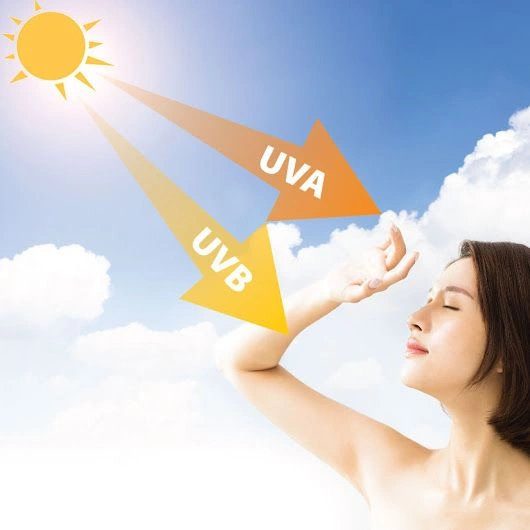
The world of skin care changes all the time. Things that were new and exciting a year ago might not be so new and interesting anymore. Your favorite sunscreen for 2025, which has broad-spectrum SPF 50 and maybe a little bit of moisture, might still be within reach, but the AI-powered skincare personalization advancements of 2026 are making it less useful. Thanks to SPF serum cushions and AI skin analysis apps, you can find UV protection that is just right for you. This isn’t just a conjecture; it’s a huge transition that big tech companies and skincare innovators are leading the way in. The promise is more than just keeping your skin safe from the sun; it’s also about making it healthy in a way that works for you.
Knowing about this 2026 sunscreen improvement could mean the difference between a decent defense and missing out on the finest ways to protect your skin this summer.
The Start of AI-Powered Personalization in Skin Care
The skincare business has been looking for the “one-size-fits-all” answer for a long time, but AI will take over in 2026. AI-powered skincare customisation uses machine learning algorithms to analyze your skin in real time. It checks things like the UV index, the color of your skin, the health of your microbiome, and even the data from your activity tracker. The industry thinks that this year the global market for individualized skincare products will expand by 28%.
People prefer more specific items than general ones, which is why this is the case.
There are no more 2025 sunscreens that don’t take into account what people require, like regulating oil for acne-prone skin or adding additional antioxidants for people who live in polluted cities. Two apps, NeoDerm AI and SkinSync Pro, use smartphone cameras and spectral imaging to generate a “skin passport.” This digital test checks for factors like how much melanin there is, how deep the dampness is, and how much oxidative damage there is. Then it proposes several strategies to protect yourself from UV rays that are more tailored to your needs. Dr. Elena Vasquez, a well-known cosmetic dermatologist in New York, says this is a huge step forward: “We’re going from reactive sun care to predictive defense.”
The emergence of individualized products is due to better biosensor technology, which is now common in many devices. In 2026, Qualcomm and other businesses worked on AI. Now, your phone’s front camera can be utilized as a dermatological instrument that can evaluate skin with 95% accuracy compared to clinical-grade tools.
The best way to protect yourself from the sun is with SPF serum cushions.
The SPF serum cushion is the greatest part of the new sunscreen technology that will be available in 2026. You can gently squeeze this compact, reusable puck to dispense a light serum and sunscreen. These innovative pillows, initially embraced by Korean beauty enthusiasts, have now found their way into the offerings of premium brands such as La Roche-Posay and Estée Lauder. They function like miniature cosmetics, shielding the skin from UV damage, which also makes them suitable for medical applications.
Unlike the heavier creams of 2025, SPF serum cushions offer:
Adaptive SPF: An AI-driven application adjusts these formulas, providing SPF protection ranging from 30 to 70. This means you can ward off UV rays without the constant need for reapplication.
The foundation is designed to be non-comedogenic, featuring niacinamide for brightening, hyaluronic acid for hydration, and peptides to aid in skin repair.
Refill pods are an eco-friendly option, slashing plastic waste by 70%, a move that aligns with contemporary sustainability efforts.
Unveiled at CES 2026, the Lumina Cushion SPF 50+ utilizes micro-encapsulation to provide focused sun protection. This method addresses the frequently mentioned issue of a white cast that some sunscreens leave on various skin tones. User trials indicated a 40% increase in the likelihood of individuals selecting this product compared to conventional sunscreens.
The cushion’s design, which made application feel less like a chore and more integrated into a skincare regimen, likely contributed to its appeal. Nielsen data indicates a remarkable 150% surge in cushion product sales over the previous year.
This is much more than the growth of regular sunscreen sales.
This rise in SPF serum cushions shows that the market is moving in a good direction.
Apps that use AI to analyze skin are also changing the way we protect ourselves from UV rays.
The real magic happens with AI skin analysis tools. They link delivery and data to give you UV protection that is just right for you. These apps, which have been downloaded more than 50 million times throughout the world, begin by scanning your face for 30 seconds. Advanced computer vision can look at more than 20 skin metrics, like pore size, softness, and even the history of UV exposure based on the patterns of wrinkles.
Here are some of the most important reasons people like them:
Real-Time UV Forecasting: This feature uses weather APIs and your own location data to forecast how much UV exposure you might experience and suggests SPF serum cushion refills ahead of time.
The name of the game is to combine genetics and lifestyle. Think of it as working with sites like 23andMe and Fitbit to figure out how sensitive you are to the sun, based on your genes. For example, the MC1R gene is often found in people with pale complexion.
It also maintains track of your progress by sending you weekly updates on how much UV damage you’ve done so far and pushing you to use the app in a fun way.
For instance, GlowAI’s algorithms might mix on-demand formulae with skincare products that work well with them. This could involve adding vitamin C to fight photoaging or raising zinc oxide levels on days when pollution is high. The 2026 issue of the Journal of Dermatological Science backs this up with clinical studies. After two months, people who used AI-recommended, personalized UV protection had 25% less erythema (redness from sunburn) than people who used standard 2025 sunscreens.
This technology isn’t only for folks with a lot of money. SoleilAI is a cheap option that lets you receive basic scans for free and premium cushion subscriptions for $15 a month. This means that anyone can use the service. More and more people are adopting them as more and more people learn about skin cancer in India, where Pune-based companies are creating cheaper versions.
Why Sunscreens from 2025 Don’t Work as Well in 2026
To figure out why your 2025 sunscreen feels ancient, think about what it can’t do. Most people utilized chemical filters like avobenzone, which break down when heated and don’t protect against UV radiation. Do you have to put it on every two hours? A big ache in the neck. They also didn’t think about how to make it work for them. For instance, a matte product for oily skin could dry out skin that is both oily and dry, making it hard to apply evenly.
The numbers demonstrate the difference:
Standards for 2025: no personalization, a set SPF (such 50), lotion or tube type, a single-use container, and around 40% of people using it every day.
In 2026, new features will be added, like comprehensive AI skin metrics analysis, dynamic SPF (30–100 via smartphone), quick cushion press-and-blend, reusable pods that cut waste by 70%, and reminders that work 75% of the time.
Things go out of style faster as the weather changes. Static shielding isn’t enough anymore because UV levels are rising because of climate change. UVB radiation around the world has gone up 5% since 2020. The 2026 tech is 50% better because it has “smart filters” that switch on when NIR light reaches them.
According to Dr. Raj Patel, a physician in Mumbai, “old sunscreens from 2025 don’t protect 60% of users because they don’t match their skin type.” WHO says that employing AI to make skin care more personal could cut down photoaging by 30%.
The tech update in 2026 will change how you defend yourself from UV radiation, making your 2025 sunscreen useless.