
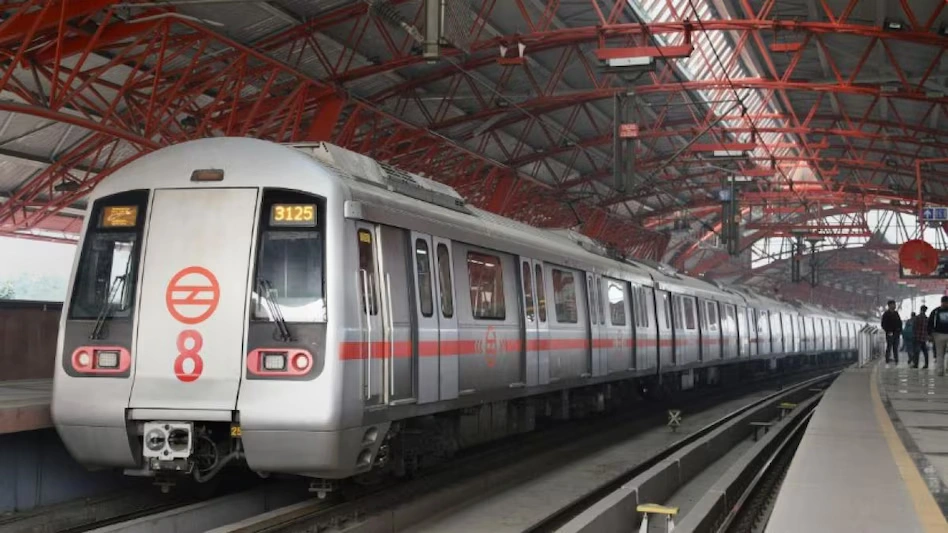
In a landmark infrastructure decision, the Union Cabinet chaired by Prime Minister Narendra Modi has approved the Delhi Metro Phase V(A) expansion project, significantly enlarging the capital’s metro network with three new corridors, 13 new stations, and a combined length of 16.076 kilometres. The initiative, sanctioned at an estimated cost of ₹12,015 crore, aims to reshape urban mobility, reduce congestion, and enhance economic connectivity across critical sections of the National Capital Region (NCR).
The announcement, made at a Cabinet briefing by Union Minister Ashwini Vaishnaw, underscores the government’s commitment to boosting public transportation infrastructure in India’s largest metropolitan region. The expansion is anticipated to be completed within the next three years, accelerating daily commuter convenience while advancing sustainable transit solutions in one of the nation’s most densely populated cities.
Strategic Corridors and Key Additions
The approved Phase V(A) project comprises three primary corridors designed to enhance connectivity across crucial urban and commuter zones:
- Ramakrishna Ashram Marg – Indraprastha Corridor (9.913 km): This longest stretch will improve access between West, North, and Central Delhi, linking major residential and administrative hubs.
- Aerocity – IGI Airport Terminal‑1 (2.263 km): A vital link for air travellers, this corridor strengthens airport access from key Metro nodes.
- Tughlakabad – Kalindi Kunj (3.9 km): Enhancing southern connectivity, this sector supports smoother travel through heavily trafficked zones.
Altogether, these additions will include 13 new metro stations, of which 10 will be underground and three elevated, enhancing accessibility and urban mobility for millions of commuters.
Transformative Impact on Connectivity and Urban Mobility
The Delhi Metro currently serves more than 6.5 million commuters daily across approximately 395 kilometres of operational lines. Once the Phase V(A) expansion is completed, the network is expected to surpass the 400‑kilometre milestone, reinforcing its position as one of the world’s largest and most comprehensive urban rail systems.
Expected Benefits Snapshot
| Benefit Category | Impact |
|---|---|
| Network Expansion | +16.076 km of Metro routes |
| New Stations | 13 (10 underground + 3 elevated) |
| Total Network Length | >400 km |
| Estimated Cost | ₹12,015 crore |
| Project Duration | ~3 years |
| Environmental Impact | Reduced private vehicle use; improved air quality |
Urban planners and transportation experts estimate that this expansion will significantly reduce surface congestion, shorten commute times, and provide efficiency gains for office workers, students, and frequent travellers across Delhi and its satellite cities.
Sustainability and Future Outlook
Beyond immediate commuter benefits, the Phase V(A) project aligns with India’s broader sustainability and carbon reduction goals by encouraging shifts from private vehicle use to mass rapid transit. Enhanced metro connectivity is also expected to support economic hubs, reduce greenhouse gas emissions, and improve last‑mile accessibility to underserved neighbourhoods.
As the Delhi Metro system continues its evolution, the government’s focus on bold projects like Phase V(A) signals a long‑term strategy to adapt to the capital’s rapid urban growth, while prioritizing efficient, inclusive and environmentally responsible public transport.

