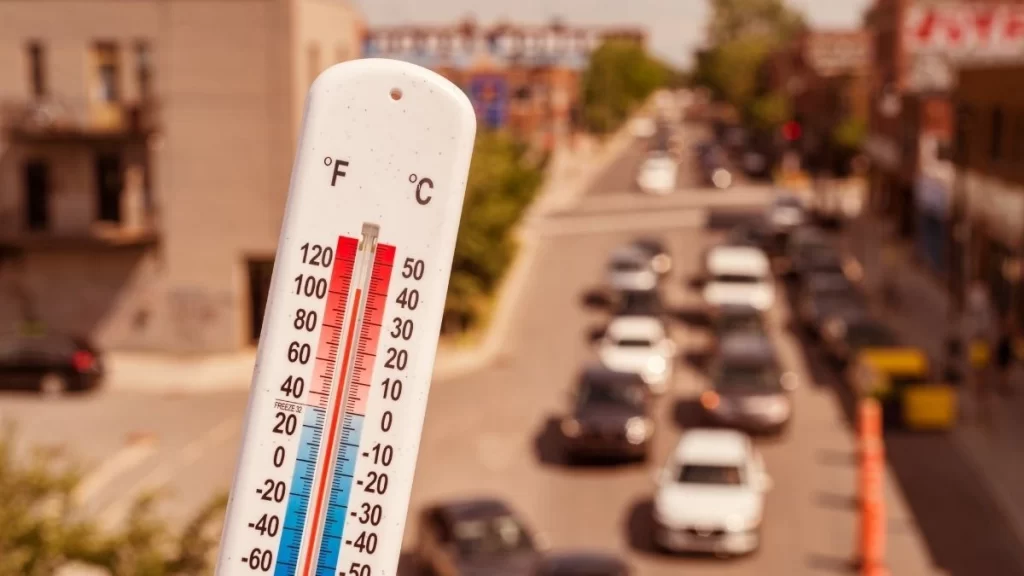
India is dealing with quite different kinds of weather this March. An unseasonal heat wave is hitting the northern plains, while the southern parts of the country are getting ready for sudden downpours. These unpredictable patterns, which are getting worse because of climate change, make farming harder, put a load on public health systems, and make cities less resilient.
The worst of the heat waves
Temperatures in central and northern India are 4–6°C higher than normal for this time of year, which means that cities like Delhi, Jaipur, and Agra are in the upper 30s and low 40s Celsius. The dry weather and bright skies have made this protracted hot period possible. Many people weren’t ready for it during what should have been moderate pre-summer days.
The heat keeps moisture in the soil, which speeds up evaporation and puts more strain on already scarce water resources. People in the countryside say their fields are dry and their winter crops are having a hard time, while people in the city go for shelter in malls and parks with shade. Power use has gone up, causing outages in areas with a lot of demand.
Health experts say that more and more people are getting heat exhaustion, especially outdoor laborers and older people who are weak. Millions of people now need to wear loose clothes, drink plenty of water, and take naps at the busiest times of day.
Hotspots for regional heatwaves
Rajasthan is the hottest state, with Jodhpur and Bikaner seeing temperatures over 40°C. This led to school closures and the army helping to distribute water. Lucknow and Kanpur in Uttar Pradesh are baking at 39°C, which is putting off outdoor celebrations and wedding plans in the wake of Holi.
Bhopal and Indore are also in trouble in Madhya Pradesh, which stops roadwork and building. Nashik area in Maharashtra, which is famed for its vineyards, has temperatures of 37 to 38 degrees Celsius, which worries grape quality before the harvest season. Ahmedabad, Gujarat, is following this trend, and hospitals are on high alert.
These strange things, which don’t happen very often in mid-March, suggest that the seasons are changing. What used to happen in May now happens earlier, shortening the time frame for adapting to the heat.
Forecasts for Southern Rain Start to Come Out
The north is frying, but eastern and peninsular India is looking forward to reprieve from thunderstorms and rain. A low-pressure system forming over the Bay of Bengal may bring 50 to 70 mm of rain and strong winds to Odisha, Andhra Pradesh, and Tamil Nadu in the next several days.
The Western Ghats areas from Mumbai to Nashik and Pune are likely to have moderate rains of 10 to 25 mm, which could help cool down the heat. Kerala is having stormy weather with some hail, which is making things hard to do on the coast. These pre-monsoon bursts are good, but they could cause floods in urban gullies that are full of trash.
Meteorologists say this is because of an active trough and oceanic forces that drive precipitation inland too soon. Farmers in places that get rain are excited about the possibility, since it means improved chances for summer planting.
Climate Forces at Work
This split weather story shows how easily India’s weather may shift. A weakened polar vortex and leftover El Niño patterns have kept high-pressure ridges over the northwest, which is making the plains quite hot. In the south, warmer seas make convective clouds grow.
Urban sprawl makes the heat worse: Nashik’s rising suburbs have paved over green buffers, which trap heat like a greenhouse. Across the country, air pollution from crop residue creates a hazy veil that changes the patterns of rain and makes dry spells worse.
Long-term data shows that March hot events have doubled in frequency over the past 20 years, which is in line with a 1°C rise in annual temperatures. These kinds of extremes show us a future where regular planting calendars don’t work.
Effects on Farming and Making a Living
Rabi crops on 20 million hectares are on the edge of failing, and the wheat ears are drying up in the hot sun. The tips of the onions in Nashik’s fields are turning yellow, which means that prices at mandis will go up by 25%. Grape growers deploy mist fans, but small plots suffer most.
Animals don’t do well either: poultry layers drop egg output by 20% in the heat, and dairy cows give less milk. People that fish in the south stop their trips before storms hit, leaving boats and marketplaces empty.
Economic ripples affect workers as well: everyday workers lose shifts, building companies stop working, and tourism in dry areas drops. But rain could fill up reservoirs again, making things easier for hydro-dependent power.
In the north, long periods of dry heat hurt crop yields, while in the south, waterlogging threatens crops. Health systems are dealing with heat-related deaths now, but they are getting ready for illnesses that will come after the rain. Energy grids are overloaded right now, but they may stabilize later. The economy as a whole is facing short-term losses due to volatile commodity prices.
Health Emergency and Safety Measures
Since early March, hospitals have been admitting hundreds of people for dehydration and cramping, which has made ICUs in heat epicenters quite busy. There are the most steep rises in slum clusters and construction sites, where children and elders are most at risk.
Authorities set up cooling shelters with electrolytes and apps send scorching hourly warnings. Nutritionists often tout the benefits of electrolyte-rich foods, including coconut water and buttermilk.
We’re doing everything we can to stay healthy before the rain starts.Mosquito nets and better sanitation are being put in place.
New workplace rules now require reflective gear and shaded breaks. This change, which has saved lives in factories and on farms alike, is a welcome development.
Official measures are underway. The central government’s emergency funds are now being allocated to help 10 lakh farmers affected by the current crisis, specifically for crop and fodder support. States are also putting their heat response strategies into action. Rajasthan, for instance, is sending out water tankers, and Maharashtra is planting shade trees along its highways.
IMD’s alerts underscore the need for constant awareness, predicting a heatwave that might persist for more than three weeks.
Experts say that policies should change to focus on hardy seedlings and micro-irrigation to protect against future shocks.
Making Defenses for the Future
Resilience needs new ideas: wheat types that can survive drought already cover 15% of the land and can be expanded across the country. Urban forests in Nashik and other places could lower the temperature by 2 to 3 degrees.
Larger solar farms, a form of renewable energy, ease strain on the grid when demand surges. Southern regions prepare for potential flash floods through community drills. Schools use weather education programs to teach children.
Weather Alert: North India is in the middle of an unusual heat wave, while heavy rains are on the way in the south.