
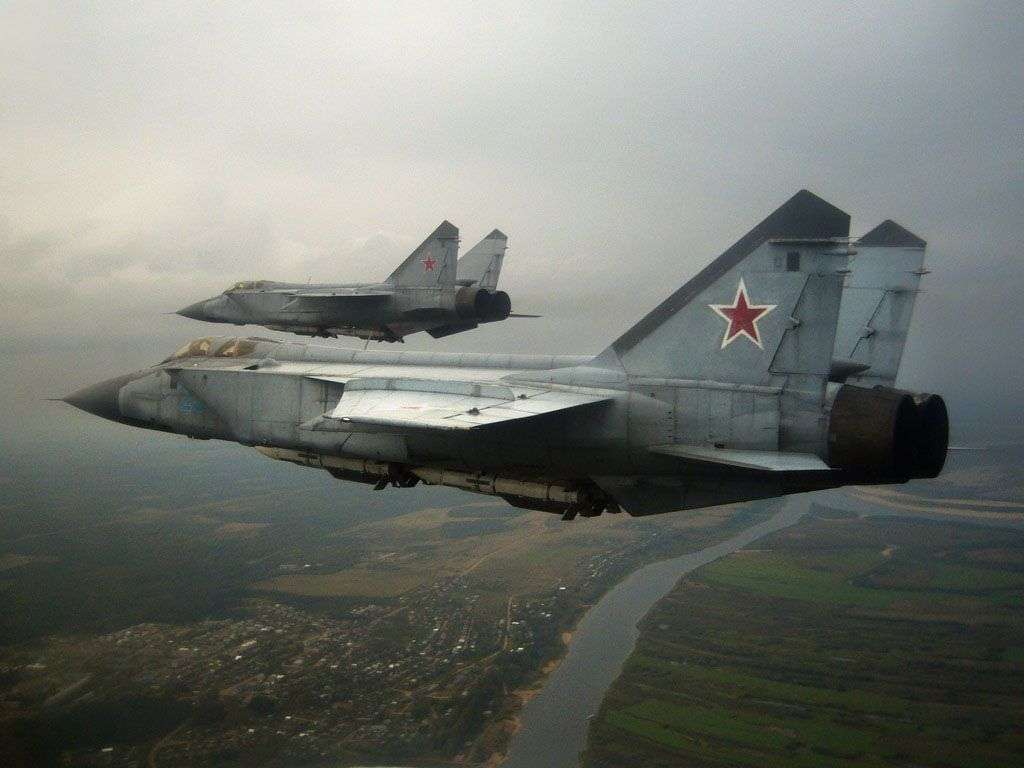
In a significant escalation of regional tensions, NATO forces intercepted three Russian MiG-31 fighter jets that violated Estonian airspace on Friday, September 19, 2025. The incident occurred near Vaindloo Island in the Gulf of Finland, approximately 100 kilometers from Tallinn, and lasted for about 12 minutes. Estonian authorities condemned the breach as an “unprecedentedly brazen” violation of their sovereignty.
According to Estonia’s Ministry of Defence, the Russian aircraft entered its airspace without prior notification, lacked flight plans, had their transponders turned off, and did not respond to air traffic control communications. In response, NATO’s Baltic Air Policing mission, led by Italian F-35 fighter jets stationed in Estonia, scrambled to intercept and escort the Russian jets out of the area.
Estonia has formally requested NATO consultations under Article 4 of the North Atlantic Treaty, which allows member states to seek discussions when their territorial integrity, political independence, or security is threatened. The Estonian government also summoned the Russian chargé d’affaires to the Ministry of Foreign Affairs to lodge a formal protest.
The Russian Ministry of Defence denied the allegations, stating that the MiG-31 jets conducted a scheduled flight from Karelia to Kaliningrad over neutral waters of the Baltic Sea, maintaining a distance of more than three kilometers from Vaindloo Island. Russia asserted that the flight adhered strictly to international aviation laws and did not violate Estonian airspace.
This incident marks the fourth reported airspace violation by Russian aircraft over Estonia in 2025, following similar breaches earlier in the year. It also comes amid heightened concerns over regional security, including recent drone incursions into Polish airspace and the completion of joint Russia-Belarus nuclear readiness exercises.
NATO officials have condemned the Russian actions as “reckless” and reaffirmed the alliance’s commitment to collective defense. The European Union, along with NATO member states, has expressed solidarity with Estonia and called for a united response to Russia’s provocative behavior. Analysts suggest that Russia may be testing NATO’s readiness and unity, particularly amid growing scrutiny of alliance commitments.
As tensions continue to rise, the international community remains vigilant, monitoring developments closely and preparing for potential diplomatic and strategic responses.

