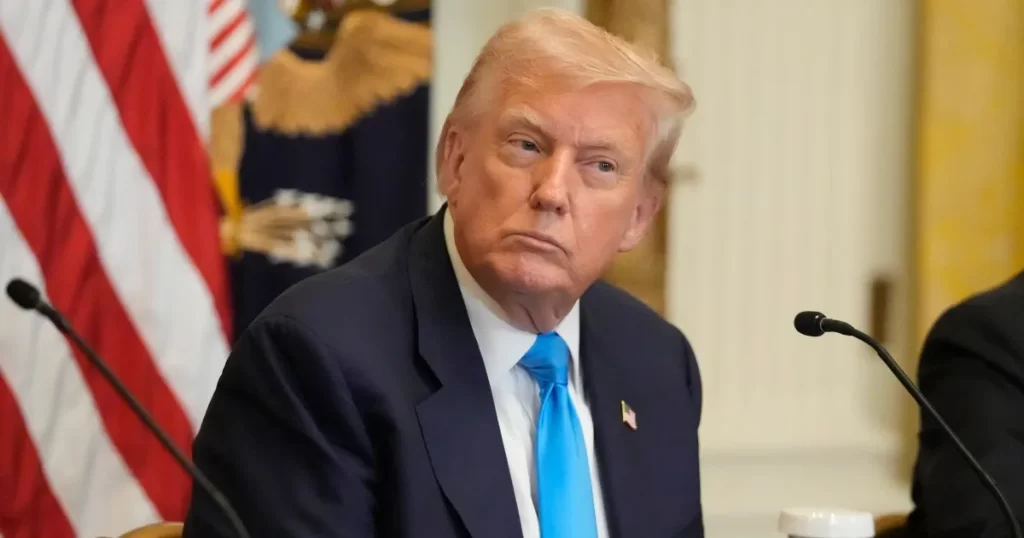
Russian officials have strongly rejected recent comments made by former U.S. President Donald Trump regarding Russia’s economic challenges and military performance in Ukraine, calling them “mistaken” and a mischaracterization of the facts. The remarks came after Trump met Ukrainian President Volodymyr Zelenskyy at the United Nations General Assembly in late September 2025.
During the meeting, Trump asserted that Ukraine has the potential to recover all territories lost to Russia, citing Russia’s current economic difficulties as a crucial factor. He described Russia’s military as a “paper tiger” and urged swift action by Kyiv to capitalize on the perceived vulnerability. Trump’s statements appeared to align with Zelenskyy’s position that continued support from the West is vital for Ukraine’s success.
In response, Kremlin spokesperson Dmitry Peskov criticized Trump’s characterization of the situation as inaccurate. “These comments do not reflect the real state of affairs. Russia’s military remains strong and capable. Such remarks are mistaken and are clearly influenced by Ukrainian narratives,” Peskov said during a briefing. Kremlin sources stressed that Russia’s military operations in Ukraine continue as planned and rejected any suggestion that economic difficulties are significantly impacting defense capabilities.
The comments came in the wake of Zelenskyy’s address at the UN General Assembly, where the Ukrainian leader warned of an emerging “destructive arms race” and called for international regulations on military artificial intelligence and drone warfare. Zelenskyy also criticized what he described as insufficient Western support for Ukraine’s defense efforts, urging stronger aid to counter Russian aggression.
Russia, however, has sought to portray its position differently. Moscow insists that its military strategy is resilient despite economic pressures. The Russian government recently announced an increase in the value-added tax (VAT) from 20% to 22% in an effort to bolster defense and social spending amid a growing budget deficit. Analysts note that while this reflects economic strain, it does not necessarily translate into diminished military capability in the Kremlin’s view.
Experts also note that Trump’s comments may carry political undertones, as they coincide with broader discussions in the United States regarding U.S. support for Ukraine and America’s strategic posture toward Russia. Some analysts interpret Trump’s statements as an attempt to influence U.S. foreign policy discourse ahead of the upcoming election cycle.
The exchange underscores the continuing tension between Washington and Moscow over the war in Ukraine, with each side projecting its own narrative. As the conflict enters its third year, developments in military engagement and economic stability remain critical factors shaping both diplomatic discourse and ground realities.