
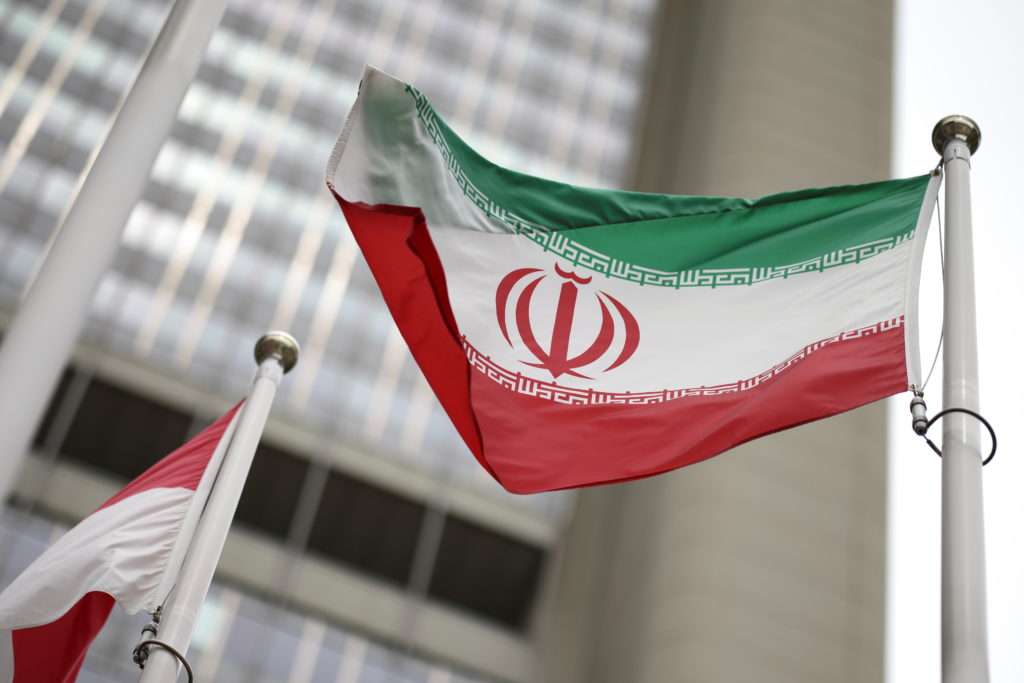
Following the devastating 12-day war with Israel in June 2025, Iran has begun rebuilding its solid-fuel missile production facilities, according to recent satellite imagery and expert analysis. The reconstruction efforts are focused on critical sites, including Parchin and Shahroud, which were heavily damaged during Israeli airstrikes.
The missile program is central to Tehran’s defense strategy, serving as both a deterrent and a strategic tool in regional power projection. Before the conflict, Iran reportedly produced over 200 solid-fuel missiles monthly. The June strikes significantly disrupted this capability, prompting the current reconstruction drive.
Satellite imagery confirms the presence of active construction work at the targeted sites. However, experts warn that Iran’s efforts face a major obstacle: the lack of large planetary mixers essential for solid-fuel production. These mixers are critical for ensuring the quality and stability of missile propellant and were deliberately destroyed during the Israeli operations.
“The absence of planetary mixers presents a significant challenge for Iran’s missile program,” said a defense analyst. “Without them, full-scale production cannot resume at pre-war levels.” Analysts believe Iran may attempt to source these mixers from external suppliers, possibly including China, despite strict international sanctions and export restrictions.
The rebuilding of Iran’s missile capabilities is expected to have far-reaching implications for Middle Eastern security. The United States and its allies have expressed deep concern over the potential resurgence of Iran’s advanced missile program, citing the risk of altering the balance of power in the region. In response, diplomatic efforts are intensifying to prevent further escalation.
Iranian officials have not publicly commented on the extent of the reconstruction or the timeline for restoring production capacity. However, military analysts emphasize that the rebuilding process reflects Tehran’s determination to strengthen its defense posture despite the setbacks suffered during the June war.
The international community is closely monitoring the situation, balancing concerns over regional stability with ongoing diplomatic engagement. As Iran pushes forward with reconstruction, the absence of key equipment like planetary mixers remains a significant barrier, leaving uncertainty over how quickly the country can return to its former missile production capacity.

