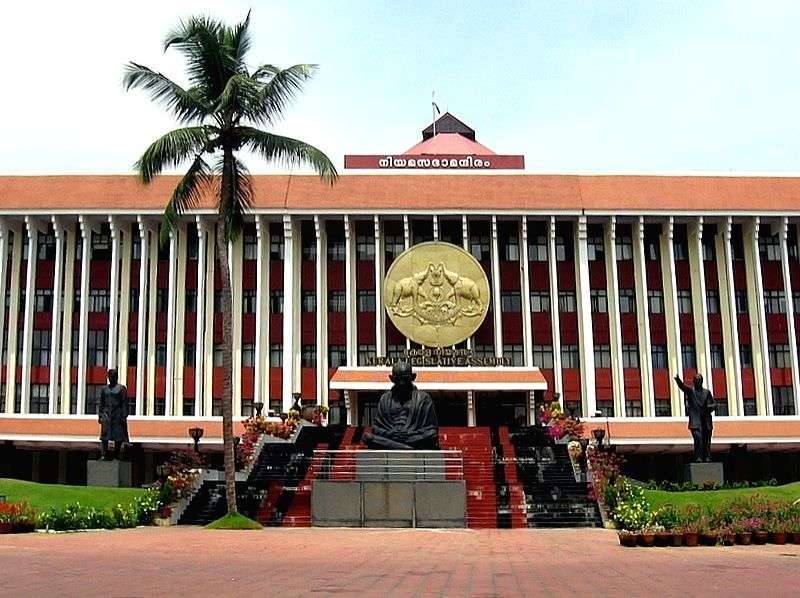
The Kerala Legislative Assembly unanimously passed a resolution opposing the Election Commission of India’s (ECI) decision to carry out a Special Intensive Revision (SIR) of voter lists. The move has sparked widespread debate, with the state government and opposition leaders jointly voicing concerns over the process and its potential implications for democratic rights.
The resolution, moved by Chief Minister Pinarayi Vijayan, condemned the hurried nature of the SIR process, arguing that it could lead to mistakes, exclusion of legitimate voters, and infringement of constitutional rights. Lawmakers stressed that the revision could disproportionately impact marginalized sections of society, including Scheduled Castes (SC), Scheduled Tribes (ST), women, and economically disadvantaged groups.
“This is not just a matter of administrative procedure — it is about safeguarding the democratic rights of citizens. A rushed revision of the electoral rolls without adequate time and public consultation will only compromise transparency and fairness,” said CM Vijayan during the Assembly proceedings.
The Kerala Assembly resolution raised strong objections to the proposed timeline of the SIR, stating that the accelerated process could lead to systemic errors in voter data. Lawmakers pointed out that adequate time is essential to ensure accuracy, particularly given the large number of voters involved in the process. Opposition leaders, including those from the United Democratic Front (UDF), supported the resolution, marking a rare moment of bipartisan consensus in the Assembly. UDF leader V.D. Satheesan stated, “Democracy thrives on inclusiveness. If voters are excluded due to a hurried process, it undermines the very foundation of representative governance.”
The resolution also emphasized the need for comprehensive public awareness campaigns to ensure citizens understand the revision process and can verify their entries in the voter list. Beyond procedural concerns, some legislators alleged that the SIR could be a preliminary step toward a larger, more controversial exercise akin to a National Register of Citizens (NRC). They warned that such measures could have long-term implications for citizenship verification and electoral rights, particularly for vulnerable populations. “The people of Kerala must not be subjected to arbitrary measures that threaten their constitutional rights,” the resolution noted, urging the Election Commission to reconsider the SIR process and allow adequate time for public scrutiny.
The resolution has been forwarded to the Election Commission of India for consideration. While the Assembly’s decision is non-binding, it sends a strong political message about the concerns surrounding the SIR process. The Election Commission has maintained that the SIR is aimed at improving the accuracy of electoral rolls ahead of upcoming elections. However, the Kerala Assembly’s unanimous stance underscores growing political resistance to the initiative, especially in states with diverse demographics and significant marginalized populations. As the debate unfolds, the resolution has already sparked wider discussions on electoral reforms, voter rights, and the balance between efficiency and fairness in democratic processes. The coming weeks are likely to see further political and legal exchanges between the state government and the Election Commission.