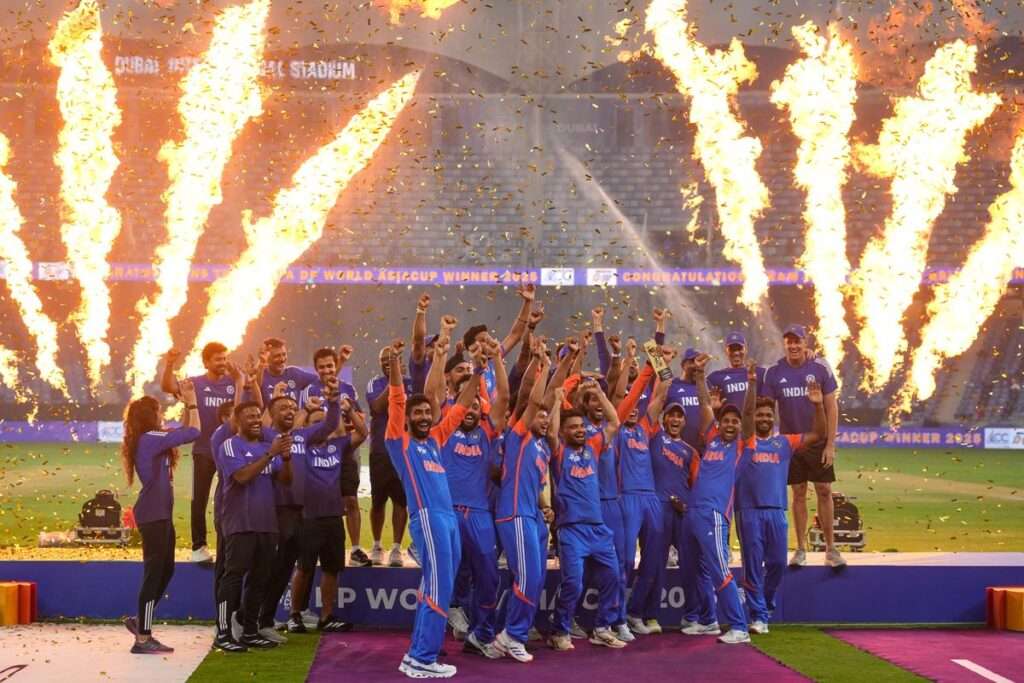
India’s historic triumph over Pakistan in the Asia Cup 2025 final was overshadowed by an unprecedented controversy as the Indian players refused to accept the trophy from Asian Cricket Council (ACC) President and Pakistan’s Interior Minister Mohsin Naqvi. The dramatic events at the Dubai International Cricket Stadium on September 28 have triggered a major standoff between the Board of Control for Cricket in India (BCCI) and the ACC, with the BCCI confirming that it will lodge a strong protest with the International Cricket Council (ICC).
India defeated Pakistan in a closely contested match to secure their ninth Asia Cup title, but the victory celebrations were marred by political undertones. When the time came for the presentation ceremony, the Indian team collectively declined to receive the trophy from Naqvi, citing his controversial role as both a political figure in Pakistan and the head of the ACC. This refusal delayed the ceremony, leading to chaotic scenes on the podium. According to eyewitnesses, Indian officials requested that an Emirates Cricket Board representative conduct the presentation, but the request was denied. Naqvi then ordered the trophy and medals to be removed from the stage, cutting the ceremony short and leaving players to celebrate without the championship silverware.
The Indian team, undeterred, staged symbolic celebrations, lifting an “imaginary trophy” in front of fans while acknowledging individual awards presented by match officials. Captain Suryakumar Yadav later voiced his disappointment, saying the players felt “denied” of the moment they had worked so hard for. “We deserved to lift the trophy in front of our supporters. Unfortunately, circumstances did not allow that,” he said at the post-match press conference.
The refusal has deep political and diplomatic undertones, with India and Pakistan sharing a history of strained relations. Throughout the tournament, Indian players had avoided customary handshakes with their Pakistani counterparts, signaling unease beyond the cricketing field. The trophy standoff, however, has taken the situation to an unprecedented level, prompting sharp reactions from both sides. Pakistan captain Salman Agha labeled the move “disrespectful to the spirit of the game,” while former skipper Shoaib Malik said India would “regret” the decision, arguing that cricket should remain above politics.
The BCCI has strongly defended its players’ stance, stating that the actions were prompted by Naqvi’s alleged provocative social media activity and his conduct during the tournament. Senior board officials confirmed that a formal protest would be lodged with the ICC during its upcoming conference, where the issue of neutrality in administrative roles is likely to be raised. The BCCI is expected to demand greater transparency and impartiality from global cricketing bodies to avoid similar controversies in the future.
The incident has sparked heated debate among fans and experts alike. Supporters of the Indian team have hailed the refusal as a bold stand against perceived politicization of cricket, while critics argue that players should have separated sporting duties from diplomatic disputes. The episode has also raised serious questions about the ACC’s functioning under Naqvi’s leadership and whether political affiliations should be allowed to overlap with cricket administration.
While India emerged as champions on the field, the absence of an official trophy celebration has cast a shadow over the achievement. The controversy is likely to have long-term implications for cricketing relations in the region, as the BCCI presses its case internationally. As the dust settles, the Asia Cup 2025 may be remembered not only for India’s victory but also for one of the most dramatic and politically charged moments in the tournament’s history.