
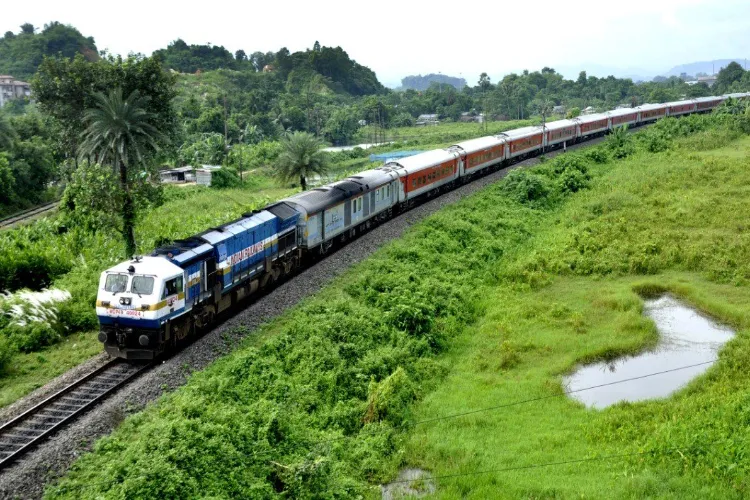
In a historic development aimed at strengthening bilateral ties and enhancing regional connectivity, India and Bhutan have officially announced the construction of two new cross-border railway links. The move marks a significant milestone as it will introduce Bhutan’s first-ever railway network, connecting the Himalayan kingdom to India’s extensive rail infrastructure.
The announcement comes as part of ongoing efforts to deepen cooperation between the two nations in infrastructure, trade, and economic development. According to officials, the proposed railway links will not only facilitate cross-border movement of goods and people but also create new opportunities for trade, tourism, and cultural exchange.
The first railway link will connect Kokrajhar in Assam to Gelephu in Bhutan, covering approximately 57 kilometers. This route is expected to serve as a vital gateway for Bhutan, offering seamless access to India’s northeastern states and beyond. The second link will extend from Banarhat in West Bengal to Samtse in Bhutan, further strengthening connectivity between the two countries. Both projects will be executed under India’s support, with feasibility studies and technical planning already underway.
Experts believe the new railway lines will be a game-changer for Bhutan’s economy. Currently, Bhutan relies heavily on road networks for imports and exports, which often face logistical challenges due to the country’s mountainous terrain. The railway infrastructure will significantly reduce transportation costs and transit times, boosting bilateral trade and improving supply chain efficiency.
For India, the initiative aligns with its “Neighbourhood First” and “Act East” policies, emphasizing enhanced connectivity with neighboring countries to foster regional integration. The strategic location of the railway links also holds geopolitical importance, as it strengthens India’s presence in the eastern Himalayan region while countering external influences.
Tourism, one of Bhutan’s major economic drivers, is also set to benefit from the railway connectivity. Easier access for Indian and international tourists traveling via India is expected to encourage higher tourist inflows, providing a significant boost to Bhutan’s sustainable tourism sector. Additionally, the improved infrastructure could encourage investments in allied industries, such as hospitality, logistics, and trade services.
Both governments have highlighted the environmental considerations of the project, given Bhutan’s strong commitment to ecological preservation and carbon neutrality. Authorities have assured that the railway development will follow environmentally sustainable practices to minimize ecological impact while ensuring socio-economic benefits.
The India-Bhutan railway links also symbolize the deep-rooted friendship between the two countries. Over the years, India has been Bhutan’s largest trade partner and development ally, assisting in hydropower projects, infrastructure development, and capacity building. The railway initiative further underscores India’s role as a trusted partner in Bhutan’s growth journey.
As construction progresses, the projects are expected to reshape connectivity in the eastern Himalayan region. Once operational, Bhutan’s first-ever railway network will not only mark a historic transformation for the kingdom but also reinforce the shared vision of prosperity and integration between India and Bhutan.

