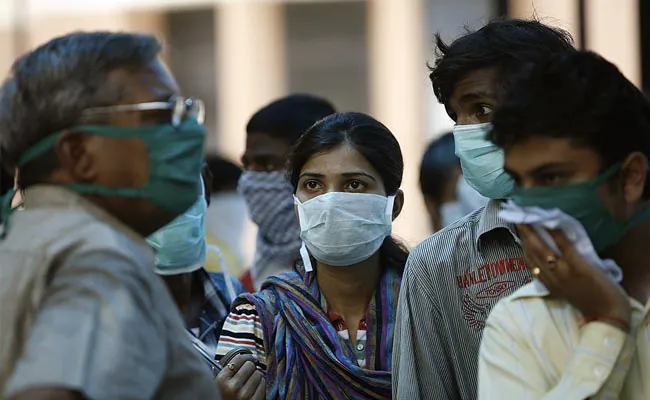
Health authorities in the National Capital Region (NCR) have issued alerts following a sharp rise in cases of cough, fever, and flu-like illnesses linked to the H3N2 influenza virus. The advisory covers Delhi, Noida, and Gurgaon, where hospitals and clinics have reported a steady influx of patients showing viral symptoms over the past two weeks.
According to a recent survey conducted by community platform LocalCircles in September 2025, nearly 70% of households in the NCR region had at least one family member experiencing viral, flu-like, or COVID-like symptoms. The findings have heightened concerns about the spread of H3N2, a subtype of the influenza A virus, which has been circulating widely during this season.
Doctors across private and government hospitals have confirmed a noticeable uptick in outpatient visits related to respiratory infections. “Most patients are reporting high-grade fever, persistent cough, body aches, and throat irritation. While many cases are mild, those with pre-existing conditions such as asthma, diabetes, and heart disease are at greater risk of complications,” said a senior physician at Safdarjung Hospital.
The Indian Council of Medical Research (ICMR) has urged citizens to exercise caution, noting that H3N2 infections tend to spread more easily in densely populated urban areas. The advisory recommends avoiding crowded spaces, practicing proper hand hygiene, and wearing masks in public, especially for vulnerable groups such as children, the elderly, and individuals with chronic illnesses.
Pharmacies in parts of Delhi and Gurgaon have also reported increased demand for over-the-counter medications to treat fever, sore throat, and body pain. While many residents initially suspected COVID-19, testing centers have confirmed that the majority of recent cases are influenza-related rather than coronavirus infections.
Public health experts warn that seasonal flu outbreaks like H3N2 can strain healthcare systems if not managed effectively. “Delhi-NCR is a high-density region, and viral infections tend to peak quickly. The government must ensure adequate hospital preparedness, vaccination drives, and public awareness campaigns to limit the spread,” said Dr. Anjali Mehra, a public health specialist.
In response, state health departments have ramped up monitoring efforts and directed hospitals to report daily case data. Residents have been advised to seek medical attention if symptoms persist beyond three days or if breathing difficulties develop. Officials have also emphasized the importance of influenza vaccination as a preventive measure.
The current spike in viral illnesses comes at a time when pollution levels in Delhi-NCR are beginning to rise with the onset of the post-monsoon season. Experts caution that poor air quality may further exacerbate respiratory illnesses, creating additional challenges for healthcare providers.
As Delhi, Noida, and Gurgaon remain on alert, authorities are urging residents not to panic but to stay vigilant. With timely precautions, early treatment, and public cooperation, the impact of the H3N2 influenza outbreak can be contained.