
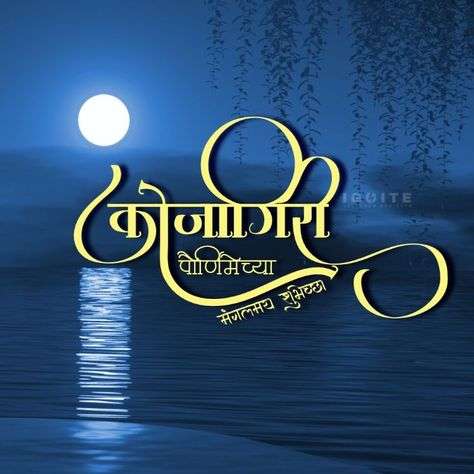
On October 6, 2025, devotees across India will observe Kojagiri Purnima, also known as Sharad Purnima or Kojagara Lakshmi Puja. This auspicious occasion, celebrated on the full moon night of the Hindu lunar month of Ashwin, is dedicated to Goddess Lakshmi, the deity of wealth and prosperity. It is believed that on this night, Goddess Lakshmi roams the earth, bestowing blessings upon those who remain awake in devotion.
Rituals and Traditions
1. Fasting (Vrat):
Devotees commence the day with a fast, abstaining from food and water. The fast is broken after moonrise, following the evening prayers and rituals. This practice symbolizes purity and devotion, preparing the devotee to receive divine blessings.
2. Night Vigil (Jagran):
A significant aspect of Kojagiri Purnima is the night-long vigil. Devotees stay awake, engaging in prayers, singing bhajans, and reading sacred texts like the Ramayana or Lakshmi Stotras. This vigil is believed to invite Goddess Lakshmi into one’s home, ensuring prosperity and well-being.
3. Lighting Lamps:
Homes are illuminated with numerous lamps or diyas. The light symbolizes the dispelling of darkness and ignorance, making way for knowledge and prosperity. Lighting lamps is also a gesture of welcoming Goddess Lakshmi.
4. Offering Kheer Under Moonlight:
A unique tradition involves preparing rice kheer (a sweet dish made from rice and milk) and placing it under the open sky during moonlight hours. This kheer absorbs the moon’s cooling and nourishing energy, believed to enhance its nutritional and spiritual properties. The next morning, the kheer is consumed as prasad, symbolizing the blessings of the goddess.
5. Performing Chandra Puja:
At moonrise, devotees perform Chandra Puja by offering water, rice, and flowers to the full moon. This act is a mark of reverence to the moon, which is considered to possess healing properties on this particular night.
Significance and Beliefs
Kojagiri Purnima marks the end of the monsoon season and the beginning of the harvest period. The full moon is believed to emit all sixteen “Kala(s),” representing spiritual completeness, wellness, and abundance. Devotees believe that by observing the rituals with sincerity, they can invoke the blessings of Goddess Lakshmi, leading to prosperity, good health, and peace.
In regions like Braj, the night is also associated with Lord Krishna’s Raas Leela, where he is believed to have danced with the gopis under the full moon, symbolizing divine love and devotion. This connection adds a layer of spiritual depth to the observance, intertwining devotion to Goddess Lakshmi with the celebration of divine love.
Conclusion
Kojagiri Purnima is not just a festival but a spiritual journey that combines devotion, tradition, and belief. Through fasting, night vigils, lighting lamps, offering kheer under the moonlight, and performing Chandra Puja, devotees seek to invite prosperity and divine blessings into their lives. As the full moon graces the night sky, it serves as a reminder of the eternal light of knowledge and the promise of abundance that comes with sincere devotion.

