
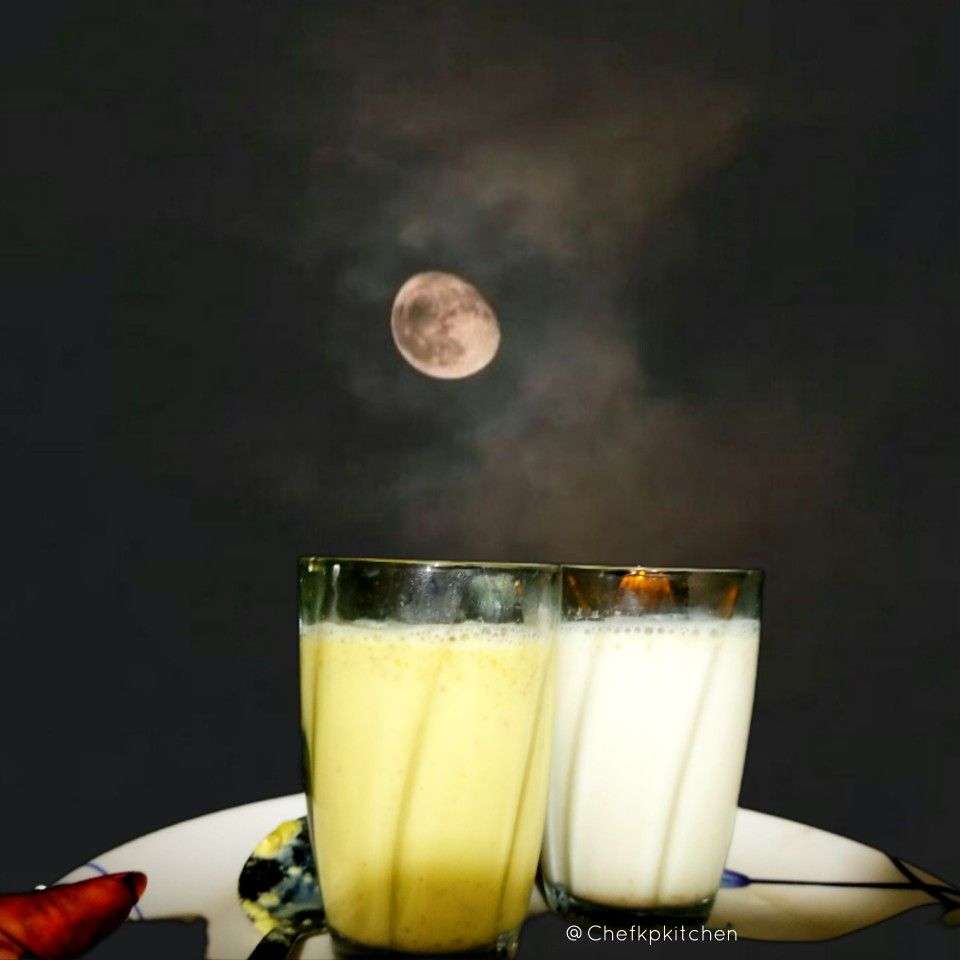
Kojagiri Purnima, also known as Sharad Purnima, is a revered festival celebrated on the full moon night of the Hindu lunar month of Ashvin. This auspicious occasion, observed on October 6, 2025, holds profound cultural and spiritual significance across India, particularly in regions like Maharashtra, Gujarat, Bihar, and Bengal. The night is marked by unique rituals, most notably the tradition of preparing rice kheer and placing it under the moonlight to absorb its divine energy.
The Mystical Moonlight of Sharad Purnima
According to Hindu beliefs, the full moon on Sharad Purnima is exceptionally powerful, radiating all sixteen kalas (phases), symbolizing completeness and divine energy. Astrologically, this night is considered the brightest full moon of the year, believed to shower the earth with divine nectar, enhancing health, prosperity, and spiritual well-being.
The moon’s rays are thought to possess healing properties, purifying both the body and mind. Devotees engage in various practices to harness these energies, including fasting, night vigils, and worship of Goddess Lakshmi, the deity of wealth and prosperity.
The Tradition of Moonlit Kheer
A central ritual of Sharad Purnima involves preparing rice kheer—a sweet pudding made with rice, milk, sugar, and dry fruits—and placing it under the moonlight overnight. This practice is rooted in the belief that the moon’s rays imbue the kheer with medicinal and healing properties, transforming it into a sacred offering that bestows blessings and good health upon its consumers.
The preparation of kheer is done with great care, often using ingredients like holy water and silver utensils, which are believed to enhance the kheer’s purity and potency. The kheer is then consumed the following morning as prasad, symbolizing the receipt of divine blessings.
Cultural and Regional Variations
While the tradition of placing kheer under the moonlight is widely observed, regional customs add unique flavors to the celebration. In the Brij region, for instance, Sharad Purnima is associated with Lord Krishna’s Raas Leela, and devotees prepare various dairy-based dishes, including kheer, to honor the occasion.
In other parts of India, such as Maharashtra and Gujarat, the festival is celebrated as Kojagiri Purnima, with rituals that include fasting, night vigils, and the preparation of special foods. The common thread among these diverse practices is the reverence for the full moon and the belief in its divine influence on health and prosperity.
Conclusion
Kojagiri Purnima is more than just a festival; it is a celebration of the harmonious relationship between nature and spirituality. The practice of placing kheer under the moonlight serves as a reminder of the nurturing power of the cosmos and the importance of aligning oneself with its rhythms. As devotees partake in this sacred tradition, they not only honor ancient customs but also connect with a timeless belief in the healing and transformative power of the moon.
This year, as the full moon graces the night sky, may the divine light illuminate our paths, bringing health, prosperity, and spiritual fulfillment to all.

