
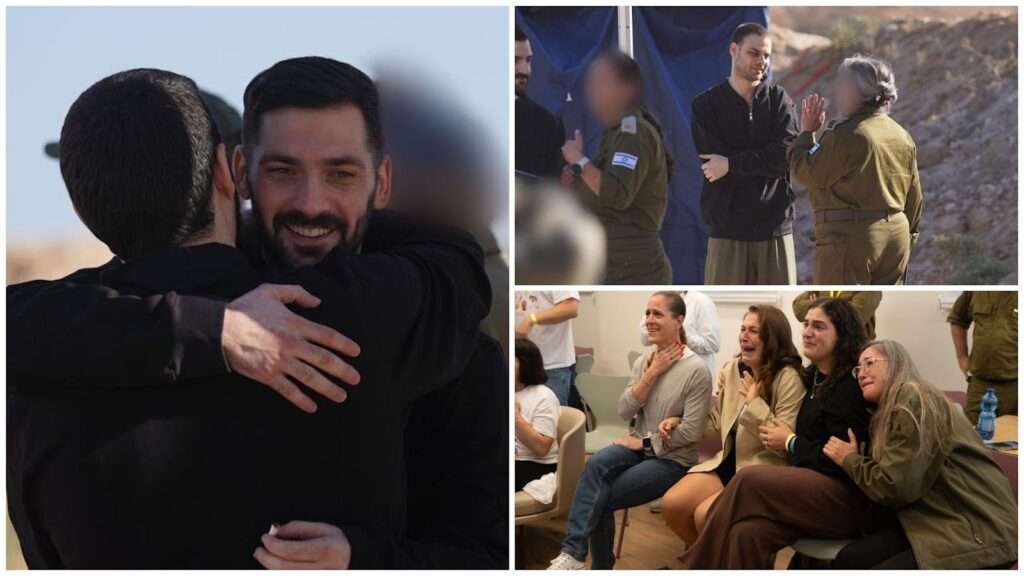
In a historic turn of events, Hamas on Monday, October 13, 2025, released the final 20 living Israeli hostages as part of a U.S.-brokered ceasefire agreement with Israel. The announcement brings a dramatic pause to more than two years of intense conflict in Gaza and marks a pivotal moment in efforts to secure a lasting peace in the region.
The release of the 20 living hostages was a cornerstone of the ceasefire agreement. In exchange, Israel committed to freeing nearly 2,000 Palestinian prisoners and detainees, including those held since the outset of hostilities in 2023. The prisoner exchange is part of a phased approach to implementing the truce, which also calls for humanitarian access to Gaza and partial Israeli troop withdrawal.
U.S. President Donald Trump, who played a central role in brokering the deal, addressed the Israeli Knesset following the release, urging that military gains be converted into durable peace. He later flew to Egypt to co-host a summit aiming to consolidate the ceasefire agreement among more than 20 nations.
Scenes of emotional reunions dominated news coverage as released hostages returned to Israeli territory. Families embraced loved ones in Tel Aviv’s “Hostage Square,” a symbolic site of protest and hope. The hostages were handed over via coordination with the Red Cross, ensuring an orderly recuperation process in medical facilities.
At the same time, officials and observers cautioned that uncertainty remains. Only a few of the remains of deceased hostages were returned initially, sparking criticism and calls for full adherence to the agreement terms. The ceasefire, while celebrated globally, still faces several strategic and political challenges.
One immediate challenge is ensuring Hamas’s disarmament and restructuring governance in Gaza. Meanwhile, Israel must manage the partial withdrawal of its forces while ensuring that the truce holds and reconstruction begins. International actors including Egypt, Qatar, and Turkey are expected to monitor compliance, provide guarantees, and facilitate reconstruction and humanitarian aid to Gaza. At a summit convened in Sharm el-Sheikh, world leaders are poised to support the next phase in the peace process.
The release of the final 20 living Israeli hostages under the ceasefire deal is a watershed moment in the Israel-Gaza conflict, signaling a potential path toward stability after years of bloodshed. Yet, the durability of the truce hinges on strict compliance, disarmament negotiations, and broad international cooperation. As leaders gather in Egypt to cement the agreement, all eyes remain on how the parties will translate this fragile peace into lasting reconciliation and reconstruction.

