
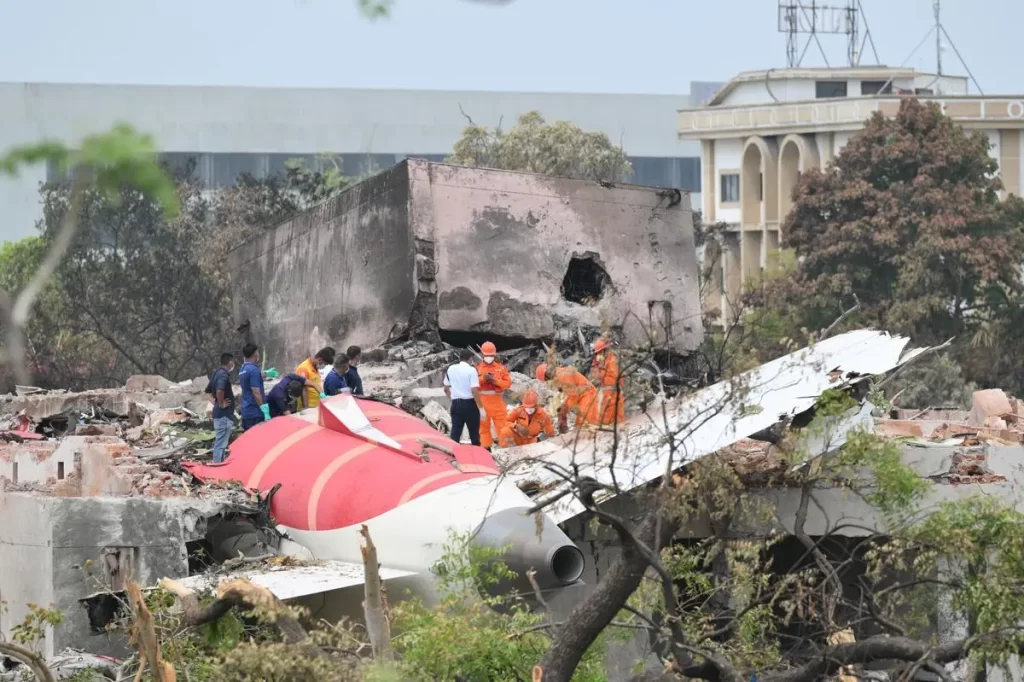
In a major development in the investigation of the June 2025 crash of the Air India Boeing 787-800 near Ahmedabad, the Supreme Court of India has publicly stated that the preliminary report does not insinuate any direct fault or blame against the pilot in command. The Court has also scheduled a key hearing on November 10 to decide on whether an independent, judicially-monitored investigation will be ordered.
During the hearing of the petition filed by 91-year-old Pushkar Raj Sabharwal, father of the late Captain Sumeet Sabharwal, the Supreme Court bench observed that “nobody can blame him for anything,” stressing that the preliminary investigation report had not held the pilot responsible. The fact that the court felt the need to reassure the family underscores deep concerns about both transparency and fairness in the investigation.
The bench further emphasised that media reports—especially from foreign outlets—should not prejudice the legal process. One of the judges described certain reporting as “nasty” and added that the domestic legal process must depend on facts and evidence, not speculation.
On June 12, 2025, the Air India flight from Ahmedabad to London crashed shortly after take-off, resulting in the deaths of 260 people, including 19 on the ground. The preliminary report by the Aircraft Accident Investigation Bureau (AAIB) revealed that the aircraft’s engine fuel-control switches nearly simultaneously moved from “RUN” to “CUTOFF” after take-off — a highly unusual occurrence.
Pilot error had been implicitly suggested in media commentary and by some stakeholders, but the Court’s remarks now counter that narrative by stating there is no suggestion of fault in the report. This clarification has brought relief to the family of the deceased pilot and to the aviation community, which had expressed concerns about speculative conclusions in the early stages of the investigation.
The petition presented by Pushkar Raj Sabharwal seeks a judicially monitored independent investigation, headed by a retired Supreme Court judge and expert aviation professionals, arguing that the current probe may suffer from conflicts of interest because regulatory officials are involved. The Supreme Court has issued notices to the Union government, the Directorate General of Civil Aviation (DGCA) and other authorities, and the matter is next scheduled for hearing on November 10, 2025.
At the upcoming hearing, the Court may decide whether to appoint an independent judicial committee for the probe, set timelines for disclosure and transparency of findings, and issue directions to ensure that the investigation remains free from bias or conflict. Analysts suggest that this could mark a significant shift in how India handles aviation disasters and oversight, potentially influencing future safety protocols and accountability standards.
The Court’s reassurance that the pilot is not being blamed helps restore confidence among aviation professionals and victims’ families alike. However, the demand for an independent investigation reflects broader concerns about aviation safety governance in India, including the need for regulatory oversight and transparency. If an independent probe is initiated, it could set a precedent for how future airline accidents are handled, particularly those involving major aircraft manufacturers such as Boeing.
For the public, a transparent investigation and credible findings are essential to rebuilding trust in both the airline operator and the regulatory apparatus. The outcome of this case may influence policy, regulatory reform and international perception of India’s aviation safety standards.
The Supreme Court’s clear statement that the pilot of the June 2025 Air India crash is not being blamed, combined with the upcoming November 10 hearing on an independent investigation, mark key milestones in the unfolding saga. As stakeholders await further clarity, what remains certain is that the transparency and integrity of the investigation will be as crucial as its technical conclusions. The decisions taken now will shape not only the resolution of this tragedy but also the future of aviation accountability and safety in India.

