
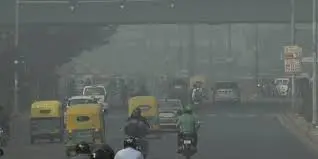
In a significant move to combat the worsening air quality and manage vehicular congestion in the national capital, the Delhi government has announced new staggered office timings effective from November 15, 2025, until February 15, 2026. The decision aims to ease rush-hour traffic, reduce vehicular emissions, and mitigate the impact of winter smog that plagues the city every year.
Revised Timings for Government Offices
| Office Type | New Timings (Effective Nov 15, 2025) | Old Timings |
|---|---|---|
| Delhi Government Offices | 10:00 a.m. – 6:30 p.m. | 9:30 a.m. – 6:00 p.m. |
| MCD Offices | 8:30 a.m. – 5:00 p.m. | 9:00 a.m. – 5:30 p.m. |
| Central Government Offices | 9:00 a.m. – 5:30 p.m. | N/A |
Purpose Behind the Policy Change
Delhi Chief Minister Rekha Gupta announced the revised schedule as part of a comprehensive winter action plan to control air pollution. The move addresses a long-standing concern that the minimal time gap between office opening and closing hours causes heavy traffic congestion during peak hours. This congestion, in turn, contributes significantly to rising pollution levels across the capital.
By introducing a wider time gap between the working hours of various government departments, the Delhi administration aims to spread out the movement of vehicles throughout the day. This approach is expected to reduce pressure on roads during critical rush periods and minimize the accumulation of vehicular emissions in the city’s atmosphere.
Delhi’s Air Pollution Context
Each winter, Delhi witnesses a sharp decline in air quality due to multiple factors — including vehicular emissions, construction dust, and stubble burning in neighbouring states. Weather patterns such as low wind speeds and temperature inversion further trap pollutants close to the ground, leading to persistent smog conditions.
According to environmental experts, nearly 40% of Delhi’s particulate pollution during winter can be attributed to vehicular emissions. The government’s staggered office timing initiative is therefore seen as a proactive step to tackle one of the city’s major pollution sources while simultaneously improving traffic flow efficiency.
Complementary Measures and Monitoring
The revised schedule forms part of a broader set of anti-pollution initiatives, including enhanced vehicle checks, deployment of anti-smog guns, restrictions on construction dust, and intensified street-cleaning operations. The Delhi Traffic Police and Transport Department will monitor the effects of the timing changes on traffic density and air quality over the winter season.
If the initiative proves effective, the government may consider extending the policy or adapting it for future years. Officials have stated that data-driven assessment will guide any long-term implementation.
The Delhi government’s introduction of staggered office hours marks an innovative attempt to reduce pollution through behavioural and administrative intervention. By altering daily mobility patterns and easing peak traffic loads, the initiative seeks to deliver measurable improvements in air quality during the city’s most polluted months. Whether this strategy leads to a tangible reduction in emissions will depend on its enforcement, public cooperation, and continued alignment with broader environmental policies.

