As the campaign for the 2025 Bihar Assembly elections officially concludes, all eyes turn to November 11 — the final day of polling that will decide the fate of 122 constituencies across the state. The two-phase election, which began earlier this month, has witnessed intense political engagement, with unemployment and civic infrastructure emerging as the defining issues shaping public sentiment.
The Election Commission has confirmed that all campaign activities ended 48 hours before the final polling date, marking the close of a highly charged electoral season. With political rallies, roadshows, and door-to-door canvassing now halted, parties are counting on their ground-level strategies to convert enthusiasm into votes.
Throughout the campaign, unemployment — particularly youth joblessness — became a central talking point across party lines. Bihar, one of India’s most populous states, continues to face high levels of outmigration due to limited local employment opportunities. Political leaders, including those from the ruling and opposition alliances, promised major job creation drives, skill development programs, and industrial investments to attract young voters. Analysts noted that the employment issue has resonated deeply with first-time voters, who comprise a significant portion of the electorate in the 2025 polls.
Civic infrastructure and basic amenities were also key themes in the campaign narrative. In several constituencies, residents voiced frustration over recurring issues such as poor roads, unreliable electricity supply, water scarcity, and sanitation lapses. Parties made targeted promises to address these challenges, pledging urban renewal projects, expanded welfare schemes, and greater accountability in local governance.
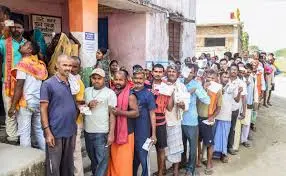
The first phase of polling, held earlier this month, reportedly saw a moderate voter turnout, reflecting both urban apathy and strong participation in rural regions. Election observers expect similar or higher turnout in the second phase, particularly in districts where competitive contests are anticipated. Authorities have deployed additional security personnel across sensitive areas to ensure peaceful and transparent polling.
Political analysts suggest that the final outcome will likely hinge on voter perceptions of governance performance versus promises of change. The ruling alliance, which has emphasized stability and continuity, faces strong competition from opposition coalitions promising a new approach to development and governance. The results, expected later this month, are poised to shape Bihar’s political landscape for the coming years.
As the state prepares for the decisive second phase, the prevailing mood among voters reflects a mix of hope and skepticism. With unemployment and civic development at the forefront, Bihar’s electorate appears ready to demand accountability and tangible progress from whichever government emerges victorious.