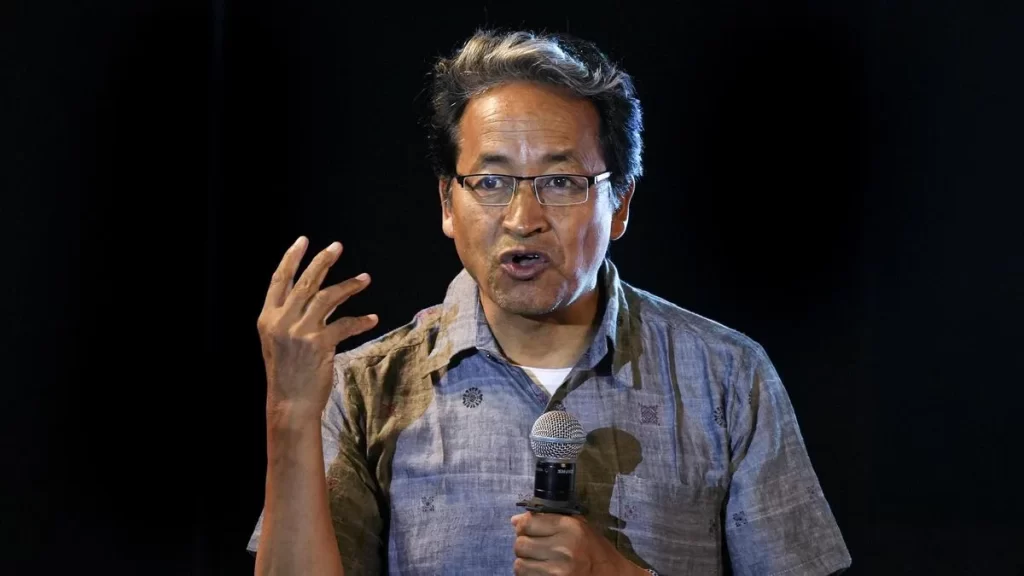
The Supreme Court of India has once again postponed the hearing on the plea challenging the detention of renowned climate activist Sonam Wangchuk under the National Security Act (NSA), 1980. The petition, filed by Wangchuk’s wife, contests the legality of his detention and raises questions about preventive detention laws, civil liberties, and the rights of activists in India. The next hearing has been scheduled for December 8, 2025.
Key Developments and Legal Background:
- Sonam Wangchuk was detained under the NSA on September 26, 2025, shortly after violent protests in Ladakh resulted in four deaths and around 90 injuries. The protests were driven by demands for statehood and inclusion of Ladakh under the Sixth Schedule.
- His wife, Gitanjali J Angmo, filed a habeas corpus petition in the Supreme Court, later amended to challenge the grounds and procedure of his detention, terming it “illegal and arbitrary” and a violation of his fundamental rights.
- The Supreme Court directed responses from the Centre and the Ladakh Union Territory administration on the amended petition.
- On November 24, 2025, the Supreme Court bench deferred the hearing to December 8, after the Solicitor‑General requested more time to respond to the petitioner’s rejoinder.
Significance of the Case:
This case carries implications for civil liberties, activism, and regional governance:
- Preventive detention and civil liberties: The challenge raises concerns about the use of the NSA, which allows detention without trial for up to 12 months in certain cases. The petitioner alleges that statutory safeguards under the NSA were not respected, including timely communication of detention grounds.
- Activism and dissent: Wangchuk is a high-profile activist, known for environmental innovations in Ladakh and advocacy for constitutional protections for the region. Supporters view his detention as part of a broader pattern of targeting dissent. The petition contends that the detention is based on “stale FIRs, vague imputations and speculative assertions.”
- Regional stability and governance: The September protests highlighted demands for statehood, Sixth Schedule safeguards, and local employment rights. Detaining a prominent figure like Wangchuk amid unrest raises questions about how the Centre and Union Territory administrations engage with civil society and local demands.
- Judicial oversight: The Supreme Court’s handling of the case will test its role in preventive detention jurisprudence, especially regarding protection of rights under Articles 14, 19, and 21 of the Constitution.
Key Dates and Events
| Date | Event |
|---|---|
| 26 Sept 2025 | Sonam Wangchuk detained under NSA following Ladakh protests. |
| 29 Oct 2025 | Supreme Court directs Centre and Ladakh UT administration to respond to amended petition. |
| 24 Nov 2025 | Supreme Court defers hearing to December 8, 2025. |