
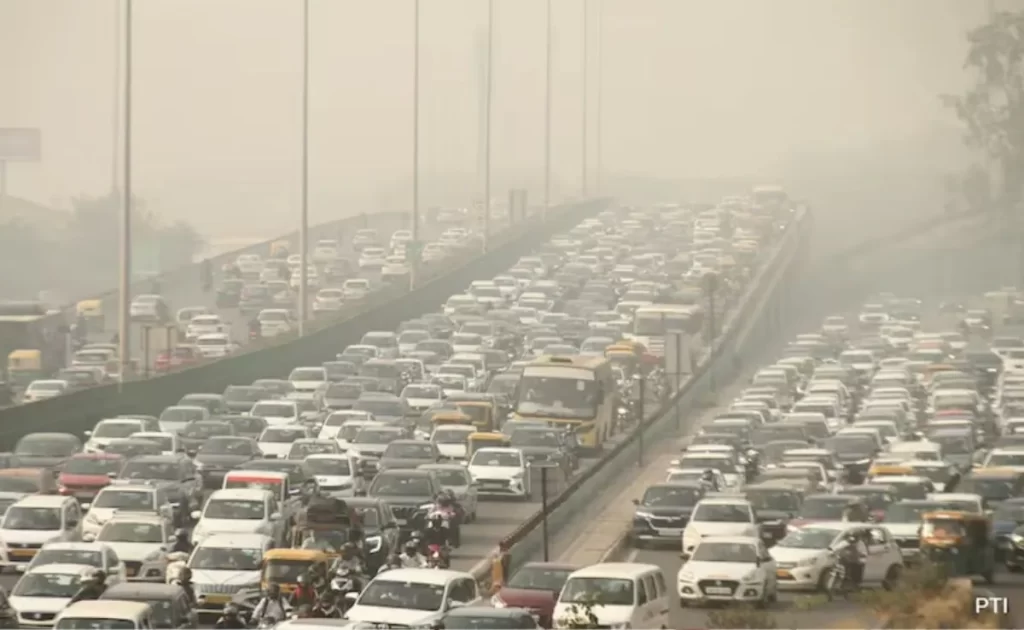
Confronted with a sharp deterioration in air quality, the Delhi government has activated Graded Response Action Plan (GRAP) Stage IV, the most stringent set of anti-pollution measures, after the Air Quality Index (AQI) crossed 450, placing the national capital in the “Severe Plus” category. The emergency curbs, effective immediately, aim to arrest hazardous pollution levels that pose serious risks to public health and urban mobility.
A City Under Emergency Curbs
GRAP Stage IV is triggered only when air pollution reaches crisis proportions. With toxic particulate matter blanketing the region, authorities have moved swiftly to reduce emissions from vehicles, construction, and industrial sources. The measures reflect a zero-tolerance approach designed to provide immediate relief while longer-term strategies are reinforced.
Health experts have repeatedly warned that exposure to Severe Plus AQI can exacerbate respiratory and cardiovascular conditions, particularly among children, the elderly, and those with pre-existing illnesses. Hospitals have been advised to remain alert, while citizens are urged to limit outdoor activities.
Key Measures Under GRAP Stage IV
To ensure clarity and compliance, the government has outlined a comprehensive set of restrictions:
| Sector | Measures Implemented |
|---|---|
| Transport | Ban on non-essential diesel trucks; restrictions on BS-III petrol and BS-IV diesel vehicles |
| Construction | Complete halt on construction and demolition activities |
| Industry & Power | Closure of non-essential polluting industries; suspension of diesel generator usage |
| Education & Work | Advisory for schools to consider hybrid or online classes; promotion of work-from-home |
| Public Health | Enhanced medical preparedness; advisories against outdoor exertion |
These steps are expected to significantly cut emissions from major pollution contributors while safeguarding public health.
Enforcement and Compliance
Strict enforcement mechanisms have been put in place, with traffic police, municipal bodies, and environmental agencies coordinating to ensure adherence. Penalties for violations have been intensified, signaling the administration’s resolve to prioritize clean air over short-term economic activity. Real-time monitoring and rapid response teams will assess compliance across districts.
Economic and Social Impact
While the measures are necessary, they come with economic implications. Construction slowdowns, transport restrictions, and industrial closures may disrupt livelihoods. However, officials emphasize that the costs of inaction—ranging from public health emergencies to long-term productivity losses—are far greater.
Looking Ahead: A Call for Sustained Action
The activation of GRAP Stage IV underscores the recurring challenge of winter pollution in Delhi-NCR. Authorities stress that emergency responses must be complemented by sustained structural reforms, including cleaner fuels, expanded public transport, dust control, and regional coordination to manage stubble burning and meteorological factors.

