
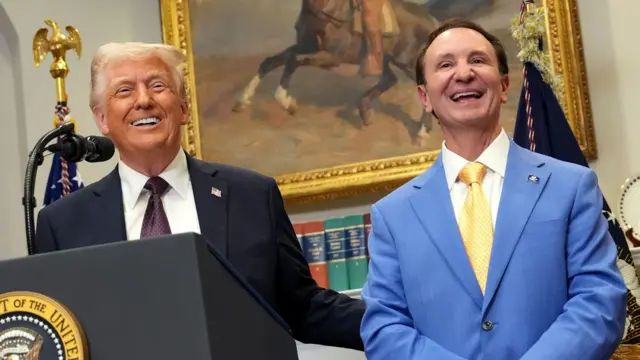
In late 2025, US President Donald Trump reignited his signature “America First” foreign policy, announcing two decisive actions that have significantly strained relations with key allies in Europe and Latin America. The moves, framed by the White House as necessary to protect American economic and strategic interests, have sparked diplomatic backlash, market uncertainty, and renewed debate over Washington’s global role.
The developments mark a sharp escalation in Trump’s second-term foreign policy approach, reinforcing a unilateral stance that prioritizes domestic gains over multilateral cooperation. Analysts say the decisions could reshape transatlantic ties and US–Latin America relations well beyond 2025.
A Return to Hardline Trade and Security Policies
The first major action involved the reintroduction of aggressive trade measures targeting European economies, including revised tariffs on select industrial and agricultural imports. US officials argued that the steps were designed to correct long-standing trade imbalances and protect domestic manufacturing.
European leaders, however, viewed the move as a direct challenge to economic cooperation. Senior diplomats described the decision as “counterproductive,” warning that it could provoke retaliatory measures and disrupt fragile global supply chains.
Key impacts cited by trade observers include:
- Increased costs for exporters and consumers
- Heightened risk of transatlantic trade disputes
- Growing uncertainty for multinational businesses
The second action focused on Latin America, where the Trump administration announced stricter economic and security conditions tied to bilateral cooperation. The measures emphasized border security, migration control, and tighter oversight of trade concessions, signaling a tougher stance toward regional partners.
Diplomatic Fallout Across Regions
In Latin America, several governments expressed concern that the new conditions undermine regional stability and economic development. Critics argue that the policies reflect a transactional approach that prioritizes short-term US interests over long-term partnerships.
Meanwhile, in Europe, political leaders warned that the renewed “America First” strategy could weaken alliances at a time of heightened geopolitical uncertainty. The perception of the US retreating from collaborative leadership has fueled discussions about greater European strategic autonomy.
Regional Reactions at a Glance
| Region | Primary Concern | Likely Response |
|---|---|---|
| Europe | Trade tariffs, alliance strain | Potential countermeasures |
| Latin America | Economic pressure, migration rules | Diplomatic pushback |
| Global Markets | Policy unpredictability | Increased volatility |
Strategic Calculations Behind the Moves
Supporters of Trump’s approach argue that the policies resonate with his political base and reinforce national sovereignty. They contend that the “America First agenda” sends a clear message that US cooperation must deliver tangible benefits for American workers and industries.
However, foreign policy experts caution that repeated reliance on unilateral actions risks isolating the United States. They warn that strained diplomatic relations could broader consequences for global trade, security coordination, and US influence abroad.
Looking Ahead
As 2025 draws to a close, the renewed emphasis on Trump foreign policy, trade protectionism, and nationalist diplomacy underscores a pivotal moment in international relations. Whether these actions lead to renegotiated partnerships or prolonged diplomatic standoffs remains uncertain.
What is clear is that the latest escalation has reaffirmed the transformative — and controversial — nature of the “America First” doctrine, signaling that global partners must once again adapt to a more assertive and unpredictable United States on the world stage.

