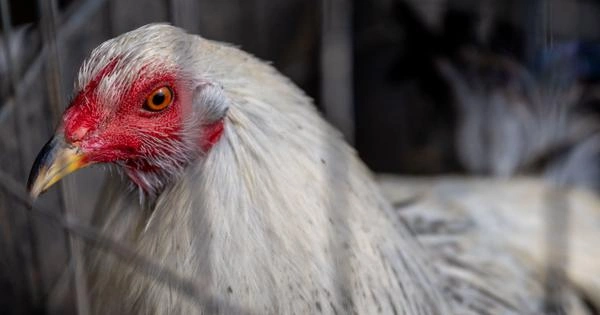
Kerala is confronting a fresh outbreak of bird flu (avian influenza) after the highly contagious H5N1 virus was confirmed among poultry in the districts of Alappuzha and Kottayam, prompting immediate government action and heightened surveillance across the southern state.
The Kerala State Animal Husbandry Department has reported multiple clusters of avian influenza across several panchayats, with infected birds detected in Nedumudi, Cheruthana, Karuvatta Karthikapally, Ambalapuzha South, Punnapra South, Thakazhi, and Purakkad in Alappuzha and at Kuruppanthara, Kallupuraykkal, and Veloor in Kottayam.
Animal Husbandry Minister J Chinchu Rani confirmed that samples collected over the past week were sent to the National Institute of High Security Animal Diseases (NIHSAD) in Bhopal, where laboratory tests verified the presence of the avian influenza (H5N1) virus, a highly contagious strain known to spread rapidly among birds.
Government Response & Public Health Measures
In response to the outbreak, Kerala’s state authorities have activated rapid response protocols and intensified biosecurity measures to prevent further spread within poultry populations. Emergency operations include:
- Surveillance and monitoring of affected zones by veterinary and animal health officers
- Deployment of rapid response teams in rural and semi‑urban areas
- Establishment of control rooms at the district level for coordination
- Public awareness campaigns on disease prevention and safe practices
- Advisories to avoid handling dead or infected birds without protective gear
Health officials stress that while no human infections have been reported in this outbreak, vigilance remains critical due to the zoonotic potential of the H5N1 virus — meaning it can occasionally cross from birds to humans in rare circumstances.
Health Minister Veena George spoke at a State Rapid Response Team meeting, urging strict adherence to preventive guidelines and cautioning the public about recognizing symptoms such as fever, cough, body pain, and difficulty breathing in exposed individuals.
Impact on Poultry Industry & Seasonal Risk Factors
The outbreak comes at a time when poultry demand typically increases, ahead of the Christmas and New Year festive season, posing economic risks to local farmers and poultry businesses. While no prohibitions on the consumption of poultry meat or eggs have been enacted yet, ministers have indicated that restrictions — including targeted culling and movement controls — could be implemented based on ongoing risk assessments.
A rapid culling operation is underway, with local officials estimating that tens of thousands of birds may be culled within a 1‑kilometre radius of outbreak epicentres to contain the spread and safeguard both animal and human health.
Table: Key Facts — Kerala Bird Flu Outbreak (Dec 2025)
| Aspect | Details |
|---|---|
| Disease | Avian Influenza (H5N1) |
| Affected Districts | Alappuzha, Kottayam |
| Confirmatory Lab | NIHSAD, Bhopal |
| Human Cases Reported | None to date |
| Primary At‑Risk Groups | Poultry workers, farmers, handlers |
| Key Government Actions | Surveillance, biosecurity, culling operations |
| Public Advisory | Avoid contact with infected birds; cook poultry thoroughly |
Public Advisory & Prevention Guidelines
Authorities emphasize the following precautionary measures for residents and poultry handlers:
- Do not touch dead or dying birds with bare hands
- Thoroughly cook all poultry meat and eggs before consumption
- Wear protective masks and gloves when handling raw poultry
- Report any unusual bird deaths to local animal husbandry officials promptly
- Monitor for symptoms among people exposed to infected birds and seek medical attention if needed
These steps are critical to limiting both viral transmission within bird populations and any potential spillover to humans.
Outlook & Broader Implications
Public health experts caution that avian influenza remains a perennial risk in India due to migratory bird patterns and dense poultry farming. Continued vigilance, robust surveillance systems, and transparent communication between health and agriculture departments are essential in mitigating the impacts of outbreaks like this one.
As Kerala strengthens its containment efforts, coordination between state and central authorities will play a crucial role in protecting both agricultural livelihoods and community health in the coming weeks.