
In a decisive move to protect its domestic manufacturing base, the Indian government has formally imposed a comprehensive three-year safeguard duty on select steel products, citing a sharp surge in low-priced steel imports that threatened the viability of local producers. The decision, notified in late December 2025, marks one of the most significant trade interventions in the steel sector in recent years and underscores India’s intent to strengthen its core industrial capabilities.
A Strategic Response to Import Pressure
The safeguard duty has been introduced following detailed investigations that found a substantial and sudden increase in steel imports, particularly from major exporting countries, at prices well below prevailing domestic rates. This influx, officials noted, caused serious injury to Indian steel manufacturers, impacting capacity utilization, profitability, and employment across the value chain.
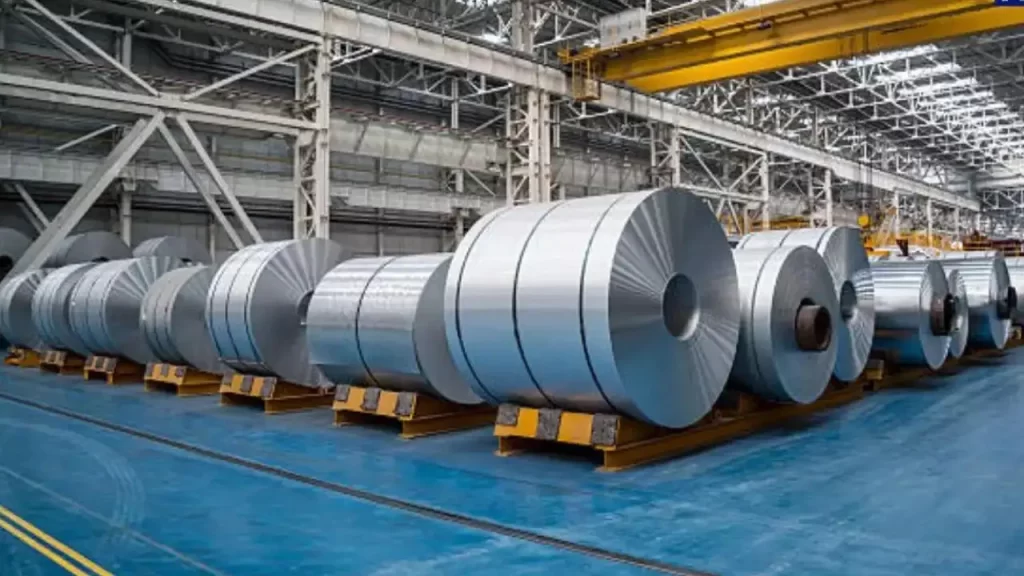
The measure applies to a defined list of steel products, including flat steel products and certain alloy and non-alloy categories, which together account for a large share of India’s steel consumption. The duty will be progressively adjusted over the three-year period, allowing domestic producers time to stabilize operations and regain competitiveness.
Key Objectives of the Safeguard Duty
The government’s move aims to balance trade protection with long-term industrial growth. The primary objectives include:
- Shielding domestic steel producers from unfair price competition
- Ensuring stability in the steel manufacturing sector, a backbone of infrastructure and construction
- Protecting jobs linked to steel production and downstream industries
- Encouraging investment in capacity expansion and technology upgrades
Officials emphasized that the safeguard duty is a temporary and WTO-compliant measure, designed not to restrict trade permanently but to counter abnormal market disruptions.
Industry Reaction and Market Impact
Domestic steelmakers have largely welcomed the decision, describing it as timely and necessary amid volatile global steel prices and excess capacity in international markets. Industry leaders believe the safeguard duty will help restore pricing discipline, improve margins, and boost confidence among investors.
However, steel-consuming sectors such as construction, automobiles, and capital goods manufacturing are closely watching the impact on input costs. Analysts suggest that while there may be short-term price adjustments, the long-term benefit of a stable domestic steel industry outweighs potential cost pressures.
Potential Implications at a Glance:
- Improved capacity utilization for Indian steel plants
- Reduced dependence on imported steel
- Greater resilience against global price fluctuations
- Stronger alignment with the “Make in India” manufacturing vision
Broader Economic and Trade Significance
The safeguard duty reflects India’s broader strategy to defend critical industries while navigating an uncertain global trade environment. With infrastructure development, renewable energy projects, and urban expansion driving steel demand, policymakers see domestic steel strength as essential for sustained economic growth.
At the same time, the government has signaled that it will continue monitoring market conditions and engage with stakeholders to ensure that the measure does not distort supply chains or hamper downstream industries.
Outlook
As the three-year safeguard duty comes into force, the Indian steel sector stands at a crucial juncture. The policy offers domestic manufacturers a protective window to consolidate, innovate, and compete globally. Its success will ultimately depend on how effectively producers leverage this period to enhance efficiency and scale, positioning India as a resilient and competitive steel powerhouse in the years ahead.

