
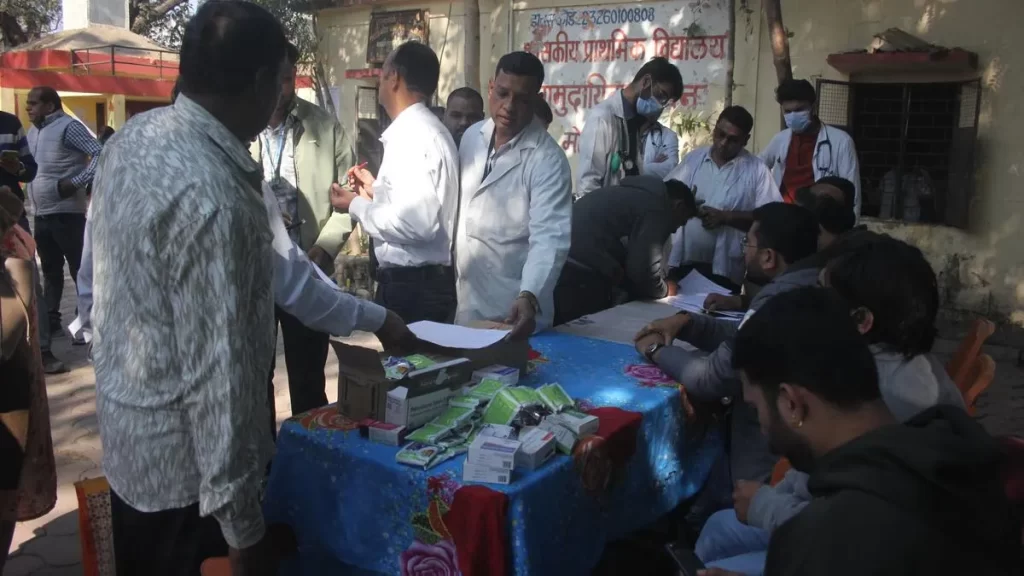
A severe water contamination crisis in Indore’s Bhagirathpura area has triggered widespread public alarm after eight people reportedly lost their lives and more than 100 residents were hospitalised due to suspected consumption of polluted drinking water. The incident has intensified concerns over urban water safety, civic negligence, and public health preparedness in one of Madhya Pradesh’s largest cities.
Contaminated Water Sparks Health Emergency
According to health officials, residents of Bhagirathpura began reporting symptoms such as acute diarrhoea, vomiting, stomach cramps, and dehydration earlier this month. Hospitals across Indore witnessed a sudden surge in patients, prompting authorities to declare a local health emergency. Most of the affected individuals belong to densely populated residential pockets with dependence on municipal water supply lines.
Preliminary investigations indicate that sewage leakage into drinking water pipelines may be the primary cause of contamination. Officials suspect damaged pipelines and poor maintenance allowed untreated waste to mix with potable water, exposing residents to waterborne diseases.
Civic Body Under Scrutiny
The Indore Municipal Corporation (IMC) has come under intense scrutiny as questions arise over infrastructure upkeep and delayed response. Emergency measures were initiated only after hospital admissions crossed alarming levels. Water tankers were deployed, and the affected supply lines were temporarily shut down for disinfection and repair.
Key immediate actions taken include:
- Suspension of contaminated water supply in Bhagirathpura
- Distribution of safe drinking water through tankers
- Medical camps set up for rapid diagnosis and treatment
- Collection of water samples for laboratory testing
Despite these measures, residents allege that complaints about foul-smelling and discoloured water were raised days before the crisis escalated, pointing to systemic administrative lapses.
Rising Public Health Concerns
Medical experts warn that such incidents underline the growing risk of urban water contamination in rapidly expanding cities. Contaminated water can lead to outbreaks of cholera, typhoid, gastroenteritis, and other life-threatening infections, particularly affecting children, elderly citizens, and those with compromised immunity.
Hospitals have been advised to remain on high alert, while doctors stress the importance of boiling water, maintaining hygiene, and avoiding untreated municipal supply until official clearance is issued.
Political and Social Repercussions
The tragedy has sparked strong reactions from civil society groups and opposition leaders, who are demanding accountability, compensation for victims’ families, and a comprehensive audit of Indore’s water infrastructure. Protests have erupted in parts of the city, with residents accusing authorities of prioritising urban image over essential civic services.
Public trust in municipal governance has been shaken, especially given Indore’s reputation as a clean and well-managed city. Analysts note that cleanliness rankings do not automatically translate into safe water systems, highlighting a critical governance gap.

