
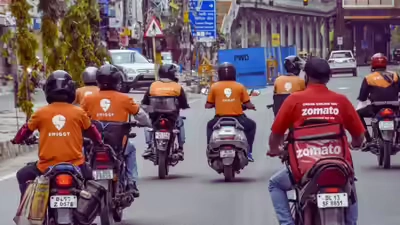
A nationwide strike by gig workers has significantly disrupted India’s app-based delivery and logistics ecosystem, bringing renewed attention to the working conditions within the rapidly expanding platform economy. As of December 31, 2025, delivery partners associated with major platforms such as Swiggy, Zomato, Blinkit, Zepto, Amazon, and Flipkart have collectively halted services in multiple states, responding to calls from worker groups including the Indian Federation of App-Based Transport Workers (IFAT) and the Telangana Gig and Platform Workers Union (TGPWU).
The coordinated protest, described by organizers as one of the largest gig worker mobilisations in recent years, highlights mounting dissatisfaction over what workers term high-pressure operational models, unpredictable earnings, and lack of social security. With India’s gig economy estimated to employ millions of workers, the strike has triggered widespread delivery delays, order cancellations, and customer complaints across urban centres.
Core Demands of the Strike
At the heart of the protest are demands aimed at reforming platform work structures and ensuring dignified working conditions. According to union representatives, gig workers are seeking:
- Fair and transparent pay structures, including minimum per-order earnings
- Reduction in unrealistic delivery timelines driven by algorithmic management
- Accident insurance, health coverage, and social security benefits
- An end to arbitrary account suspensions and penalties
- Formal recognition of gig workers’ rights under labour laws
Workers argue that despite being labelled as “independent partners,” they face conditions similar to full-time employees—without corresponding protections. Rising fuel costs, inflation, and incentive cuts have further intensified financial strain, making daily operations increasingly unsustainable for delivery workers.
Platforms and Government Response
While major e-commerce and food delivery platforms have acknowledged service disruptions, most companies have refrained from issuing detailed public statements on the strike. Industry sources indicate that contingency measures are being implemented in select regions to partially restore services.
Meanwhile, labour experts note that the strike places renewed pressure on policymakers to accelerate reforms related to gig worker welfare, a subject already under discussion at both central and state levels. Several state governments, including Telangana, have previously explored social security frameworks for platform workers, but nationwide implementation remains uneven.
Impact on India’s Platform Economy
The strike underscores structural challenges within India’s digital labour market. The platform economy, often celebrated for generating flexible employment, is increasingly criticised for algorithm-driven work intensity, lack of income stability, and absence of grievance redressal mechanisms.
Key implications of the strike include:
- Temporary slowdown in last-mile delivery services
- Increased scrutiny of gig economy business models
- Heightened public discourse on platform worker rights
- Potential regulatory interventions in 2026
Looking Ahead
As negotiations continue, the outcome of the nationwide gig workers’ strike may prove pivotal for the future of India’s platform economy. With worker unions gaining momentum and public awareness rising, experts believe 2026 could mark a turning point in defining fair labour standards for app-based employment.
The strike not only disrupts daily convenience services but also raises a fundamental question for India’s digital growth story: can innovation and efficiency coexist with equitable and humane working conditions for those powering the platforms?

