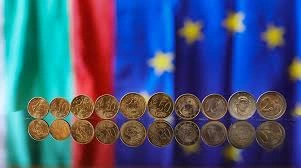
Bulgaria has officially adopted the euro as its national currency starting today, marking a historic milestone in the country’s economic and political integration with the European Union. With this move, Bulgaria becomes the 21st member of the eurozone, replacing the Bulgarian lev (BGN), which will continue to circulate alongside the euro during a short transitional period throughout January.
The euro adoption represents the culmination of years of fiscal reforms, monetary alignment, and compliance with the EU convergence criteria, including price stability, sound public finances, and exchange rate discipline. Bulgarian authorities have described the transition as a strategic step aimed at strengthening economic stability, enhancing investor confidence, and deepening the country’s role within the European single market.
A Smooth Transition to the Euro
To ensure minimal disruption, the Bulgarian government and central bank have implemented a dual-circulation system for January 2026. During this period, both the euro and the Bulgarian lev will be accepted for cash transactions, while change will be returned exclusively in euros. From February 1, 2026, the euro will become the sole legal tender for everyday transactions.
Key transition highlights include:
- Fixed conversion rate applied nationwide to prevent price manipulation
- Dual price display in euros and levs to enhance transparency
- Public awareness campaigns educating citizens and businesses
- Bank and ATM recalibration completed ahead of the launch
Officials emphasized that strict monitoring mechanisms are in place to prevent unjustified price increases during the changeover, addressing concerns about inflation often associated with currency transitions.
Economic and Financial Implications
Bulgaria’s entry into the eurozone is expected to deliver several long-term economic benefits. By adopting the euro, the country eliminates currency exchange risks with its main trading partners and gains access to deeper financial markets. Analysts predict improved credit ratings, lower borrowing costs, and increased foreign direct investment as a result of eurozone membership.
Key anticipated benefits include:
- Greater price stability and reduced transaction costs
- Stronger investor confidence and capital inflows
- Enhanced trade integration with eurozone economies
- Increased influence in EU monetary decision-making
However, economists caution that euro adoption also requires sustained fiscal discipline, as Bulgaria will now operate under the European Central Bank’s monetary framework, limiting independent monetary policy.
Public Sentiment and Political Significance
Public opinion in Bulgaria has been mixed but gradually supportive, with recent surveys indicating growing acceptance of the euro as a symbol of economic credibility and European identity. Politically, the move reinforces Bulgaria’s commitment to deeper European integration and aligns it more closely with core EU economies.
Government leaders hailed the adoption as a “once-in-a-generation transformation,” underscoring its importance for future growth, competitiveness, and regional stability in Southeast Europe.
Looking Ahead
As Bulgaria embarks on this new monetary chapter, the focus now shifts to effective implementation and long-term economic convergence with the eurozone’s strongest economies. While challenges remain, today’s transition signals a decisive step toward greater financial integration, resilience, and influence within the European Union.
The adoption of the euro not only reshapes Bulgaria’s economic landscape but also firmly anchors the country within the heart of Europe’s monetary union.