
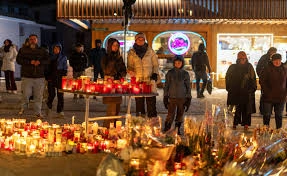
A devastating New Year’s Eve fire at Le Constellation bar in Crans-Montana, Switzerland, which claimed the lives of 40 people, has ignited a nationwide debate over fire safety enforcement and regulatory oversight. In January 2026, Swiss authorities confirmed that the popular alpine nightlife venue had not undergone a mandatory safety inspection since 2019—an omission that has raised serious concerns about compliance failures and institutional accountability in one of Europe’s most safety-conscious countries.
A Celebration Turned Catastrophic
The blaze erupted shortly after midnight on December 31, as hundreds of patrons gathered to ring in the New Year at the well-known Crans-Montana bar. According to preliminary findings, the fire spread rapidly through the premises, filling enclosed spaces with thick smoke and leaving many trapped. Emergency responders arrived swiftly, but the intensity of the fire and overcrowded conditions significantly hampered rescue efforts.
Authorities have since confirmed that many of the victims succumbed to smoke inhalation, while others were unable to escape due to inadequate emergency exits. The tragedy has been described as one of the deadliest nightclub fires in recent Swiss history, sending shockwaves through the tourism-dependent alpine resort region.
Inspection Failures and Regulatory Gaps
Investigators revealed that Le Constellation bar had failed to undergo its legally required fire safety inspection for more than six years. Under Swiss regulations, public venues—particularly nightlife establishments—must be inspected at regular intervals to ensure compliance with fire codes, capacity limits, and emergency preparedness standards.
Key safety concerns now under scrutiny include:
- Non-functional or insufficient fire alarms
- Poorly marked or obstructed emergency exits
- Overcrowding beyond permitted capacity
- Outdated fire suppression systems
Officials are examining whether administrative oversights, staffing shortages, or systemic regulatory lapses allowed the venue to continue operating without inspection.
National Outrage and Political Response
The revelations have triggered widespread public outrage across Switzerland. Families of the victims are demanding justice, while civic groups are calling for stricter enforcement of fire safety laws. Several federal and cantonal officials have acknowledged the gravity of the failures, promising a transparent investigation and swift reforms.
In response, authorities have announced immediate audits of high-risk venues nationwide, particularly bars, clubs, and event spaces frequented during peak tourist seasons. Lawmakers are also debating harsher penalties for non-compliant establishments and increased funding for inspection agencies.
Broader Implications for Public Safety
The Crans-Montana fire has exposed vulnerabilities in Switzerland’s otherwise robust safety framework, highlighting how lapses in routine inspections can have catastrophic consequences. Experts warn that without consistent oversight, even countries with strong regulatory reputations remain vulnerable to preventable disasters.
Key implications emerging from the tragedy include:
- Renewed focus on fire safety compliance in public venues
- Increased scrutiny of local authority enforcement mechanisms
- Potential reforms to inspection frequency and transparency
- Heightened awareness among business owners and the public

