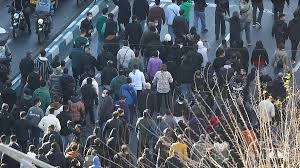
Iran is gripped by one of the most widespread and volatile waves of anti‑government protests in years, with demonstrators defying heavy security crackdowns to voice deep-seated frustrations over economic hardship, political repression, and rising living costs. What began in late December as localized strikes in Tehran’s Grand Bazaar has surged into an intense national movement, spreading to more than 50 towns and cities across all regions of the country and resulting in dozens of deaths and thousands of arrests.
Nationwide Demonstrations and Rising Casualties
Rights groups monitoring the unrest report that at least 36 people have been killed in clashes between protesters and Iranian security forces since the demonstrations began more than a week ago. These fatalities include men, women, and children, while official figures from the Iranian government remain limited.
Key developments include:
- Spread of Protests: Demonstrations have erupted across at least 27 of Iran’s 31 provinces, encompassing more than 250 locations — from Tehran and Isfahan to smaller towns and Kurdish areas in the west.
- Casualty Figures: Human rights organizations report that the death toll includes both protesters and a small number of security personnel, with more than 2,000 arrests made nationwide.
- Children Among Victims: Multiple human rights groups have highlighted that children are among the dead and detained, raising serious concerns over violations of international law.
Triggers and Broader Grievances
The protests were initially triggered by economic grievances — notably the sharp devaluation of the Iranian rial, soaring inflation, and the eroding purchasing power of ordinary citizens. The rial has fallen to historic lows, compounding the cost-of-living crisis and fueling widespread public anger.
However, what began as an economic protest has rapidly taken on political dimensions, with demonstrators chanting anti-government slogans such as “Death to the dictator” and openly criticizing the country’s clerical leadership. These chants signal broader calls for political change and accountability from leadership, including Supreme Leader Ayatollah Ali Khamenei.
Government Response and Security Crackdown
Iranian authorities have responded with a heavy security presence, deploying police, Basij militia members, and Revolutionary Guard units to suppress the unrest. The government has implemented internet restrictions and denied the full extent of protester casualties, while vowing to crack down on what it characterizes as violent elements.
Key aspects of the government’s response include:
- Mass Arrests: Security forces have detained over 1,200 protesters, including journalists, students, and activists in cities such as Tehran, Isfahan, and Shiraz.
- Internet Blackouts: Authorities have imposed communication restrictions, limiting access to independent reporting and social media platforms.
- Violent Clashes: Videos and eyewitness reports show security forces using tear gas, live ammunition, and forceful tactics in hospitals and public spaces to disperse crowds.
Social and Political Implications
Analysts warn that this wave of unrest reflects deeper societal fractures that extend beyond economic distress. The combination of economic stagnation, political repression, and social discontent has revived public frustration reminiscent of previous nationwide movements, including the 2022–2023 unrest that followed the death of Mahsa Amini in police custody.
The ongoing crisis poses both domestic and international challenges:
- Domestic Pressure: Iran’s leadership faces growing pressure from citizens demanding accountability, economic reforms, and an end to corruption and repression.
- International Scrutiny: Foreign governments and human rights bodies have condemned the violence and called on Tehran to respect fundamental rights and engage in dialogue.