
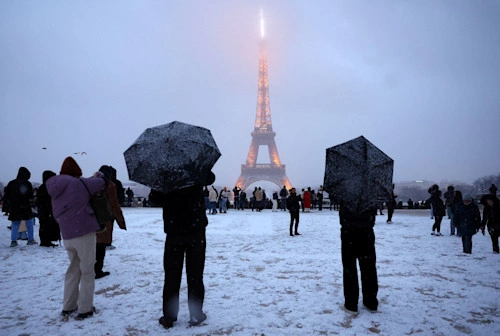
Europe is enduring one of its most disruptive winter weather episodes in recent memory as severe snowstorms and frigid temperatures have swept across the continent, resulting in at least six deaths, hundreds of flight cancellations, major rail and road disruptions, and mounting travel chaos for millions of residents and visitors. The harsh conditions, described by meteorologists as the bitterest cold snap of the winter so far, have strained transportation infrastructure and emergency services across multiple countries.
Deadly Cold Snap and Fatalities
The severe weather front, driven by persistently low temperatures, heavy snowfall, and icy conditions, has been linked to a series of fatal incidents across Europe. In France, hazardous roads covered in ice contributed to multiple traffic accidents, claiming at least five lives, including collisions in the Landes region and near Paris. In the Balkans, a woman in Bosnia and Herzegovina tragically died when a snow-laden tree branch fell on her, underscoring the broad geographic reach of the storm’s deadly impact.
Authorities have stressed that these deaths are the result of weather-related accidents, with black ice and treacherous road surfaces posing acute risks for motorists, pedestrians, and commuters. Emergency services remain on high alert as temperatures remain below freezing across wide swathes of the continent.
Airport Groundings and Flight Cancellations
The most visible impact of the storm has been on air travel, with major hubs experiencing prolonged disruptions. Amsterdam’s Schiphol Airport, one of Europe’s busiest, has seen hundreds of flights canceled or delayed due to snow accumulation, icy runways, and logistical difficulties with de-icing operations. At Paris’s Charles de Gaulle and Orly airports, significant portions of flights were scrapped to allow ground crews to clear snow and ensure aircraft safety.
Travelers reported chaotic scenes at terminals, with many facing long waits for updated schedules and rebookings. Rail services in the Netherlands were disrupted by frozen points, while high-speed Eurostar services between Amsterdam and Paris faced cancellations or delays, compounding travel woes for passengers trying to navigate the continent.
Transport Networks Strained
Beyond aviation, ground and public transit systems have also been severely impacted. In the Netherlands, domestic rail services were suspended early on Tuesday as the network struggled with frozen infrastructure and software issues. High-speed lines were slowed or halted, leaving commuters and long-distance travelers stranded.
In France, large traffic jams formed as snow and black ice made roads impassable in many parts of the country. Several regional airports remained closed, and a series of height restrictions for heavy vehicles were imposed to prevent further roadway incidents.
Weather Forecast and Emergency Measures
Meteorological agencies across Europe have issued continued cold weather warnings, with forecasts predicting further snow and sustained freezing temperatures over the coming days. Governments and local authorities have urged residents to limit travel where possible, prepare for prolonged difficult conditions, and heed safety advisories. Emergency response teams have been deployed in several regions to assist with stranded motorists and maintain critical services on major transport corridors.
Implications and Outlook
The severe snowstorms highlight vulnerabilities in Europe’s transportation infrastructure when faced with extreme winter weather, especially in regions unaccustomed to prolonged snow events. Airlines, railway operators, and municipal services are under pressure to adapt rapidly as the cold snap continues to test resilience. For travelers and residents alike, authorities emphasize the importance of preparing for continued disruption and monitoring weather and travel advisories closely.
Key Impact Summary
- Deaths: At least six weather-related fatalities confirmed across France and the Balkans.
- Air Travel: Hundreds to thousands of flights canceled or delayed at major hubs, especially Schiphol and Paris airports.
- Rail Disruption: National rail services in the Netherlands impacted by frozen infrastructure.
- Road Safety: Widespread traffic closures, accidents, and black ice hazards.
As Europe continues to grapple with the severe winter system, authorities warn that conditions may remain volatile, further affecting travel, commerce, and daily life in the days ahead.

