
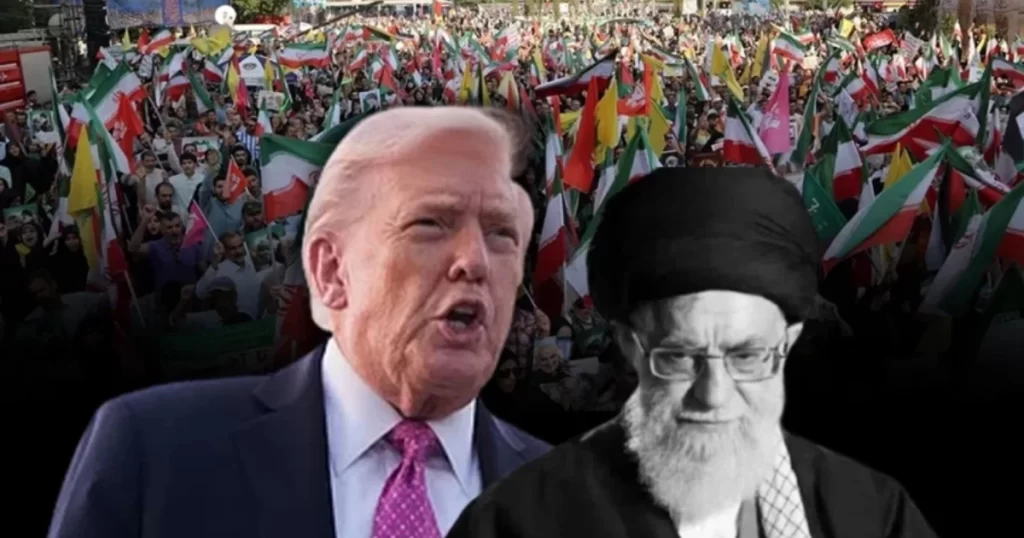
Nationwide protests in Iran have entered their twelfth consecutive day as of January 8, 2026, intensifying pressure on the country’s clerical establishment and marking the most serious challenge to the ruling system since the 2022 “Woman, Life, Freedom” movement. The sustained demonstrations, spreading across major cities and provincial towns alike, reflect deep-rooted public anger over political repression, economic hardship, and social restrictions, signaling a volatile moment for the Islamic Republic.
The current wave of unrest reportedly began as localized demonstrations but quickly escalated into nationwide protests, fueled by frustration over rising inflation, unemployment, and perceived erosion of civil liberties. Unlike shorter, sporadic protests in recent years, this movement has shown unusual resilience, with demonstrators continuing to mobilize despite heavy security deployment and internet disruptions. Analysts note that the protests’ duration alone underscores the scale of public dissatisfaction and the difficulty authorities face in restoring calm.
Key Drivers of the 2026 Iran Protests
Several interconnected factors have contributed to the momentum of the protests:
- Economic crisis: Persistent inflation, currency depreciation, and declining purchasing power have heightened public anger.
- Political repression: Arrests of activists and journalists have intensified resentment against state institutions.
- Social freedoms: Continued restrictions on women and youth have reignited memories of the 2022 protests.
- Public trust deficit: A widening gap between state narratives and lived realities has undermined credibility.
These elements have converged to create what observers describe as a nationwide protest movement rather than isolated unrest.
Comparison With the 2022 “Woman, Life, Freedom” Movement
| Aspect | 2022 Movement | 2026 Protests |
|---|---|---|
| Duration | Several weeks with peaks | 12 consecutive days and ongoing |
| Primary Trigger | Death of a young woman in custody | Economic and political grievances |
| Geographic Spread | Major cities | Nationwide, including smaller towns |
| Core Demands | Women’s rights, social freedom | Systemic reform, accountability |
While the 2022 movement centered heavily on women’s rights and social freedoms, the current protests encompass broader demands for systemic change, making them particularly challenging for the clerical establishment.
The Iranian government has responded with a familiar mix of security measures and official warnings, emphasizing stability and national unity. State media coverage has remained limited, while authorities have sought to prevent large-scale coordination among protesters. However, the persistence of demonstrations suggests that traditional containment strategies may be less effective in the current climate.
From a regional and international perspective, the unrest is being closely watched, given Iran’s strategic role in the Middle East. Prolonged instability could have implications for energy markets, regional diplomacy, and internal power dynamics within the country’s political elite.

