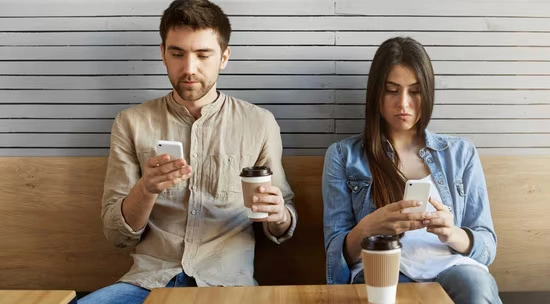
Likes, swipes, and notifications on digital platforms give rapid affirmation, which is taking the place of more meaningful personal connections more and more. Psychologists and sociologists are concerned that the shift towards “fast approval” processes may render relationships less significant rather than more significant.
The Growth of a Culture of Getting What You Want Right Now
People want for instant response on social media because the algorithms provide them quick hits of dopamine. This makes them less likely to form long-term relationships. Both Instagram and Tinder do this because they make getting likes feel like a game. Dating apps are like slot machines in that they offer you a rush when you meet someone but don’t force you to make a commitment. Studies have shown that spending a lot of time on social media can make you have fewer real-life interactions because virtual thumbs-ups take the place of real compliments or shared experiences.
This trend increased worse after the pandemic. People all throughout the world would be spending more than seven hours a day on screens by 2025. Even if they have more friends online, young adults feel more alone. This highlights how digital habits can make it hard to be nice and patient, which are two crucial attributes for real relationships.
How Psychological Mechanisms Work
The brain’s reward system functions best when things are random, which is comparable to how variable-ratio reinforcement works in behavioural psychology. Notifications increase serotonin and dopamine levels, which causes people to act like they need “fast approval” from strangers instead than long-term approval from people they care about. Neuroimaging studies show that when someone turns down a romantic advance online, it stimulates pain centres in the brain that are similar to those that cause real pain. But having so many options makes people less emotionally invested.Calling friends or going to family dinners are two ways that can help you stop browsing too much. A 2024 survey indicated that 68% of Gen Z would rather text than talk since it’s easier, but this makes them less emotionally close. Over time, the things we do online change what we care about.This makes it feel less safe to be open and honest with people in real life than with people we know online.
Effects on relationships with friends and lovers
Dating apps say they help individuals, but they often make users feel like they don’t matter. Every day, people look at hundreds of profiles and decide if they want to date someone based on how they seem. “Paradox of choice” suggests that people are less satisfied because they get sick with making choices. According to app statistics, relationships that start with swipes last 20% less time than those that start with meeting up a lot.
Friendships go through the same thing. A lot of people use group chats instead of meeting in person. There are emoticons instead of hugs and chuckles. A long-term study of 5,000 people found that after two years, participants who used a lot of digital communication indicated they trusted their peers 30% less. Families also have quiet dinner tables because of the light from phones, and parents show their kids how to act.
Cultural myths make this worse: influencers make money by selling “relatable” facades that make their lives look great so they can get more likes. Family relationships have always been crucial in India, but young people in cities are using Instagram Reels to feel like they fit in. They don’t meet up; instead, they talk about holidays like Diwali. This makes social rituals less important and makes people want to construct their own echo chambers.
Money problems make things worse. People use apps like Bumble BFF more since it’s tougher to meet new people in person these days because of the gig economy and working from home. By 2026, 40% of new partnerships are predicted to begin online. But couples who met through apps are 15% more likely to get divorced because they had excessive expectations based on great profiles.
Psychologist Sherry Turkle says that people lose their ability to understand each other when they don’t talk to each other. This is what she calls a “flight from conversation.” Her research demonstrates that texting can change how people feel, but it’s crucial to be honest when you chat to someone in person. Jean Twenge’s study on iGen also links the growth in despair to the fact that so many people use smartphones. Teen suicides have gone rising since 2010, when social media became more prevalent.
The main numbers provide a clear story:
According to a Pew Research poll from 2025, 82% of individuals look at their phones when they are among other people.
Getting 50 or more likes every day means spending hours hunting for approval.
The World Health Organisation (WHO) states that 1 in 3 people throughout the world feel lonely all the time, even though we are more connected than ever.
Experts claim that taking a break from technology is a good idea since those who do it may reconnect with others 25% faster after the break. Neuroscientist Anna Lembke says that “dopamine fasting” can help you stop doing things that are bad for you. She thinks it’s important to do things that don’t involve the internet, like volunteering or doing hobbies.
How it affects your mental health and well-being
If you always expect rapid approval, you might grow anxious. Meta-analyses show that accessing social media makes you 27% more likely to be depressed. People who are afraid of missing out (FOMO) spend too much time on their phones. This means that their attention spans are only eight seconds long, which is shorter than a goldfish’s. This is worst when you stay up late looking at blue light and scrolling.
Selfies with filters damage women the most because they make them feel horrible about how they look. Sixty percent of women say they feel worse about themselves when they compare themselves to other women. Men think they have to meet “hustle porn” standards, which means that their worth is predicated on how many people follow them. All of this makes a society that prioritises quantity over quality, where ghosting is allowed and it’s normal to go without saying goodbye.
How to Get Real Links Back
Rebalancing needs adjustments that are planned. Make “no-phone zones” for meals or dates to get people to come. Apps like Forest can help you focus, but you have to adjust how you act to notice big changes. For instance, keep track of how many people you talk to each week, and try to make 70% of those talks face-to-face.
In communities, people do things like reading clubs without screens and groups where they just walk and talk. Schools teach kids how to use technology and how to tell the difference between love and like. Policymakers are looking at laws, like EU rules that say games have to include pause features, to stop designs that are overly addictive.
CBT and other therapies focus on getting approval and modifying how we think about receiving approval. There are a lot of stories of people who have done well. Couples who stop using apps say they feel 40% closer to one other in just a few months.
More Effects and Choices for the Future
People may feel even more alone if AI companions like chatbots are always there for them and they need quick approval. People fight back when they know what’s going on. More people are interested in “digital minimalism” in 2026, which is a good indication.
We are at a tipping moment as a society: should we make our digital ties stronger or bring back our real-life ones? People might get along better and be stronger in a world that is always changing if they put depth above dopamine. Use technology as a tool instead of letting it control you when you use hybrid tactics.They make sure that people meet in person.