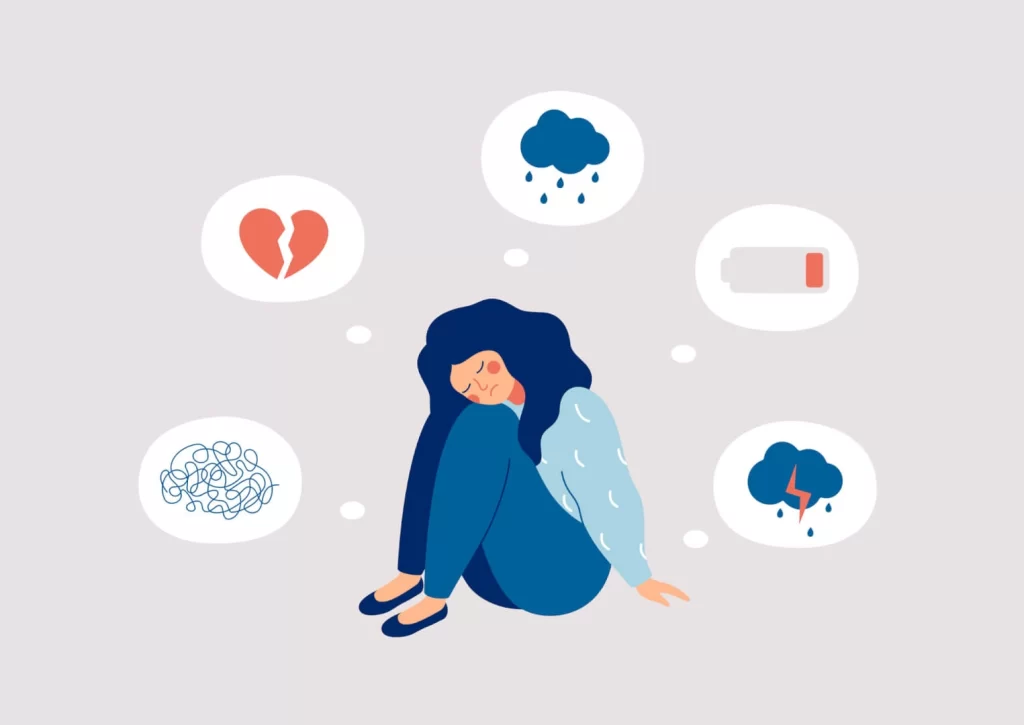
Your brain learns to like the pleasant things in life less when you have too much fun. Changes in neurochemicals cause this covert process to happen. This means that giving in to your wishes all the time can make you feel bad and numb. In the long run, you can be happy again if you pay attention to how much you do.
The science behind having too much fun in the brain
The brain needs dopamine to feel good. It comes out when we do things that make us happy, like eating our favourite foods or being welcomed by other people. When the brain experiences a lot of stimulation over time, it makes less dopamine receptors. This makes it less probable that things will stay the way they are. This tolerance effect makes it tougher to obtain the same amount of pleasure from the same items, which slowly takes away natural pleasure responses.
Hedonic adaptation makes things worse since it lets people become acclimated to good things quickly and then feel the same way they always do. Even if they have a lot of money, people who win the lottery often go back to being happy before they won. Chronic pleasure-seeking damages the prefrontal cortex, which lowers impulse control and raises anxiety as the brain deals with missed reward expectations.
Important Parts of the Diminishing Returns Function
The primary issue is that dopamine is malfunctioning, and repetitive surges diminish neuronal sensitivity. Studies on animals have shown that receptor internalisation can make cells less sensitive by up to 50%. This happens when people spend too much time on social media or playing video games.
Reward prediction error makes this worse since it makes the brain expect pleasure and makes it less responsive to things that are already known. Normal pleasures make you feel empty and responsible, but unexpected pleasures keep you going longer.
Neuroplastic changes: pathways get stronger when you feel good for a short time, but they get weaker when you feel good for a long time.
When neurones are excessively pleased, they swing towards the same level of suffering.
Links between inflammation: When you have too much stimulation, it can produce low-grade brain inflammation, which makes it harder to control your mood.
How to Change Your Brain in the Real World
For example, watching a lot of TV shows at once. The first few episodes are funny, but after a time, the subject matter gets old and boring. People typically remark they feel less emotional and more scared after watching anything, which suggests that passively taking in information makes you feel empty instead of full.
Ultra-processed foods with sugar and fat in them make a lot of dopamine, which is similar to drugs. These meals can make you more likely to get depressed because they disrupt how your gut and brain talk to each other and make you want to eat more.
Like slot machines, social networking platforms keep people interested by feeding them random likes and notifications. Even if they are always online, people may feel worse if they use it a lot every day.
Gaming marathons: Professional gamers become bored of playing all the time quite quickly.
Shopping urges: You feel great when you buy something, but then you feel awful about it and have money issues.
Casual relationships: If you spend a lot of time with someone but don’t really get to know them, it can feel like you’re not there.
How it affects your body and psyche
This rewiring makes you feel anhedonia, which means that things that used to make you happy don’t anymore. This makes life boring and uninteresting. Young individuals are more likely to get it since they are always near food and technology that is easy to find.
Cortisol levels rise when the reward circuits are turned off. This makes it harder to sleep, weakens your immune system, and makes it more likely that you’ll be sick for a long period. Evolutionary biology demonstrates our vulnerability. Our brains evolved to work best in places where rewards were hard to get, not in places where they were easy to get.
People who get a lot of stimulus are getting more anxious and less motivated, which is harmful for their mental health.
Cognitive decline: Putting too much stress on the prefrontal cortex makes it harder to think clearly and make decisions.
Headaches, weariness, and stomach troubles are some of the physical signs of low dopamine levels.
What Experts Think About the Event
The best neuroscientists say that the circuits for pleasure and pain function together, and that using one too much can make the other one hurt. Clinical studies have shown that taking pauses from drugs can greatly improve mood, which helps receptors recover.
When you’re really into something hard, you can go into a flow condition. Psychologists think that this is an excellent method to avoid passive pleasures. These drugs provide you a steady amount of dopamine without making you used to it, which keeps you happy for a long time.
Brain scans from the last few years show that things can be different. Meditation and other therapies can make the reward circuit thicker after a few weeks of frequent use, for example.
Things about culture that make the problem worse
People that sell items use this brain difficulty to sell things that are fun and quick but don’t last long. People are still spending more and more on these items, even while they aren’t getting better or happier or are getting worse.
Digital ecosystems utilise algorithms to give consumers customised entertainment that might take up hours of their time every day and influence how long they can stay focused. New discussions on rules are showing how the brain makes things addictive by focused on how they work.
In places like urban India that are swiftly becoming modern, the widespread use of cell phones and cultural differences make anhedonia worse for young people who are already dealing with too much technology and social pressure.
Materialism implies that you will be happy if you buy stuff, which makes people want to buy even more things.
The growth of technology: algorithms put people’s health before their needs.
Studies on happiness indicate that it remains constant whether individuals globally make purchases.
Dopamine fasting is a terrific technique to get your mind back on track. It means not doing things that are very fun for a short time. A lot of individuals feel better when they don’t use their phones or eat sweets for a whole day.
It might be hard to become used to new things when you add them to your routine. You can obtain more dopamine by trying new hobbies or interests without making things worse.
Micro-dosing joys: Take pleasure in small things like the sun or music.
Wait 10 minutes before giving in to what you want if you want to get your self-control back.
Being outside: Walking in nature could help you find the appropriate balance between having fun and being stressed.
Researchers have proven that some mindfulness techniques can make particular regions of the brain thicker, which makes them stronger. Ten-minute sessions every day help you develop habits that make it harder to get hooked on things.
Exercise gives you natural rewards, and high-intensity exercises keep your dopamine levels higher for longer than sugary treats do.
- It makes your body manufacture more chemicals and helps you stay to your goals.
- Yoga integration: uses breathing exercises and moving your body on purpose.
- Group activities: They add a social element without relying too much on technology.
A Long-Term Perspective and the Ability to Decide
People who don’t follow the rules have a harder time bouncing back, which produces big problems in society, like decreased production and more money spent on health care. New neurotechnologies could aid patients who are really stuck by making therapy more focused.
People are learning more and more about how pleasure works, and health programs are teaching kids how to find balance at an early age.New technologies, including these ways of using it on purpose, could help keep algorithms from going too far.
Forward perspectives include integrated methods that combine old knowledge, like yoga, with modern science, especially in different cultural settings. Policies that focus on diet and app designs show that people in the community are becoming more and more anxious about their brain health. This keeps the brain joyful for a long period, and it turns troubles into opportunity to feel very happy.